Stainless steel cookware is a staple in kitchens worldwide, celebrated for its durability, even heating, and elegant appearance. However, a common frustration for many home cooks is the tendency for stainless steel handles to heat up, often becoming too hot to touch during cooking. This isn’t just an inconvenience; it’s a safety concern that can lead to burns and accidental spills. This comprehensive guide will equip you with practical strategies and insights to ensure your cooking experience remains safe and comfortable, preventing those unwelcome hot handle surprises.
Understanding Why Stainless Steel Handles Heat Up
|
Our Picks for the Best Stainless steel pot set in 2026
As an Amazon Associate I earn from qualifying purchases.
|
||
| Num | Product | Action |
|---|---|---|
| 1 | MICHELANGELO Stainless Steel Saucepan Set with Lids 1QT & 2QT & 3QT, Stainless Steel Sauce Pot Set 6pcs, Induction Saucepans, Nonstick Sauce Pan Set, Dishwasher Safe |

|
| 2 | Cuisinart 17-Piece Stainless Steel Cookware Set, Chef's Classic Steel Collection with Pure Aluminum Core for Quick and Even Heat, Cool Grip Handles, Dishwasher Safe, 77-17N |
|
| 3 | Mueller 17-Piece Stainless Steel Pots and Pans Set – Tri-Ply Ultra-Clad Pro Cookware Set, Induction Ready, Oven Safe, Even-Heat Aluminum Core, Includes Skillets, Saucepans, Dutch Oven, Stockpot |
|
| 4 | Cuisinart 7-Piece Stainless Steel Pots and Pans Set, Cookware Set Compatible with Induction, Electric, Gas Cooktops, Aluminum Core for Quick Even Heat, Cool Grip Handles, Dishwasher Safe, Oven Safe |
|
| 5 | Stainless Steel Cookware Set - 20 PCS Pots and Pans Set with 3-Ply Stainless Steel Frying Pan, Professional Kitchen Cooking Set, Induction Compatible, Oven & Dishwasher Safe |
|
| 6 | Cuisinart 12-Piece MultiClad Pro Triple Ply Stainless Stainless Steel Pots and Pans Set, Cookware Set Compatible with Induction, Electric, Gas Cooktops, Cool Grip Handles, Oven Safe to 500°F, Silver |
|
| 7 | 3 Ply Stainless Steel 11-Piece Cookware Set with Lids, Pots and Pans Kitchen Set, Non-Toxic, Induction, Oven, Dishwasher Safe, Professional Chef Quality |
|
| 8 | Cook N Home Kitchen Cookware Sets, 12-Piece Basic Stainless Steel Pots and Pans, Silver |
|
| 9 | Hunnycook Stainless Steel Cookware Set - 15 Pieces Pots and Pans Set, Includes 6 Pots and Pans, 6 Lids and 3 Utensils, Fixed Handles, Induction Safe and Dishwasher Safe |
|
| 10 | Cuisinart Chef’s Classic 11-Piece Stainless Steel Pots and Pans Set, Cookware Set Compatible with Induction, Electric, Gas Cooktops, Aluminum Core for Even Heat, Cool Grip Handles, Dishwasher Safe |
|
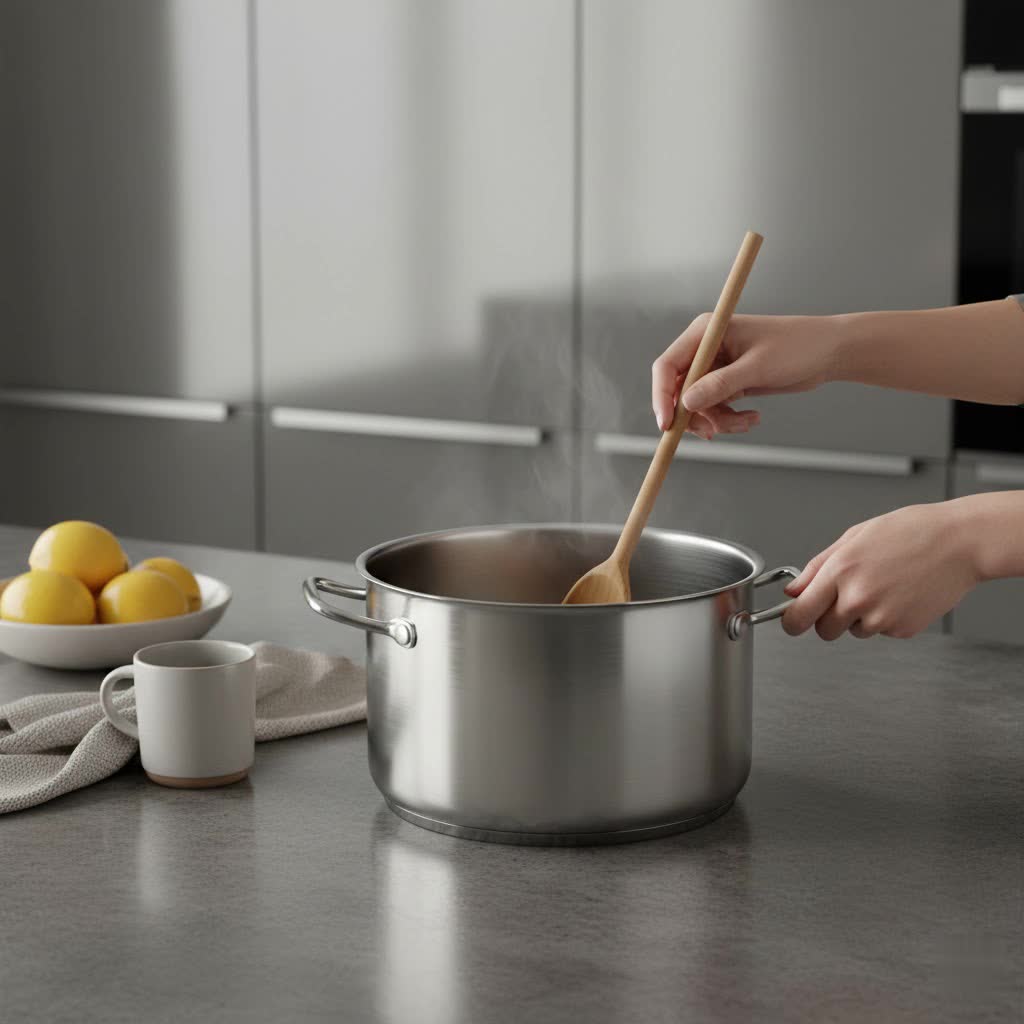
Stainless steel, while excellent for cookware bodies due to its heat distribution properties, is also a conductor of heat. The handles, being an extension of the pot or pan, will naturally absorb and transfer heat from the cooking surface. Several factors contribute to this phenomenon, turning a seemingly cool handle into a potential burn hazard.
Firstly, direct exposure to the heat source is a primary culprit. If a burner’s flame extends beyond the base of the pot and licks up the sides, it will directly heat the handle. Similarly, using an oversized burner can cause the radiant heat to reach the handle more quickly. Secondly, the duration of cooking plays a significant role; the longer a pot sits on heat, especially at higher temperatures, the more time the handle has to accumulate thermal energy. Finally, oven use guarantees extremely hot handles, as the entire piece of cookware is enveloped in high temperatures.
The design of the handle itself also heavily influences how quickly it heats up. Solid, cast stainless steel handles tend to conduct heat faster than those with hollow or tubular designs, which incorporate air pockets for insulation. The length of the handle and how it’s attached to the pot can also impact the rate of heat transfer, with longer handles generally staying cooler for longer due to increased distance from the heat source.
Essential Strategies for Stovetop Cooking
Managing the heat source and utilizing appropriate tools are your first lines of defense against scorching hot stainless steel handles during stovetop cooking.
Optimal Burner and Flame Control
One of the most effective ways to keep handles cool is to meticulously manage your heat source. Always match the burner size to the base of your pot or pan. A burner that is too large will cause flames or heating elements to extend past the base, directly targeting the handle. For gas stoves, ensure the flame never extends beyond the bottom of the pot; it should be concentrated only on the base. Furthermore, cooking at a medium heat setting for most tasks is often sufficient and helps prevent excessive heat buildup in the handles and the overall pan. This simple practice significantly reduces the amount of direct and radiant heat reaching the handle, allowing it to remain cooler for longer.
Protective Gear and Accessories
Even with perfect heat management, some stainless steel handles will eventually get hot. This is where protective gear becomes indispensable. Oven mitts and pot holders are non-negotiable kitchen tools that should always be within arm’s reach. They provide a crucial thermal barrier between your hand and a hot handle, enabling safe lifting, stirring, and transferring of cookware.
Silicone handle covers or sleeves are another excellent solution, specifically designed to slip over stainless steel handles. These heat-resistant accessories create a comfortable, insulated grip, allowing you to handle hot pots and pans without the risk of burns. They are particularly useful for pans used frequently or for extended periods on the stovetop. While extremely practical, remember to check their heat resistance if you intend to use them in the oven, as not all silicone is rated for high oven temperatures.
For quick grabs or minor adjustments, a thick, folded kitchen towel can serve as a temporary heat barrier. However, this should be used with caution, ensuring the towel is dry and sufficiently thick to prevent heat transfer. Always prioritize dedicated protective gear for prolonged handling.
Choosing Cookware with “Stay-Cool” Handle Designs
If you’re in the market for new stainless steel cookware, or simply curious about options, understanding handle design can make a significant difference in your cooking comfort. Manufacturers have developed specific features to help handles stay cooler.
Innovative Handle Features
Many modern stainless steel pots and pans feature hollow-core or tubular stainless steel handles. The principle behind these designs is insulation; the air trapped within the hollow or tubular structure acts as a barrier, slowing down the transfer of heat from the hot pan body to the handle. Some designs even include internal baffles or vents where the handle meets the pan, further disrupting the heat pathway and allowing for air circulation, which helps dissipate heat. These design elements are specifically engineered to keep handles cooler during stovetop cooking. Longer stick handles also generally stay cooler than short helper handles, as they provide greater distance from the primary heat source.
What to Look for When Buying
When selecting new stainless steel cookware, inquire about the handle type. Prioritize designs that explicitly mention “stay-cool” features, hollow construction, or air-cooled properties. Don’t underestimate the importance of comfort and ergonomics in handle design. A well-designed handle not only stays cooler but also feels balanced and secure in your hand, reducing strain and improving control while cooking. Investing in cookware with these thoughtful design elements enhances both safety and the overall cooking experience.
“A well-designed handle isn’t just about comfort; it’s a critical safety feature that can prevent unnecessary kitchen accidents.” – Admin, ReviewHT, Kitchen Appliance Technician
Handling Stainless Steel Cookware in the Oven
While many stainless steel pots and pans are oven-safe, it’s crucial to understand that stainless steel handles will become extremely hot when used in the oven. Unlike stovetop cooking where heat transfer to the handle can be managed, in an oven, the entire piece of cookware is subjected to the same high temperatures. There are no “stay-cool” handles in an oven environment.
Therefore, strict safety protocols are paramount when removing stainless steel cookware from the oven. Always, without exception, use thick, insulated oven mitts or pot holders that cover your hands and wrists adequately. Be mindful of the entire handle and any helper handles, as they will all be scorching hot. Place the hot cookware on a heat-resistant trivet or cutting board to protect your countertops. Never attempt to handle oven-heated stainless steel cookware with bare hands or thin towels, as this is a guaranteed way to sustain severe burns.
Quick Tips for Accidentally Hot Handles
Even the most experienced cooks can occasionally grab a handle that’s hotter than expected. In such moments, knowing how to react safely is crucial. If you accidentally touch a hot handle, immediately pull your hand away. For handling an already hot pot, always reach for the thickest oven mitts or pot holders available. Do not attempt to cool the handle by running it under cold water while the pot is still hot or contains hot food, as this can cause steam burns or even warp the pan. Instead, move the pot to an unused burner or a heat-safe surface and allow it to cool naturally before attempting to clean or store it.
Conclusion
Mastering the art of cooking with stainless steel cookware doesn’t have to come with the risk of burnt hands. By understanding how heat transfers, implementing smart stovetop practices like proper burner control, and consistently using protective gear such as oven mitts and silicone covers, you can significantly mitigate the risk of hot handles. When choosing new cookware, opt for designs with hollow-core or tubular handles that offer enhanced heat dissipation. Remember, safety in the kitchen is paramount, especially when dealing with high temperatures. By adopting these strategies, you’ll ensure a more comfortable, enjoyable, and burn-free culinary journey. What steps will you take to keep your stainless steel handles cool during your next cooking adventure?
Frequently Asked Questions
What kind of stainless steel handles stay cool the longest?
Handles with hollow-core or tubular designs tend to stay cooler for longer periods on the stovetop. These designs incorporate air as an insulator, which slows down heat transfer from the pan body to the handle. Longer handles also typically remain cooler than shorter ones due to increased distance from the heat source.
Are silicone handle covers oven safe?
Most silicone handle covers are designed to be heat-resistant, but their oven safety varies. Always check the manufacturer’s specifications for the maximum temperature rating of your specific silicone covers. While many are safe for stovetop use, they may not withstand high oven temperatures without melting or degrading.
How can I prevent pot handles from getting hot on a gas stove?
To prevent handles from getting hot on a gas stove, ensure the flame does not extend beyond the base of the pot. Use a burner size that matches your cookware, and keep the flame adjusted to stay directly under the pot. Regularly using oven mitts or silicone handle covers provides an additional layer of protection.
Is it normal for stainless steel pot handles to get hot?
Yes, it is normal for stainless steel pot handles to get hot, especially during prolonged cooking or when exposed to direct heat. Stainless steel conducts heat, and without specific “stay-cool” design features like hollow cores, heat will eventually transfer from the pot body to the handle. Always assume handles can be hot and use caution.