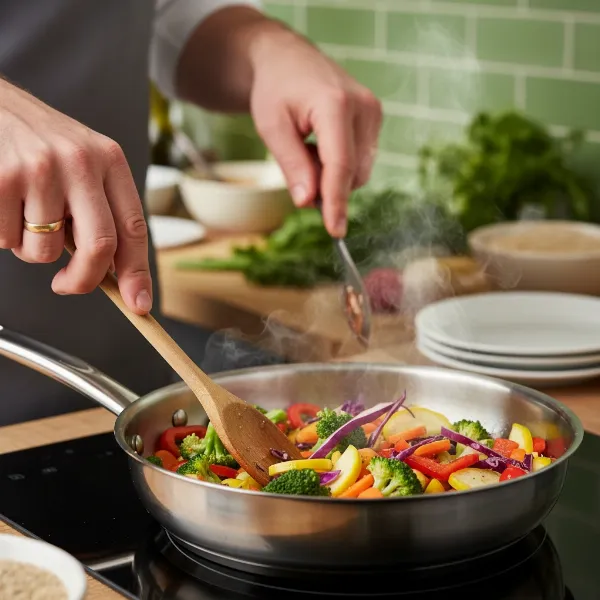
Imagine turning the delicious browned bits left in your pan after cooking into a rich, flavorful sauce that elevates your entire meal. This culinary magic is precisely what a pan sauce achieves, and there’s no better vessel for it than a trusty stainless steel pan. If you’ve ever wondered how chefs effortlessly create those luscious sauces, the secret lies in understanding a few simple techniques.
This guide will walk you through crafting a perfect pan sauce, from developing the crucial “fond” in your stainless steel pan to deglazing it with aromatic liquids and finishing with silky smooth perfection. You’ll discover why stainless steel is the ideal choice for this technique and gain the confidence to create restaurant-quality sauces at home.
The Foundation of Flavor: Understanding Fond and Your Stainless Steel Pan
At the heart of every great pan sauce lies “fond.” This isn’t just burnt residue; fond refers to the intensely flavorful, caramelized bits of protein and sugars that naturally stick to the bottom of your pan after searing meat, poultry, or even vegetables. These browned bits are packed with concentrated flavor, ready to be unleashed into a magnificent sauce.
Stainless steel pans are unparalleled for pan sauce creation because they encourage the formation of this delectable fond. Unlike non-stick surfaces, where food slides off without leaving behind those vital flavor deposits, stainless steel allows these bits to adhere and caramelize. This unique property, combined with stainless steel’s excellent heat distribution, makes it the chef’s choice for deglazing and building complex flavors. Proper preheating is key: heat your pan over medium-high heat until a drop of water dances and evaporates, then add your fat before the food.
Essential Ingredients for a Perfect Pan Sauce
Creating a memorable pan sauce requires a few core components, each playing a vital role in building depth and balance.
- Fond: The absolute star of the show. Without it, you simply don’t have a pan sauce.
- Fat: A small amount of residual fat from your cooking is essential. If needed, a touch of fresh butter or oil can be added to sauté aromatics.
- Aromatics: Finely diced shallots, garlic, or onions provide a fragrant base, adding subtle layers of flavor. Fresh herbs like thyme or rosemary can also be incorporated.
- Deglazing Liquids: This is where you unlock the fond. The choice of liquid dramatically influences the sauce’s character.
- Wine: Dry red or white wine (or even brandy) brings acidity and depth.
- Broth/Stock: Chicken, beef, or vegetable stock offers a savory foundation.
- Vinegars: A small amount of a good quality vinegar (like balsamic or red wine vinegar) can add a bright, tangy note.
- Other options: Beer or cider can lend unique flavor profiles, especially with pork dishes. While water can deglaze, it won’t contribute much flavor itself.
- Finishing Agents: These add richness, gloss, and refine the sauce’s texture. Cold butter is classic, but a touch of cream can also be used.
- Seasoning & Brighteners: Salt, pepper, and a final squeeze of lemon juice or fresh, delicate herbs (like parsley or chives) balance the flavors.
- Optional Thickeners: For a thicker consistency, a cornstarch slurry (cornstarch mixed with cold water) or a small amount of flour can be employed.
Step-by-Step Guide: Crafting Your Stainless Steel Pan Sauce
Follow these steps to transform simple pan drippings into an extraordinary sauce, perfect for pouring over your favorite protein.
1. Sear Your Protein and Develop the Fond
|
Our Picks for the Best Stainless steel pot set in 2026
As an Amazon Associate I earn from qualifying purchases.
|
||
| Num | Product | Action |
|---|---|---|
| 1 | Cuisinart Chef’s Classic 11-Piece Stainless Steel Pots and Pans Set, Cookware Set Compatible with Induction, Electric, Gas Cooktops, Aluminum Core for Even Heat, Cool Grip Handles, Dishwasher Safe |

|
| 2 | 3 Ply Stainless Steel 11-Piece Cookware Set with Lids, Pots and Pans Kitchen Set, Non-Toxic, Induction, Oven, Dishwasher Safe, Professional Chef Quality |
|
| 3 | Cuisinart 17-Piece Stainless Steel Cookware Set, Chef's Classic Steel Collection with Pure Aluminum Core for Quick and Even Heat, Cool Grip Handles, Dishwasher Safe, 77-17N |
|
| 4 | Cuisinart 12-Piece MultiClad Pro Triple Ply Stainless Stainless Steel Pots and Pans Set, Cookware Set Compatible with Induction, Electric, Gas Cooktops, Cool Grip Handles, Oven Safe to 500°F, Silver |
|
| 5 | Stainless Steel Cookware Set - 20 PCS Pots and Pans Set with 3-Ply Stainless Steel Frying Pan, Professional Kitchen Cooking Set, Induction Compatible, Oven & Dishwasher Safe |
|
| 6 | Mueller 17-Piece Stainless Steel Pots and Pans Set – Tri-Ply Ultra-Clad Pro Cookware Set, Induction Ready, Oven Safe, Even-Heat Aluminum Core, Includes Skillets, Saucepans, Dutch Oven, Stockpot |
|
| 7 | Cuisinart 7-Piece Stainless Steel Pots and Pans Set, Cookware Set Compatible with Induction, Electric, Gas Cooktops, Aluminum Core for Quick Even Heat, Cool Grip Handles, Dishwasher Safe, Oven Safe |
|
| 8 | Cook N Home Kitchen Cookware Sets, 12-Piece Basic Stainless Steel Pots and Pans, Silver |
|
| 9 | MICHELANGELO Stainless Steel Saucepan Set with Lids 1QT & 2QT & 3QT, Stainless Steel Sauce Pot Set 6pcs, Induction Saucepans, Nonstick Sauce Pan Set, Dishwasher Safe |
|
| 10 | Hunnycook Stainless Steel Cookware Set - 15 Pieces Pots and Pans Set, Includes 6 Pots and Pans, 6 Lids and 3 Utensils, Fixed Handles, Induction Safe and Dishwasher Safe |
|
Begin by searing your chosen protein or vegetables in your preheated stainless steel pan. Ensure the pan is hot and add a high-smoke-point oil. Don’t overcrowd the pan; allow the food to cook undisturbed until a deep golden-brown crust (the fond) forms on the bottom. Once cooked, remove the food from the pan and set it aside to rest, retaining the precious fond.
2. Remove Excess Fat
Carefully pour off any excess fat from the pan, leaving behind approximately one tablespoon. Too much fat can result in a greasy, broken sauce. If there’s barely any fat left, add a small pat of butter or a drizzle of oil at this stage.
3. Sauté Aromatics (Optional)
If using, add finely minced shallots, garlic, or onions to the pan. Sauté them over medium heat for about 30 seconds to a minute until softened and fragrant, being careful not to let them brown. This step builds an extra layer of aromatic complexity into your sauce.
4. Deglaze with Liquid
Increase the heat to medium-high. Pour about ½ to 1 cup of your chosen deglazing liquid into the hot pan. The liquid will sizzle as it hits the hot surface. Immediately use a wooden spoon, a flat-ended spatula, or a whisk to aggressively scrape up all the browned bits (fond) from the bottom of the pan. Stir continuously until all the flavorful fond has dissolved into the liquid. If using alcohol, allow it to simmer for a minute or two to cook off the raw alcohol taste.
5. Reduce and Concentrate
Allow the liquid to continue simmering over medium heat, uncovered. The goal is to reduce the liquid by about half. This process concentrates the flavors, creating a more intense and complex sauce. Keep a close eye on it, as reduction can happen quickly, especially with smaller amounts of liquid.
6. Enrich and Thicken
Once the sauce has reduced to your desired consistency, lower the heat to low or remove the pan from direct heat entirely. This is crucial for preventing the sauce from breaking. Whisk in 1-2 tablespoons of cold butter, one piece at a time. The cold butter will help emulsify the sauce, making it glossy and velvety smooth. You can also add a splash of cream for extra richness, whisking until fully incorporated. If you prefer an even thicker sauce, create a cornstarch slurry (1 teaspoon cornstarch mixed with 1 teaspoon cold water) and whisk it into the simmering sauce until thickened.
7. Season and Finish
Taste your pan sauce and adjust the seasoning with salt and freshly ground black pepper as needed. For a bright, zesty finish, stir in a small squeeze of fresh lemon juice or a handful of fresh, chopped herbs like parsley, chives, or tarragon just before serving. Adding acid and delicate herbs off the heat preserves their fresh flavor and prevents the sauce from curdling.
Troubleshooting Common Pan Sauce Issues
Even seasoned cooks encounter challenges. Here’s how to navigate common pan sauce problems:
- Sauce is too thin: If your sauce lacks body, simply continue to simmer it gently to reduce further. If time is short, whisk in a cornstarch slurry (equal parts cornstarch and cold water) a little at a time until you reach the desired thickness.
- Sauce is too thick: Accidentally over-reduced? No problem! Add a tablespoon or two of warm broth or water and whisk it in until the sauce reaches your preferred consistency.
- Sauce is greasy or “broken”: This often happens if there was too much residual fat, or if butter/cream was added on too high a heat. Try whisking vigorously off the heat, or add a tiny splash of cold water or broth to help re-emulsify. Prevention is key: remove excess fat initially and add finishing fats off the heat.
- Fond is burnt: If the bits at the bottom of your pan are black and bitter, unfortunately, it’s best to start over. Deglazing burnt fond will only result in a bitter sauce. Ensure your heat isn’t too high during searing to prevent scorching.
Elevate Your Pan Sauce: Creative Variations and Expert Tips
Once you’ve mastered the basic technique, the world of pan sauces opens up to endless creative possibilities. Don’t be afraid to experiment with different flavor combinations to complement your meal.
“A great pan sauce isn’t just about the technique; it’s about respecting the ingredients and tasting at every step. That’s how you truly transform a dish.” – Chef Antoine Dubois, Culinary Instructor
Consider these variations:
- Herbaceous Sauces: Infuse your sauce with fresh herbs like sage for pork, tarragon for chicken or fish, or oregano and basil for a Mediterranean flair. Add them towards the end to preserve their delicate flavors.
- Spicy Kicks: Incorporate a pinch of red pepper flakes with your aromatics for a subtle heat, or finish with a dash of hot sauce.
- Fruity Notes: For pork or poultry, deglaze with apple cider, orange juice, or even a spoonful of fruit preserves for a sweet and savory contrast.
- Umami Boosts: A teaspoon of soy sauce or Worcestershire sauce can add a fantastic depth of umami to beef or mushroom-based sauces.
- Mustard Magic: Whisk in a spoonful of Dijon or whole grain mustard at the finishing stage for a tangy, pungent kick that pairs beautifully with many proteins.
Always remember to taste your sauce as you go. Adjust seasonings, acid, and richness until it perfectly complements the dish it accompanies. Pan sauces are incredibly forgiving, allowing for adjustments until they hit that sweet spot of flavor.
Conclusion
Creating a flavorful pan sauce in a stainless steel pan is a fundamental culinary skill that can dramatically elevate your home cooking. From harnessing the rich “fond” to expertly deglazing and finishing, each step plays a crucial role in developing a sauce that’s both simple to make and impressive to serve. With a little practice, you’ll find yourself confidently whipping up delectable sauces that transform everyday meals into extraordinary dining experiences.
So, next time you sear a piece of meat or poultry, don’t let those flavorful browned bits go to waste. Grab your stainless steel pan and turn them into a masterpiece. What will be the first pan sauce you perfect?
Frequently Asked Questions
Can I make a pan sauce without wine?
Absolutely! While wine is a popular choice for deglazing, you can easily substitute it with chicken, beef, or vegetable broth, beer, cider, or even a small amount of vinegar for a flavorful result.
Why did my pan sauce separate or become greasy?
A pan sauce can separate (or “break”) if there’s too much fat, or if butter or cream is added to a pan that is too hot. To prevent this, ensure you pour off excess fat before deglazing and always whisk in cold butter or cream off the heat or over very low heat.
What’s the best tool for scraping the fond from a stainless steel pan?
A wooden spoon, a flat-ended spatula (silicone or sturdy plastic is ideal), or a whisk are all excellent choices. They are effective at dislodging the fond without damaging your pan’s surface.
Can I use a non-stick pan to make a pan sauce?
It’s not recommended. Non-stick pans are designed to prevent food from sticking, which means you won’t get the flavorful browned bits (fond) that are essential for building a rich pan sauce. Stainless steel or cast iron (with non-acidic liquids) are the preferred choices.
How much deglazing liquid should I use for a pan sauce?
Typically, ½ to 1 cup of liquid is sufficient, depending on the amount of fond and the desired quantity of sauce. The key is to reduce this liquid by about half to concentrate the flavors.