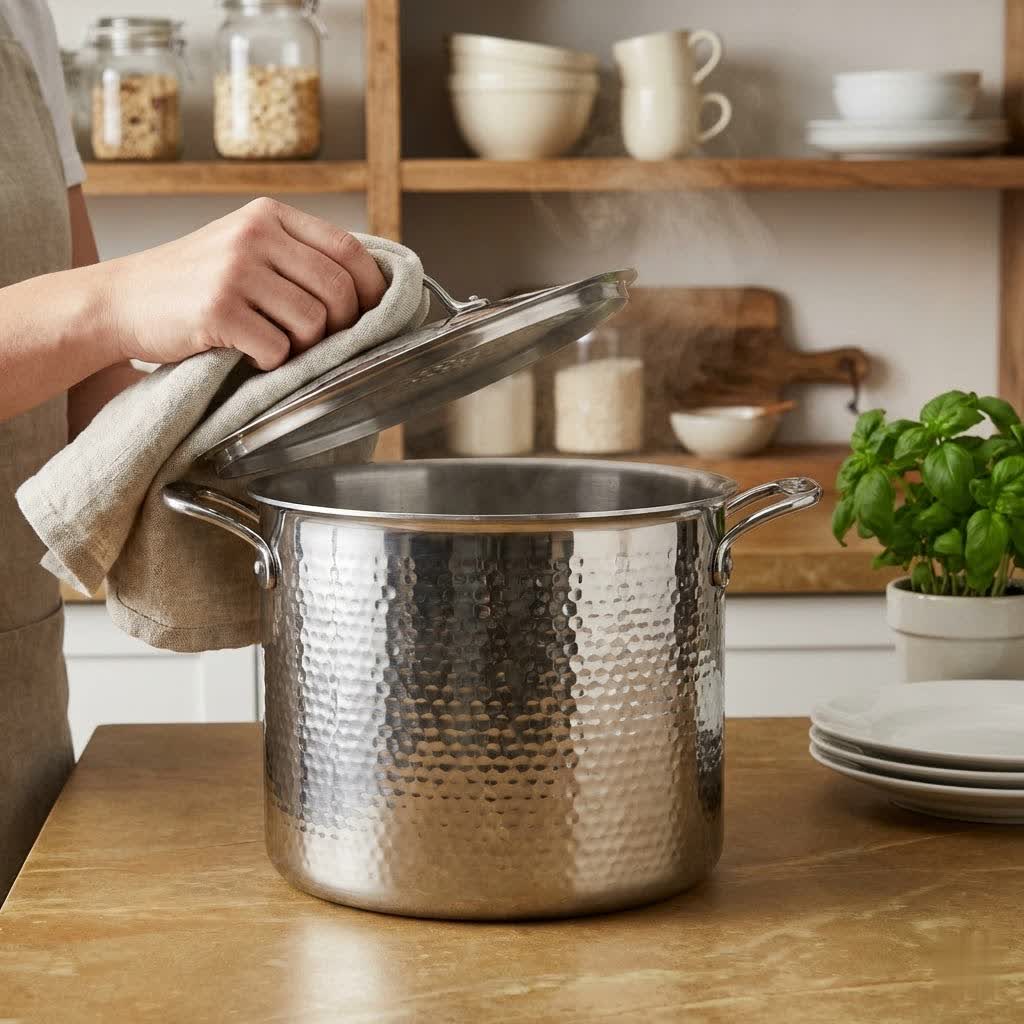
For decades, Bar Keepers Friend (BKF) has been a secret weapon in kitchens, revered for its remarkable ability to rejuvenate tarnished pots, pans, and various cookware surfaces. This powerful cleanser can cut through baked-on food, grease, rust, and stubborn stains, restoring your cherished kitchen essentials to their former glory. However, like any potent cleaning agent, understanding how to use Bar Keepers Friend safely and effectively is paramount to protect both your cookware and yourself. With its active ingredient, oxalic acid, BKF offers unparalleled cleaning prowess when applied correctly, ensuring your culinary tools remain sparkling without damage.
Why Choose Bar Keepers Friend for Your Cookware?
Many home cooks are familiar with the frustration of unsightly stains, heat tint, or stubborn food residue marring their favorite pots and pans. Traditional dish soap often falls short, but Bar Keepers Friend excels where others fail. Its unique formulation is designed to tackle a range of tough issues:
- Powerful Stain Removal: From burnt sugar to stubborn grease and mineral deposits, BKF effectively dissolves and scours away grime that seems impossible to remove.
- Restores Luster: It’s not just about cleaning; it’s about restoring. BKF brings back the original shine to metal cookware, making items look new again.
- Combats Tarnish and Rust: Especially effective on stainless steel and copper, it can remove tarnish and even light rust, extending the lifespan of your cookware.
- Manufacturer Recommended: Many high-end cookware brands, such as All-Clad and Calphalon, explicitly recommend Bar Keepers Friend for cleaning their products, underscoring its trusted efficacy.
- Safe When Used Correctly: Despite its strength, when directions are followed precisely, BKF is safe for use on surfaces that come into contact with food, holding an NSF registration and being found in many commercial kitchens.
Understanding Bar Keepers Friend Products
Bar Keepers Friend offers a versatile range of products, each formulated for specific cleaning needs. While the core cleaning power remains, slight variations make certain versions more suitable for particular tasks:
- Original Powder Cleanser: This is the classic, most versatile form. You activate it with water to create a paste, allowing you to control the consistency and cleaning strength. It’s excellent for deep cleaning and removing tough stains.
- Cookware Cleanser & Polish: Specifically designed for kitchen surfaces and cookware, this version often contains additional polishing agents and boasts increased grease-cutting power (up to 50% more surfactant than the original powder). It’s ideal for restoring the mirror finish to stainless steel and copper.
- Soft Cleanser Liquid: A pre-mixed, creamy liquid that’s gentler than the powder, offering convenience for everyday cleaning without the need to mix. It glides on smoothly and rinses clean, providing a powerful clean with less abrasiveness.
“Bar Keepers Friend is a staple in my kitchen for a reason. Its ability to effortlessly remove years of baked-on grime from stainless steel is unmatched, truly making old pots look new.” – Chef Antoine Dubois, Culinary Instructor
Cookware Types: Do’s and Don’ts
Knowing which materials are safe for Bar Keepers Friend is crucial to prevent damage.
Safe for Use On:
- Stainless Steel Cookware: This is where BKF truly shines, effectively removing heat tint, burnt-on food, and discoloration from stainless steel pots, pans, and even sinks.
- Copper Cookware: Excellent for polishing and removing tarnish from copper pots and decorative pieces, restoring their vibrant gleam.
- Glass and Ceramic Cookware/Bakeware: Safe for cleaning tough, baked-on messes from glass casserole dishes and ceramic baking sheets.
- Enamel-Coated Cast Iron: For Dutch ovens and other enamel-coated cast iron, BKF can remove burnt oil residue and brown stains, but only on the enameled surfaces.
- Porcelain: Works wonders on porcelain sinks and glazed ceramic tiles.
- Chrome and Brass: Ideal for polishing fixtures and restoring shine to brass elements.
|
Our Picks for the Best Stainless steel pot set in 2026
As an Amazon Associate I earn from qualifying purchases.
|
||
| Num | Product | Action |
|---|---|---|
| 1 | Cook N Home Kitchen Cookware Sets, 12-Piece Basic Stainless Steel Pots and Pans, Silver |

|
| 2 | MICHELANGELO Stainless Steel Saucepan Set with Lids 1QT & 2QT & 3QT, Stainless Steel Sauce Pot Set 6pcs, Induction Saucepans, Nonstick Sauce Pan Set, Dishwasher Safe |
|
| 3 | Cuisinart Chef’s Classic 11-Piece Stainless Steel Pots and Pans Set, Cookware Set Compatible with Induction, Electric, Gas Cooktops, Aluminum Core for Even Heat, Cool Grip Handles, Dishwasher Safe |
|
| 4 | Cuisinart 7-Piece Stainless Steel Pots and Pans Set, Cookware Set Compatible with Induction, Electric, Gas Cooktops, Aluminum Core for Quick Even Heat, Cool Grip Handles, Dishwasher Safe, Oven Safe |
|
| 5 | Hunnycook Stainless Steel Cookware Set - 15 Pieces Pots and Pans Set, Includes 6 Pots and Pans, 6 Lids and 3 Utensils, Fixed Handles, Induction Safe and Dishwasher Safe |
|
| 6 | Cuisinart 17-Piece Stainless Steel Cookware Set, Chef's Classic Steel Collection with Pure Aluminum Core for Quick and Even Heat, Cool Grip Handles, Dishwasher Safe, 77-17N |
|
| 7 | 3 Ply Stainless Steel 11-Piece Cookware Set with Lids, Pots and Pans Kitchen Set, Non-Toxic, Induction, Oven, Dishwasher Safe, Professional Chef Quality |
|
| 8 | Cuisinart 12-Piece MultiClad Pro Triple Ply Stainless Stainless Steel Pots and Pans Set, Cookware Set Compatible with Induction, Electric, Gas Cooktops, Cool Grip Handles, Oven Safe to 500°F, Silver |
|
| 9 | Mueller 17-Piece Stainless Steel Pots and Pans Set – Tri-Ply Ultra-Clad Pro Cookware Set, Induction Ready, Oven Safe, Even-Heat Aluminum Core, Includes Skillets, Saucepans, Dutch Oven, Stockpot |
|
| 10 | Stainless Steel Cookware Set - 20 PCS Pots and Pans Set with 3-Ply Stainless Steel Frying Pan, Professional Kitchen Cooking Set, Induction Compatible, Oven & Dishwasher Safe |
|
Avoid Using On:
- Non-Stick Cookware: Absolutely avoid. Bar Keepers Friend’s abrasive nature will damage and scratch non-stick coatings, rendering your pan useless.
- Bare (Unseasoned or Seasoned) Cast Iron: It will strip the seasoning, leaving the pan vulnerable to rust and requiring re-seasoning. While some sources suggest it for extremely rusty, unsalvageable cast iron needing a full restoration, it’s generally not recommended for regular cleaning.
- Marble and Granite: The oxalic acid can etch and dull the natural stone finish.
- Wood: Will scratch and damage wood surfaces.
- Painted Surfaces: Can remove or dull paint.
- Gold and Silver: Generally not recommended, though it is safe for sterling silver. Always test in an inconspicuous area if unsure.
- Delicate or Polished Plastics: Can scratch or dull the surface.
Step-by-Step Guide: How to Use Bar Keepers Friend Safely
Using Bar Keepers Friend correctly involves a few simple, yet critical, steps to ensure optimal results and safety.
-
Preparation is Key:
- Dampen the Surface: Before applying the cleanser, wet the cookware surface you intend to clean. This helps create a paste with the powder and prevents dry scrubbing, which can lead to scratching.
- Protect Your Hands: Always wear kitchen gloves to protect your skin from the oxalic acid, especially if you have sensitive skin or are cleaning multiple items.
- Test in an Inconspicuous Area: For unfamiliar materials or concerns about finish, always apply a small amount to a hidden spot first to check for any adverse reactions.
-
Apply the Cleanser:
- For Powder: Sprinkle a small amount of the powder directly onto the damp stained area.
- For Liquid: Apply a small squeeze of the liquid cleanser onto the damp surface.
- You don’t need much; a little goes a long way.
-
Gently Scrub to Form a Paste:
- Using a damp sponge or soft cloth, gently rub the cleanser onto the stained area. If using powder, the moisture on the surface will turn it into a paste.
- For tougher stains, you may use a non-abrasive scrubber pad, but avoid steel wool or overly abrasive materials on most surfaces to prevent scratching. For exceptionally tarnished pans, some recommend starting with steel wool, then switching to a soft sponge once the worst is removed.
- The goal is to work the product into the stain, not to scrub with excessive force.
-
Rinse Thoroughly and Promptly:
- This is a critical step for safety and effectiveness. After scrubbing, rinse the cookware thoroughly under running water to remove all cleanser residue.
- Do not let the product sit on the surface for more than one minute. Bar Keepers Friend is reactive, and leaving it on too long, especially on delicate surfaces, can lead to etching or discoloration.
- Ensure every trace of the white film is gone.
-
Dry and Polish:
- Once rinsed, dry the cleaned cookware immediately with a soft, clean cloth. This prevents water spots and helps reveal the restored shine.
- For an extra gleam, buff the dry surface with a micro-fiber cloth.
Essential Safety Precautions
While highly effective, Bar Keepers Friend requires careful handling. Adhering to these safety guidelines ensures a safe cleaning experience:
- Always Wear Gloves: As previously mentioned, the oxalic acid in BKF can irritate skin upon prolonged contact. Gloves provide an essential barrier.
- Never Mix with Other Chemicals: This is a paramount safety rule. Do not combine Bar Keepers Friend with other cleaning agents, especially bleach or ammonia. Mixing BKF (an acid) with bleach creates toxic chlorine gas, which can cause severe respiratory problems or even be lethal. If you’ve used another cleaner, rinse the surface thoroughly before applying BKF.
- Ensure Good Ventilation: Use BKF in a well-ventilated area to minimize inhalation of any fine powder particles or fumes, particularly when cleaning larger items.
- Avoid Eye Contact: Be mindful to avoid touching your eyes while using the product. If contact occurs, rinse eyes with water for several minutes and seek medical attention if irritation persists.
- Do Not Ingest: Bar Keepers Friend is for external cleaning surfaces only. Keep it out of reach of children and pets.
- Rinse Thoroughly: Leaving any residue on cookware can lead to potential irritation or etching over time. A complete rinse is non-negotiable.
Tips for Best Results
Unlock the full potential of Bar Keepers Friend with these expert tips:
- Start Small: Begin with a small amount of product. You can always add more if needed, but using too much makes rinsing more difficult.
- Act Quickly: BKF works fast. The recommended maximum dwell time of one minute is often sufficient. Work on small sections at a time if cleaning a large item.
- Choose the Right Tool: While a soft sponge is usually best, for extremely stubborn, baked-on messes on stainless steel, a plastic scrubbing pad or even fine steel wool (used with caution and only on appropriate surfaces like the bottom of stainless steel pans) can be effective. Always test first.
- Regular Maintenance: Don’t wait for heavy buildup. Regular, light cleaning with BKF can prevent severe stains from setting in, making future cleanups quicker and easier.
- Follow Cookware Manufacturer Guidelines: Always defer to your cookware manufacturer’s cleaning recommendations.
Conclusion
Bar Keepers Friend is undeniably a powerhouse cleaner that can revive your cookware and make your kitchen sparkle. Its ability to erase stubborn stains, rust, and tarnish from a variety of materials makes it an indispensable tool for many. However, its effectiveness hinges on responsible use. By understanding which materials are safe, following the clear application steps, and rigorously observing safety precautions—especially wearing gloves, ensuring thorough rinsing, and never mixing it with other cleaners—you can harness the full potential of Bar Keepers Friend. Embrace the shine, extend the life of your favorite pots and pans, and enjoy a cleaner, more vibrant kitchen knowing you’re cleaning safely and smartly. What will you restore to its gleaming best first?
Frequently Asked Questions
Is Bar Keepers Friend safe for stainless steel cookware?
Yes, Bar Keepers Friend is highly recommended and perfectly safe for cleaning stainless steel cookware. It’s excellent for removing heat tint, discoloration, rust, and stubborn food stains, helping to restore the original shine without damaging the metal when used as directed.
Can I use Bar Keepers Friend on non-stick pans?
No, you should never use Bar Keepers Friend on non-stick cookware. The abrasive nature of the cleaner will scratch and degrade the non-stick coating, making the pan ineffective and potentially unsafe for cooking.
How long can I leave Bar Keepers Friend on my cookware?
It is generally recommended not to let Bar Keepers Friend sit on surfaces for more than one minute, especially on delicate materials. For most applications, its cleaning action is very quick, and prolonged contact can lead to etching or discoloration.
Do I need to wear gloves when using Bar Keepers Friend?
Yes, it is strongly advised to wear gloves when using Bar Keepers Friend. The product contains oxalic acid, which can cause skin irritation or dryness upon direct or prolonged contact. Gloves provide essential protection for your hands.
Can Bar Keepers Friend remove burnt-on food?
Absolutely. Bar Keepers Friend is exceptionally effective at removing tough, burnt-on food residues and baked-on grease from appropriate cookware surfaces like stainless steel and glass. Its oxalic acid formula works to dissolve and scour away even the most stubborn messes.