As someone who has advised thousands on selecting and caring for kitchenware, I know the frustration that hard water spots can bring to even the most pristine pot. Those cloudy, chalky white marks aren’t just an eyesore; they can diminish the beauty and perceived cleanliness of your beloved cookware. But fear not, restoring your pots to their gleaming glory is simpler than you might think, often requiring just a few common household ingredients.
What Are Hard Water Spots and Why Do They Form?
Hard water spots, also known as mineral deposits or limescale, are primarily caused by the natural minerals present in your tap water. When water evaporates, it leaves behind a concentration of calcium and magnesium, which are especially prevalent in “hard” water regions. These minerals bond to surfaces, creating those stubborn white or sometimes rainbow-hued streaks on your pots and pans. While generally harmless to your health, a significant buildup can create an environment where bacteria might thrive, and certainly detracts from the aesthetic appeal and performance of your cookware.
Your Go-To Natural Solutions for Hard Water Stains
Dealing with hard water stains doesn’t always require harsh chemicals. Many effective solutions can be found right in your pantry, harnessing the power of mild acids to dissolve mineral deposits.
The Power of White Vinegar
White vinegar is a cleaning superstar due to its acetic acid content, which readily breaks down calcium and magnesium.
- Basic Soaking Method: For light stains, simply fill the pot with equal parts white vinegar and water. Let it soak for 30 minutes to an hour. For more severe buildup, you can use undiluted vinegar or extend the soaking time overnight. Afterward, scrub gently with a soft sponge and rinse thoroughly.
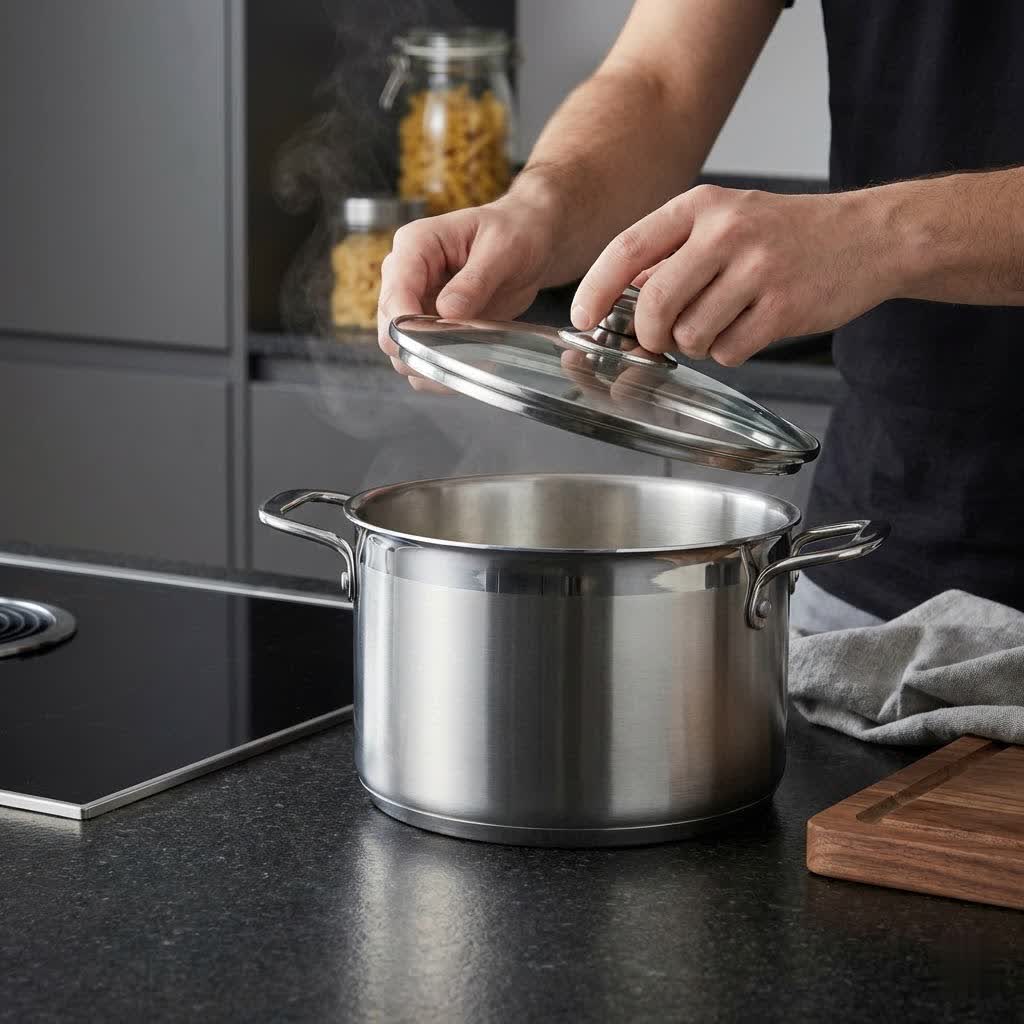
- Boiling Method for Tougher Stains: For persistent spots, combine one part white vinegar with two or three parts water in the affected pot. Bring the solution to a boil on your stovetop for 5 to 10 minutes. The heat accelerates the descaling process. Once cooled, carefully empty the pot, scrub with a non-abrasive sponge, and rinse completely.
- Vinegar and Paper Towel Method: If stains are on the sides of the pot, soak paper towels in white vinegar and press them onto the stained areas. Let them sit for an hour or more, then remove and wipe clean. This allows the vinegar to work on vertical surfaces effectively.
|
Our Picks for the Best Stainless steel pot set in 2026
As an Amazon Associate I earn from qualifying purchases.
|
||
| Num | Product | Action |
|---|---|---|
| 1 | Cuisinart 7-Piece Stainless Steel Pots and Pans Set, Cookware Set Compatible with Induction, Electric, Gas Cooktops, Aluminum Core for Quick Even Heat, Cool Grip Handles, Dishwasher Safe, Oven Safe |

|
| 2 | 3 Ply Stainless Steel 11-Piece Cookware Set with Lids, Pots and Pans Kitchen Set, Non-Toxic, Induction, Oven, Dishwasher Safe, Professional Chef Quality |
|
| 3 | Cuisinart 12-Piece MultiClad Pro Triple Ply Stainless Stainless Steel Pots and Pans Set, Cookware Set Compatible with Induction, Electric, Gas Cooktops, Cool Grip Handles, Oven Safe to 500°F, Silver |
|
| 4 | Hunnycook Stainless Steel Cookware Set - 15 Pieces Pots and Pans Set, Includes 6 Pots and Pans, 6 Lids and 3 Utensils, Fixed Handles, Induction Safe and Dishwasher Safe |
|
| 5 | Cook N Home Kitchen Cookware Sets, 12-Piece Basic Stainless Steel Pots and Pans, Silver |
|
| 6 | Stainless Steel Cookware Set - 20 PCS Pots and Pans Set with 3-Ply Stainless Steel Frying Pan, Professional Kitchen Cooking Set, Induction Compatible, Oven & Dishwasher Safe |
|
| 7 | Cuisinart Chef’s Classic 11-Piece Stainless Steel Pots and Pans Set, Cookware Set Compatible with Induction, Electric, Gas Cooktops, Aluminum Core for Even Heat, Cool Grip Handles, Dishwasher Safe |
|
| 8 | Mueller 17-Piece Stainless Steel Pots and Pans Set – Tri-Ply Ultra-Clad Pro Cookware Set, Induction Ready, Oven Safe, Even-Heat Aluminum Core, Includes Skillets, Saucepans, Dutch Oven, Stockpot |
|
| 9 | Cuisinart 17-Piece Stainless Steel Cookware Set, Chef's Classic Steel Collection with Pure Aluminum Core for Quick and Even Heat, Cool Grip Handles, Dishwasher Safe, 77-17N |
|
| 10 | MICHELANGELO Stainless Steel Saucepan Set with Lids 1QT & 2QT & 3QT, Stainless Steel Sauce Pot Set 6pcs, Induction Saucepans, Nonstick Sauce Pan Set, Dishwasher Safe |
|
“A common misconception is that stainless steel is impervious to all marks. In reality, it’s highly resistant, but minerals in hard water can certainly leave their signature. Vinegar is often the first, and only, solution you’ll need.” – Admin, ReviewHT, Kitchen Appliance Expert
Baking Soda: A Gentle Abrasive
Baking soda (sodium bicarbonate) is a mild abrasive that can work wonders on hard water spots, especially when paired with an acid.
- Baking Soda Paste Method: Mix equal parts baking soda and water to form a thick paste. Apply this paste directly to the hard water spots and let it sit for about 10 minutes. The gentle abrasive action helps lift the mineral deposits. Scrub with a soft sponge or cloth, then rinse.
- Baking Soda and Vinegar Fizz: For a more dynamic attack, apply the baking soda paste first. After 10 minutes, spray the area with your vinegar and water solution. The resulting fizzing action helps loosen stubborn deposits. Let it bubble for another 10 minutes before scrubbing and rinsing clean. It’s important to note that while the fizz is satisfying, baking soda can neutralize vinegar, so for maximum acidic effect, consider using them in sequence rather than simultaneously in a liquid solution.
Lemon Juice or Citric Acid
Similar to vinegar, the citric acid in lemon juice or powdered citric acid is an excellent natural descaler. You can use fresh lemon juice undiluted or mix powdered citric acid with water to create a solution, then follow the soaking or boiling methods as you would with vinegar.
When to Bring in the Heavy Hitters: Commercial Cleaners
While natural remedies are often sufficient, some tough cases might benefit from specialized cleaning products.
- Bar Keeper’s Friend: This widely recommended cleaner contains oxalic acid, which is highly effective at dissolving rust, tarnish, and mineral deposits on stainless steel without damaging the surface. It comes in both powder and liquid forms. Apply it with a damp sponge, scrub gently, then rinse thoroughly. Always test on an inconspicuous area first.
- CLR (Calcium, Lime, Rust Remover): For extremely heavy buildup, CLR is a powerful chemical option. However, use it with extreme caution, ensure adequate ventilation, and follow the manufacturer’s instructions precisely. Rinse cookware thoroughly multiple times to ensure no residue remains before cooking. This is generally a last resort for kitchen items.
Step-by-Step Guide: Removing Stubborn Hard Water Stains
Let’s walk through a general approach using the most common and effective method: the vinegar boil.
- Empty and Rinse: Ensure your pot is empty and rinsed of any food debris.
- Prepare the Solution: Pour a mixture of one part white vinegar to two or three parts water into the pot. Make sure the solution covers all the stained areas.
- Heat Gently (Optional, but recommended for stubborn stains): Place the pot on the stovetop over medium heat. Bring the mixture to a gentle boil. Let it simmer for 5 to 10 minutes, allowing the steam and acid to penetrate the deposits.
- Cool Down: Remove the pot from the heat and let the solution cool completely. This is crucial for safety and allows the acid more time to work.
- Scrub and Rinse: Once cool, discard the solution. Use a soft sponge or microfiber cloth to gently scrub away any remaining loosened mineral deposits. You should find them much easier to remove.
- Final Rinse and Dry: Rinse the pot thoroughly with clean water to remove all traces of vinegar and any dislodged minerals. Immediately dry the pot with a clean, soft towel to prevent new water spots from forming.
Prevention is Key: Keeping Your Pots Spot-Free
An ounce of prevention is worth a pound of cure, especially when it comes to hard water spots.
- Dry Immediately: This is perhaps the single most important tip. After washing, dry your pots and pans immediately with a clean, soft cloth. Don’t let water air-dry on the surface.
- Avoid Salting Water Before Boiling: Adding salt to cold water in a stainless steel pot can lead to pitting, small corrosion marks that look like tiny holes. Wait until the water is boiling before adding salt.
- Wipe Down Regularly: A quick wipe with a damp cloth after each use can prevent buildup from becoming severe.
- Consider a Water Softener: If hard water is a pervasive issue throughout your home, investing in a water softening system can significantly reduce mineral content, benefiting not just your cookware but also appliances and plumbing.
Conclusion
Hard water spots on your pots are a common annoyance, but they don’t have to be a permanent fixture in your kitchen. By understanding what causes these mineral deposits and employing simple, effective cleaning methods like white vinegar, baking soda, or commercial solutions when necessary, you can easily restore your cookware’s brilliance. Remember the golden rule: immediate drying is your best defense against future spots. With a little care and consistency, your pots will continue to shine as brightly as your culinary creations. What’s your secret weapon against hard water stains in the kitchen?
Frequently Asked Questions
Are hard water spots harmful if I cook with them?
Generally, hard water spots (calcium and magnesium deposits) are not harmful to your health or your food. However, prolonged buildup can potentially harbor bacteria, and they can certainly affect the aesthetic appeal and even the cooking performance of your pots over time.
Can I use steel wool or abrasive scrubbers on my pots?
For most pots, especially stainless steel, it’s best to avoid steel wool or highly abrasive scrubbers. These can scratch the surface, making it more susceptible to future staining and damaging the finish. Opt for soft sponges, microfiber cloths, or specialized non-abrasive pads.
How often should I clean my pots for hard water spots?
The frequency depends on the hardness of your water and how often you use and clean your pots. For very hard water, you might notice spots after just a few uses. Regular drying after each wash is the best preventative measure, and addressing spots as soon as they appear will make cleaning easier.
What kind of vinegar should I use for cleaning pots?
Always use distilled white vinegar for cleaning. Flavored vinegars like apple cider vinegar contain sugars that can caramelize or burn onto your pots, creating new stains that are even harder to remove.
Will hard water permanently damage my pots?
Hard water stains typically do not cause permanent damage to the structural integrity of most cookware, especially stainless steel. They are mineral deposits that sit on the surface and can almost always be removed with the right cleaning techniques.