In the fast-paced world of commercial kitchens, where precision, efficiency, and consistency are paramount, the choice of cookware is not merely a preference—it’s a critical investment. Professional-grade pots and pans are the unsung heroes, enduring relentless heat, aggressive scrubbing, and high-volume demands that would quickly break down their consumer counterparts. Selecting the right tools can be the difference between perfectly executed dishes and kitchen chaos, directly impacting food quality, operational efficiency, and overall profitability.
Why Invest in Professional Cookware for Commercial Kitchens?
Commercial kitchens operate under immense pressure, making every piece of equipment a vital component of success. Professional cookware is specifically engineered to meet these rigorous demands, offering benefits far beyond what standard home cookware can provide. It is built to last, designed to perform, and ultimately, crafted to contribute to a kitchen’s seamless operation.
One of the primary reasons to choose professional cookware is its superior durability and longevity. Unlike consumer-grade items, commercial pots and pans are constructed from heavy-gauge materials and feature robust designs that resist warping, denting, and handle loosening, even after years of continuous use and intense cleaning cycles. This inherent resilience translates into significant long-term cost savings, as professional pieces often outlast multiple cheaper alternatives.
Consistent performance and heat control are also non-negotiable in a professional setting. High-quality cookware ensures even heat distribution, eliminating hot spots that can scorch delicate sauces or leave proteins unevenly cooked. This reliability is crucial for chefs who depend on predictable results to maintain consistent dish quality across hundreds of servings. Furthermore, the enhanced efficiency and safety offered by commercial cookware contribute to a more productive kitchen environment, allowing chefs to work confidently and quickly, knowing their tools will perform without fail.
Understanding Commercial Cookware Materials
The material of a pot or pan dictates its cooking properties, durability, and maintenance requirements. Commercial kitchens often utilize a mix of materials, each chosen for its specific strengths.
Stainless Steel: The Versatile Workhorse
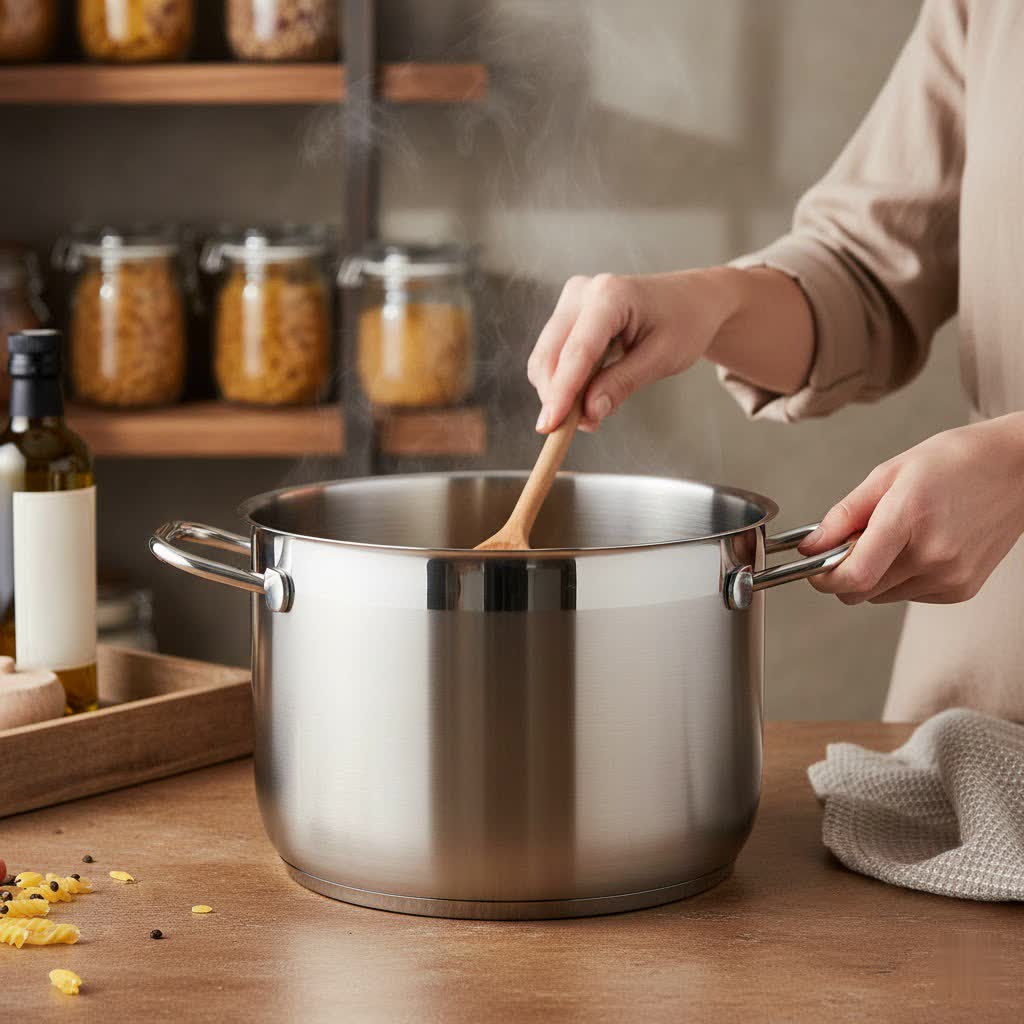
Stainless steel is widely considered the backbone of most professional kitchens, lauded for its exceptional durability, corrosion resistance, and non-reactivity with acidic ingredients. This makes it incredibly versatile, suitable for everything from searing meats to simmering tomato-based sauces without imparting metallic flavors. While stainless steel itself is not the best heat conductor, professional-grade versions often feature multi-clad construction—sandwiching layers of aluminum or copper between stainless steel—to achieve superior and even heat distribution.
“Most restaurant chefs rely on stainless steel cookware for its versatility and durability… The typical professional kitchen uses stainless steel for about 70% of cooking tasks.” – David Miller, Professional Chef, mykitchenhints.com
- Pros: Highly durable, rust and corrosion-resistant, non-reactive, easy to clean (often dishwasher safe), oven-safe, develops excellent fond for sauces.
- Cons: Can be expensive, requires proper preheating to prevent food from sticking.
- Best For: Searing, pan sauces, acidic dishes, and all-around utility.
|
Our Picks for the Best Stainless steel pot set in 2026
As an Amazon Associate I earn from qualifying purchases.
|
||
| Num | Product | Action |
|---|---|---|
| 1 | MICHELANGELO Stainless Steel Saucepan Set with Lids 1QT & 2QT & 3QT, Stainless Steel Sauce Pot Set 6pcs, Induction Saucepans, Nonstick Sauce Pan Set, Dishwasher Safe |

|
| 2 | Cuisinart 12-Piece MultiClad Pro Triple Ply Stainless Stainless Steel Pots and Pans Set, Cookware Set Compatible with Induction, Electric, Gas Cooktops, Cool Grip Handles, Oven Safe to 500°F, Silver |
|
| 3 | Hunnycook Stainless Steel Cookware Set - 15 Pieces Pots and Pans Set, Includes 6 Pots and Pans, 6 Lids and 3 Utensils, Fixed Handles, Induction Safe and Dishwasher Safe |
|
| 4 | Cuisinart 17-Piece Stainless Steel Cookware Set, Chef's Classic Steel Collection with Pure Aluminum Core for Quick and Even Heat, Cool Grip Handles, Dishwasher Safe, 77-17N |
|
| 5 | Mueller 17-Piece Stainless Steel Pots and Pans Set – Tri-Ply Ultra-Clad Pro Cookware Set, Induction Ready, Oven Safe, Even-Heat Aluminum Core, Includes Skillets, Saucepans, Dutch Oven, Stockpot |
|
| 6 | Stainless Steel Cookware Set - 20 PCS Pots and Pans Set with 3-Ply Stainless Steel Frying Pan, Professional Kitchen Cooking Set, Induction Compatible, Oven & Dishwasher Safe |
|
| 7 | Cuisinart Chef’s Classic 11-Piece Stainless Steel Pots and Pans Set, Cookware Set Compatible with Induction, Electric, Gas Cooktops, Aluminum Core for Even Heat, Cool Grip Handles, Dishwasher Safe |
|
| 8 | 3 Ply Stainless Steel 11-Piece Cookware Set with Lids, Pots and Pans Kitchen Set, Non-Toxic, Induction, Oven, Dishwasher Safe, Professional Chef Quality |
|
| 9 | Cook N Home Kitchen Cookware Sets, 12-Piece Basic Stainless Steel Pots and Pans, Silver |
|
| 10 | Cuisinart 7-Piece Stainless Steel Pots and Pans Set, Cookware Set Compatible with Induction, Electric, Gas Cooktops, Aluminum Core for Quick Even Heat, Cool Grip Handles, Dishwasher Safe, Oven Safe |
|
Cast Iron: The Heat Retention Champion
Cast iron cookware is cherished for its unbeatable heat retention and remarkable durability, with many pieces lasting for generations. Once heated, it maintains a consistent temperature, making it ideal for high-temperature searing, roasting, baking, and slow-cooking. With proper seasoning, cast iron develops a natural non-stick surface.
- Pros: Exceptional heat retention, naturally non-stick (when seasoned), virtually indestructible, can go from stovetop to oven.
- Cons: Very heavy, slow to heat up, requires specific seasoning and maintenance to prevent rust, can react with acidic foods if seasoning is not robust.
- Best For: Searing steaks, baking breads, deep-frying, and slow-cooked stews.
Aluminum: The Efficient and Economical Choice
Aluminum is valued for its excellent heat conductivity, lightweight nature, and cost-effectiveness. It heats up quickly and distributes heat efficiently, making it a popular choice in high-volume kitchens where budget and rapid cooking are key. However, untreated aluminum can react with acidic foods, potentially leaching into food and affecting flavor. Hard-anodized aluminum addresses this by providing a durable, non-reactive surface.
- Pros: Excellent heat distribution, lightweight, affordable, heats quickly.
- Cons: Prone to dents and warping, can react with acidic foods (unless hard-anodized).
- Best For: Boiling large quantities, making soups and stews, and general high-volume cooking.
Copper: The Connoisseur’s Choice for Precision
Copper cookware stands out for its unparalleled heat conductivity and responsiveness, allowing for instant temperature adjustments. This makes it the preferred material for delicate tasks like crafting precise sauces, melting chocolate, or making candies, where minute temperature control is critical. Its aesthetic appeal also makes it a favorite in open-kitchen settings. Modern copper cookware is typically lined with stainless steel to eliminate reactivity concerns.
- Pros: Unmatched heat conductivity, extremely responsive to temperature changes, even heating, visually stunning.
- Cons: Very expensive, heavy, requires regular polishing to maintain appearance.
- Best For: Delicate sauces, reductions, pastry work, and any task requiring precise temperature control.
Carbon Steel: The Lighter Alternative
Carbon steel shares many characteristics with cast iron, offering excellent heat retention and developing a natural non-stick surface with seasoning. However, it is lighter and heats faster than cast iron, providing a versatile option for high-heat cooking.
- Pros: Durable, high-heat tolerance, natural non-stick (when seasoned), lighter than cast iron.
- Cons: Requires seasoning and careful maintenance to prevent rust.
- Best For: Stir-frying, searing, frying eggs, and dishes that benefit from quick, high heat.
Non-Stick Coatings: For Delicate Tasks
While not the primary choice for heavy-duty commercial use, non-stick cookware has specific, valuable applications. It excels at cooking delicate items such as eggs, pancakes, and fish, requiring minimal oil and simplifying cleanup. However, conventional non-stick coatings (like PTFE) have a limited lifespan in commercial settings, can be damaged by high temperatures and metal utensils, and prevent the development of fond, which is crucial for flavor building in many dishes. Commercial-grade non-stick options with more durable, PFOA-free ceramic coatings are now available.
- Pros: Extremely easy to clean, requires less oil, perfect for delicate foods.
- Cons: Limited lifespan in commercial use, susceptible to damage from high heat and metal utensils, doesn’t build fond.
- Best For: Eggs, crepes, delicate fish, and low-heat cooking where sticking is a primary concern.
Key Factors to Consider When Selecting Commercial Cookware
Choosing the best professional cookware involves more than just selecting a material; it requires a thoughtful assessment of a kitchen’s specific operational needs and cooking demands.
Compatibility with Heat Sources
Modern commercial kitchens utilize various heat sources: gas, electric, and increasingly, induction cooktops. It’s crucial to select cookware compatible with your existing or planned equipment. Induction cooktops, for example, require ferromagnetic materials (like cast iron or magnetic stainless steel), and induction-ready cookware can heat 50% faster, reducing energy consumption by up to 30%.
Size and Capacity Requirements
Commercial kitchens often prepare large quantities of food, so cookware must be appropriately sized. Consider the typical batch sizes for soups, sauces, braises, and individual portions. Stockpots can range from 8-quart capacities for simmering to massive 80-quart models for high-volume cooking. Having a range of sizes, from small saucepans for reductions to large frying pans for searing multiple proteins, is essential for efficiency.
Construction and Durability
The construction quality significantly impacts durability. Look for heavy-gauge materials that resist warping, especially for items frequently exposed to high heat. Securely riveted or welded handles are a must for safety and longevity, as loose handles are a common failure point in commercial settings. Lids should fit tightly to maintain moisture and heat.
Heat Distribution and Retention
Even heat distribution is vital to prevent hot spots that lead to uneven cooking. Multi-clad stainless steel with aluminum or copper cores, and heavy cast iron, excel in this area. Good heat retention is equally important, especially when searing, to ensure the pan’s temperature doesn’t drop significantly when cold ingredients are added.
Ease of Cleaning and Maintenance
In a busy kitchen, time is money. Cookware that is easy to clean and requires minimal fuss between uses can drastically improve workflow. While some materials like non-stick are easy to clean, their commercial lifespan is limited. Stainless steel and aluminum are generally dishwasher-safe, but proper hand-washing and immediate drying are often recommended to extend life.
Safety and Certifications
For commercial operations, NSF International certification is a key indicator of quality and safety. NSF-certified cookware meets strict public health standards for design, construction, and material safety, ensuring it is easy to clean and won’t harbor bacteria.
Ergonomics and Storage
Consider the weight and balance of the cookware. Heavy pots, while durable, can be cumbersome for staff during long shifts. Features like comfortable, cool-touch handles and stackable designs are practical for efficient handling and maximizing limited storage space.
Budget vs. Longevity
While initial cost is a factor, prioritizing longevity and performance often proves more cost-effective in the long run. A premium pan might have a higher upfront price, but if it lasts a decade, its amortized cost per year is often lower than repeatedly replacing cheaper alternatives. For frequently used items, investing in quality is almost always worth it.
Top Professional Cookware Brands Trusted by Chefs
Certain brands have earned the trust of professional chefs due to their unwavering commitment to quality, performance, and durability.
- All-Clad: Widely regarded as the gold standard for professional stainless steel cookware, All-Clad’s multi-layered construction provides exceptional heat distribution and durability. Chefs in fine-dining restaurants rely on All-Clad for precision cooking.
- Made In: A rising star, Made In has quickly gained popularity for its durable stainless clad and carbon steel cookware, which stands up to the demands of commercial kitchens worldwide. The brand prides itself on real-world chef usage rather than paid endorsements.
- Lodge Cast Iron: For anything cast iron, Lodge is the undisputed leader. Their skillets and Dutch ovens are celebrated for superior heat retention, making them ideal for high-temperature searing and baking in rustic and Southern cuisine kitchens.
- Matfer Bourgeat: This French brand is renowned for its premium copper and carbon steel cookware, offering unmatched heat control. Their saucepans and sauté pans are essential in gourmet and fine-dining kitchens for delicate preparations.
- Vollrath, Winco, and Carlisle: These brands are industry staples, offering a wide range of reliable and durable commercial cookware options in various materials, frequently found in restaurant supply catalogs.
Essential Tips for Commercial Cookware Use and Maintenance
Proper care is not just about cleanliness; it’s about preserving performance and extending the life of your significant investment.
Stainless Steel Care
Allow stainless steel pans to cool slightly before cleaning to prevent warping from thermal shock. For everyday cleaning, hot soapy water is sufficient. For stubborn, cooked-on residue or discoloration, a paste of baking soda and water or a commercial cleaner like Bar Keepers Friend can restore its shine. Always ensure pans are completely dry before storing to prevent water spots.
Cast Iron Care
Cast iron requires a specific seasoning process to build and maintain its natural non-stick surface. After each use, clean the pan while it’s still warm with hot water and a stiff brush (mild soap can be used but avoid harsh detergents). Immediately dry it thoroughly on the stovetop and apply a very thin layer of high-smoke-point oil. If rust appears, scrub it with steel wool, wash, dry, and re-season immediately.
Copper Care
Copper’s beauty and conductivity require consistent attention. Wash with hot water and mild detergent, then dry immediately to prevent water spots. Regular polishing is necessary to maintain its lustrous appearance; a mix of lemon juice and salt or a commercial copper cleaner works well. Keep copper stored in a dry environment to slow down tarnishing.
Non-Stick Care
To maximize the limited lifespan of non-stick cookware in a commercial setting, always use silicone, wooden, or plastic utensils to avoid scratching the coating. Never use cooking sprays, which can leave a sticky residue, and avoid heating an empty non-stick pan on high heat. Hand wash with mild detergent and a soft sponge, and use pan protectors when stacking to prevent damage. Even with perfect care, commercial non-stick pans typically need replacement every 1-2 years.
The Future of Commercial Cookware: Trends to Watch
The commercial kitchen landscape is continuously evolving, and cookware trends reflect this dynamism.
Induction-Ready Technology
With an increasing focus on energy efficiency and safety, induction cooktops are becoming more prevalent. Consequently, induction-compatible cookware, primarily multi-layered stainless steel and cast iron, is becoming an essential investment for modern kitchens.
Sustainability and Eco-Friendly Options
As environmental concerns grow, kitchens are seeking more sustainable practices. While still developing, this trend may influence cookware materials and manufacturing processes towards more eco-friendly options.
Focus on Functional Design
Beyond aesthetics, there’s a strong emphasis on cookware designed for optimal performance, ease of use, and quick cleaning in high-pressure environments. Features that enhance ergonomics and efficiency are prioritized.
Conclusion
Choosing the best professional cookware for a commercial kitchen is a foundational decision that impacts every aspect of culinary operation. From ensuring perfectly cooked dishes to managing long-term costs and maintaining a safe environment, the right pots and pans are indispensable. By carefully considering materials, key features like heat distribution and durability, and reputable brands, restaurateurs and chefs can equip their kitchens with tools that not only meet the rigors of daily use but also elevate the quality and consistency of their cuisine.
Investing in high-quality commercial cookware is not an expense; it is a strategic investment that pays dividends through enhanced efficiency, superior food quality, and remarkable longevity. What are the most critical factors you consider when equipping your commercial kitchen with new cookware?
Frequently Asked Questions
What type of cookware do most professional chefs prefer?
Most professional chefs predominantly prefer stainless steel cookware due to its exceptional versatility, durability, and non-reactivity with acidic ingredients. Cast iron is a close second, highly valued for its superior heat retention, especially for searing and roasting. These materials form the core of most high-performing commercial kitchens.
Why is non-stick cookware generally avoided in high-volume commercial kitchens?
Non-stick cookware is typically limited in high-volume commercial kitchens due to its shorter lifespan, susceptibility to damage from high heat and metal utensils, and its inability to develop fond—the flavorful browned bits essential for creating rich sauces. Chefs reserve non-stick pans for specific delicate tasks like cooking eggs or fish.
How often should commercial cookware be replaced?
The replacement frequency for commercial cookware varies significantly by material and usage intensity. High-quality stainless steel and cast iron, with proper care, can last for decades or even generations. Non-stick cookware, however, generally needs replacement every 1-2 years in commercial settings due to coating wear, even with diligent maintenance.
What does NSF certification mean for professional cookware?
NSF International certification for professional cookware signifies that the product meets stringent public health and safety standards. This includes criteria for material safety, product design, and ease of cleaning, ensuring the cookware is hygienic and suitable for use in commercial foodservice environments to prevent contamination.
Can home cooks benefit from using commercial-grade cookware?
Absolutely. Home cooks can significantly benefit from commercial-grade cookware’s enhanced durability, superior heat distribution, and consistent cooking performance. While heavier and potentially more demanding to maintain than standard home cookware, professional-grade pieces offer more predictable results and exceptional longevity, making them a worthwhile investment for serious home chefs.