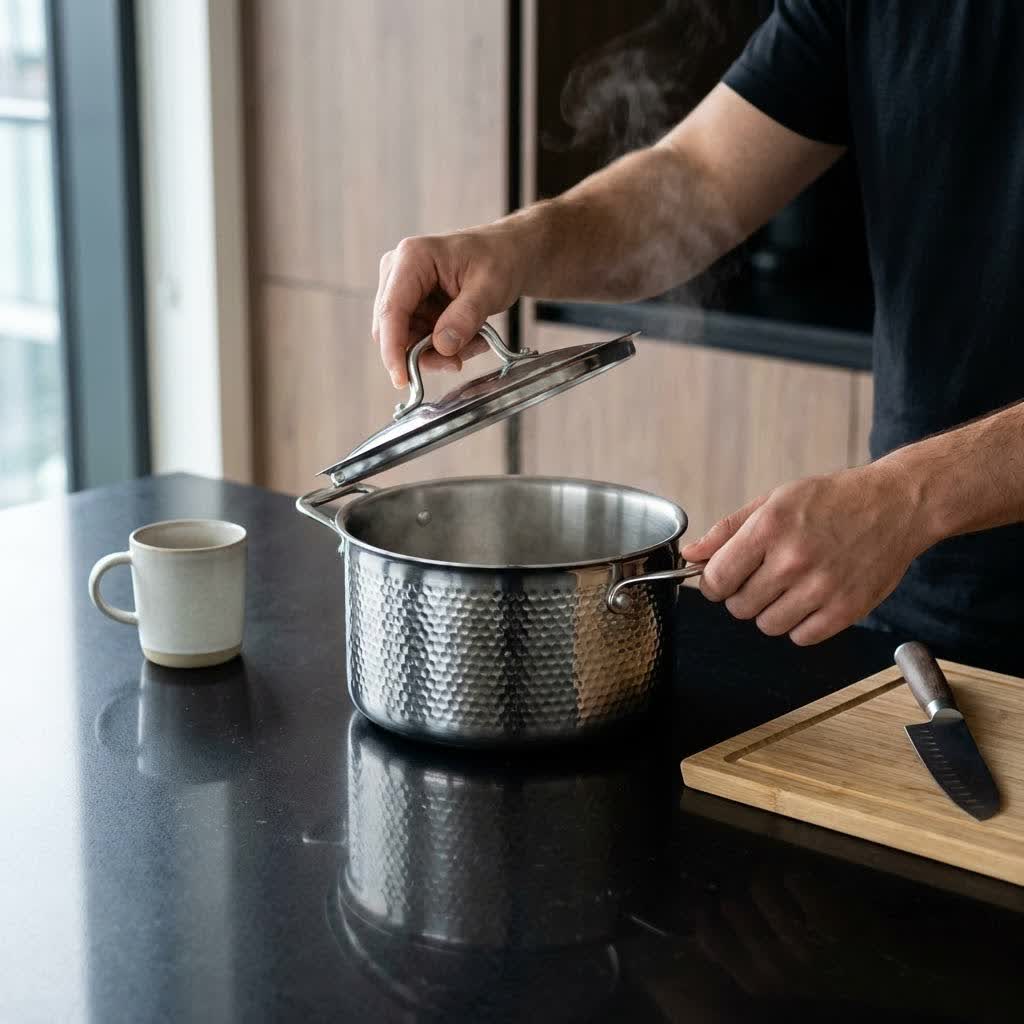
The kitchen is a battlefield of culinary decisions, and one of the most fundamental choices lies in your cookware’s core material. For discerning home chefs and professionals alike, the debate often boils down to aluminum versus copper. Both metals are lauded for their exceptional heat conduction, yet they offer distinct characteristics that profoundly impact cooking speed, precision, and overall performance. Understanding these differences is key to mastering your stovetop and achieving consistently delicious results.

Why Heat Conduction Matters in Cookware
At its heart, cooking is an exercise in heat transfer. Efficient heat conduction in cookware ensures that thermal energy from your stovetop spreads quickly and evenly across the pan’s entire surface. This prevents frustrating hot spots that can scorch food in one area while leaving it undercooked in another. Superior conductivity also means your cookware reacts more effectively to temperature adjustments, giving you greater control over delicate processes like searing, simmering, or reducing sauces. While materials like stainless steel and cast iron are staples, their thermal conductivity pales in comparison to the rapid heat-moving capabilities of aluminum and copper.
The Science of Speed: Copper vs. Aluminum Thermal Conductivity
When it comes to raw thermal conductivity, copper takes the undisputed lead. Copper boasts a thermal conductivity of approximately 386-401 Watts per meter-Kelvin (W/m·K), making it almost twice as efficient as aluminum, which typically measures around 237 W/m·K. To put this into perspective, stainless steel’s conductivity hovers around a mere 16 W/m·K, highlighting just how superior both copper and aluminum are in transferring heat. This significant difference in thermal conductivity means that copper inherently moves heat more rapidly from the heat source to your food.
Real-World Performance: Heating Up and Responsiveness
The theoretical numbers translate directly into practical kitchen performance, particularly concerning how quickly a pan heats up and responds to changes in temperature.
Copper Core: Unmatched Speed and Precision
|
Our Picks for the Best Stainless steel pot set in 2026
As an Amazon Associate I earn from qualifying purchases.
|
||
| Num | Product | Action |
|---|---|---|
| 1 | Cuisinart 12-Piece MultiClad Pro Triple Ply Stainless Stainless Steel Pots and Pans Set, Cookware Set Compatible with Induction, Electric, Gas Cooktops, Cool Grip Handles, Oven Safe to 500°F, Silver |

|
| 2 | Hunnycook Stainless Steel Cookware Set - 15 Pieces Pots and Pans Set, Includes 6 Pots and Pans, 6 Lids and 3 Utensils, Fixed Handles, Induction Safe and Dishwasher Safe |
|
| 3 | MICHELANGELO Stainless Steel Saucepan Set with Lids 1QT & 2QT & 3QT, Stainless Steel Sauce Pot Set 6pcs, Induction Saucepans, Nonstick Sauce Pan Set, Dishwasher Safe |
|
| 4 | Mueller 17-Piece Stainless Steel Pots and Pans Set – Tri-Ply Ultra-Clad Pro Cookware Set, Induction Ready, Oven Safe, Even-Heat Aluminum Core, Includes Skillets, Saucepans, Dutch Oven, Stockpot |
|
| 5 | Cuisinart 7-Piece Stainless Steel Pots and Pans Set, Cookware Set Compatible with Induction, Electric, Gas Cooktops, Aluminum Core for Quick Even Heat, Cool Grip Handles, Dishwasher Safe, Oven Safe |
|
| 6 | Cuisinart 17-Piece Stainless Steel Cookware Set, Chef's Classic Steel Collection with Pure Aluminum Core for Quick and Even Heat, Cool Grip Handles, Dishwasher Safe, 77-17N |
|
| 7 | 3 Ply Stainless Steel 11-Piece Cookware Set with Lids, Pots and Pans Kitchen Set, Non-Toxic, Induction, Oven, Dishwasher Safe, Professional Chef Quality |
|
| 8 | Cook N Home Kitchen Cookware Sets, 12-Piece Basic Stainless Steel Pots and Pans, Silver |
|
| 9 | Cuisinart Chef’s Classic 11-Piece Stainless Steel Pots and Pans Set, Cookware Set Compatible with Induction, Electric, Gas Cooktops, Aluminum Core for Even Heat, Cool Grip Handles, Dishwasher Safe |
|
| 10 | Stainless Steel Cookware Set - 20 PCS Pots and Pans Set with 3-Ply Stainless Steel Frying Pan, Professional Kitchen Cooking Set, Induction Compatible, Oven & Dishwasher Safe |
|
Cookware with a copper core heats up with remarkable speed, often described as “virtually instant.” This rapid thermal response is copper’s superpower, allowing for almost immediate adjustments to the pan’s temperature when you alter the burner setting. This “surgical control” is invaluable for tasks demanding pinpoint accuracy, such as crafting delicate sauces like hollandaise, tempering chocolate, or achieving the perfect caramelization without scorching. Infrared imaging studies show that copper-clad pans can achieve near-perfect heat uniformity across their surface in about 60 seconds, providing chefs with unparalleled responsiveness.
“Copper’s lightning-fast responsiveness is its superpower. Turn down the heat, and a copper pan cools almost immediately. This is a dream for delicate tasks like reducing a sauce to perfection or creating an emulsified sauce like hollandaise.”
Aluminum Core: Quick, Even, and Steady
While aluminum doesn’t match copper’s instantaneous responsiveness, it still heats up very quickly and effectively. Aluminum-core pans take slightly longer to reach the desired temperature uniformly across the entire cooking surface, typically stabilizing within 90-120 seconds. However, aluminum excels at distributing heat very evenly, virtually eliminating hot spots. This characteristic makes it more forgiving for everyday cooking tasks where steady, predictable heat is desired, such as searing meats or simmering soups. Its ability to retain heat a little longer than copper can be an advantage for maintaining consistent temperatures during longer cooking processes.
Beyond Speed: Heat Distribution and Evenness
Beyond just how quickly a pan heats up, how evenly that heat spreads is equally critical for culinary success. Both copper and aluminum are champions in this regard, especially when integrated into modern clad cookware.
In multi-ply construction, these highly conductive metals are bonded between layers of non-reactive materials like stainless steel. This design ensures that heat isn’t just concentrated at the base but travels efficiently up the sides of the pan, providing a uniform cooking surface. While aluminum might show a few minor hot spots initially, both materials ultimately deliver excellent heat distribution, preventing uneven cooking and burnt patches. The goal is a consistent temperature throughout the pan, and both core materials achieve this far better than single-ply stainless steel.
Cookware Construction: The Core’s Role
Pure copper or aluminum pans are rarely found in modern kitchens due to issues like reactivity with certain foods and durability concerns. Instead, manufacturers leverage the strengths of these metals by incorporating them into multi-ply, or “clad,” cookware.
-
Copper Core Cookware: High-end copper core cookware typically features a 5-ply construction: an exterior layer of stainless steel, followed by aluminum, then a thick core of pure copper, another layer of aluminum, and finally, a stainless steel interior cooking surface. This intricate layering maximizes copper’s responsiveness while providing a durable, non-reactive cooking surface and induction compatibility (if the outermost layer is magnetic stainless steel). The distinctive exposed copper band often seen on such cookware is not just decorative but signifies its premium construction.
-
Aluminum Core Cookware: Aluminum core cookware is most commonly found in a 3-ply construction: a thick layer of aluminum sandwiched between two durable layers of stainless steel. This design offers an excellent balance of efficient heat transfer, durability, and affordability. For induction compatibility, the outermost stainless steel layer must be magnetic. Some more advanced aluminum-core lines may feature 5-ply construction, similar to copper core, but with a thicker aluminum layer in the center instead of copper.
Practical Considerations for Home Chefs
While performance is paramount, other factors also play a significant role in choosing between aluminum and copper core cookware.
- Cost: Copper core cookware is substantially more expensive, often costing double or even triple that of comparable aluminum core sets. This premium price reflects the cost of raw copper and the complex manufacturing process.
- Weight: Copper is a denser metal than aluminum, making copper core pans noticeably heavier. For some cooks, especially those handling larger pots, the weight difference can affect maneuverability.
- Durability and Maintenance: Both types of clad cookware are built to last a lifetime. However, copper’s aesthetic appeal comes with maintenance. The exposed copper band on many copper core pans will naturally tarnish over time and requires regular polishing with a specialized cleaner to maintain its lustrous shine. Aluminum core cookware, often with a brushed stainless steel finish, is much lower maintenance, requiring only standard washing.
- Reactivity and Safety: Pure copper and untreated aluminum can react with acidic foods, potentially imparting metallic flavors or leaching metals. This is why both are almost always clad with non-reactive materials like stainless steel. For aluminum, anodization creates a hard, non-porous, non-reactive surface that prevents leaching and enhances durability, making it a safe choice.
- Induction Compatibility: Both aluminum and copper core cookware can be induction compatible, provided they incorporate an outer layer of magnetic stainless steel. This ensures the cookware can interact with the electromagnetic fields of an induction cooktop.
Which Core is Right for Your Kitchen?
Choosing between aluminum core and copper core cookware ultimately depends on your cooking style, priorities, and budget.
-
Choose Copper Core if: You prioritize ultimate precision and rapid temperature control. You frequently prepare delicate sauces, temper chocolate, or perform tasks requiring immediate heat adjustments. You’re willing to invest in premium cookware and commit to its aesthetic maintenance. Copper core is often favored by professional chefs and serious culinary enthusiasts.
-
Choose Aluminum Core if: You seek excellent heat distribution and quick heating at a more accessible price point. You appreciate cookware that is forgiving and maintains stable temperatures well for everyday cooking tasks like searing, sautéing, and simmering. Aluminum core offers exceptional value and versatile performance for most home cooks.
Conclusion
The debate of aluminum core vs. copper core in cookware isn’t about one being universally “better,” but rather which material best suits specific culinary demands. Copper core cookware excels in its unparalleled speed and responsiveness, offering an immediate reaction to temperature changes that is ideal for precision cooking. Aluminum core cookware, while slightly less responsive, provides fast, incredibly even heating and excellent heat retention at a more affordable price. Both metals are vastly superior to many other cookware materials in heat conductivity, transforming how efficiently and effectively you cook.
Ultimately, whether you lean towards the surgical precision of copper or the reliable versatility of aluminum, investing in quality clad cookware with either of these conductive cores will elevate your cooking experience significantly. Consider your cooking habits and budget, and choose the core that empowers your culinary creativity. What kind of dishes do you typically enjoy preparing, and how might the nuances of aluminum or copper core cookware enhance your results?
Frequently Asked Questions
Is copper cookware always better than aluminum?
Not necessarily. While copper boasts superior thermal conductivity and responsiveness, making it excellent for precise temperature control, aluminum still provides very fast and exceptionally even heating at a lower cost and lighter weight. The “better” choice depends on your specific cooking needs and priorities.
Does a thicker core make a difference in performance?
Yes, generally a thicker core, whether aluminum or copper, enhances heat distribution and retention. A thicker core helps to spread heat more uniformly across the cooking surface, reducing hot spots and providing more stable temperatures, especially crucial for larger pans.
Is aluminum cookware safe to use?
Modern aluminum cookware, particularly anodized aluminum or aluminum clad with stainless steel, is considered safe. Anodization creates a non-reactive, hard surface that prevents aluminum from leaching into food. Similarly, stainless steel linings ensure food does not come into direct contact with the aluminum core.
Can I use copper or aluminum core cookware on induction stovetops?
Yes, both copper and aluminum core cookware can be used on induction stovetops, provided they have an outer layer made of a magnetic material, typically ferromagnetic stainless steel. This magnetic base is essential for the cookware to interact with the induction hob’s electromagnetic field and heat up.