There’s a unique frustration that comes with a perfectly good stainless steel pot, suddenly marred by stubborn, burnt-on food. One moment of distraction or slightly too high heat, and your gleaming cookware transforms into a carbonized challenge. But before you banish that pot to the back of the cupboard or consider replacing it, know this: reviving a burnt stainless steel pot is often quicker and easier than you might imagine. With a few common household ingredients and the right techniques, you can restore its shine and functionality in a matter of minutes, not hours.
Why Stainless Steel? Benefits & Common Pitfalls
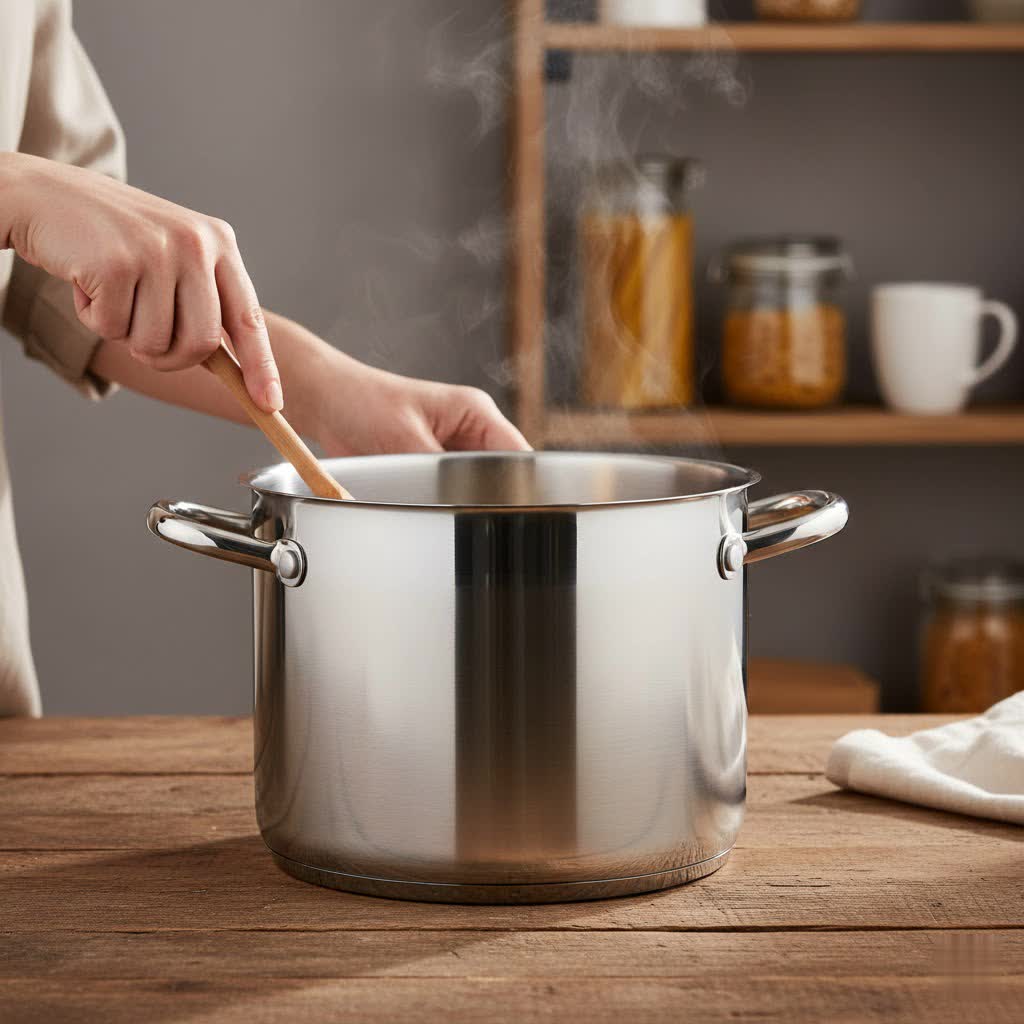
Stainless steel pots are a kitchen favorite for many compelling reasons. They are renowned for their exceptional durability, resisting rust, corrosion, and everyday wear and tear, promising years of reliable service. Their excellent heat retention and even distribution capabilities make them ideal for a wide range of cooking tasks, from searing and sautéing to simmering delicate sauces. This robust construction makes them a worthwhile investment for any home chef.
However, even the best stainless steel cookware isn’t immune to burning. The primary culprits are usually excessive heat or distraction during cooking. When food sticks and carbonizes to the surface, it creates a formidable layer that typical dish soap and scrubbing can’t conquer. While disheartening, understanding why it happens is the first step toward a quick and effective cleanup. Fortunately, you don’t need harsh chemicals or abrasive tools to reverse the damage.
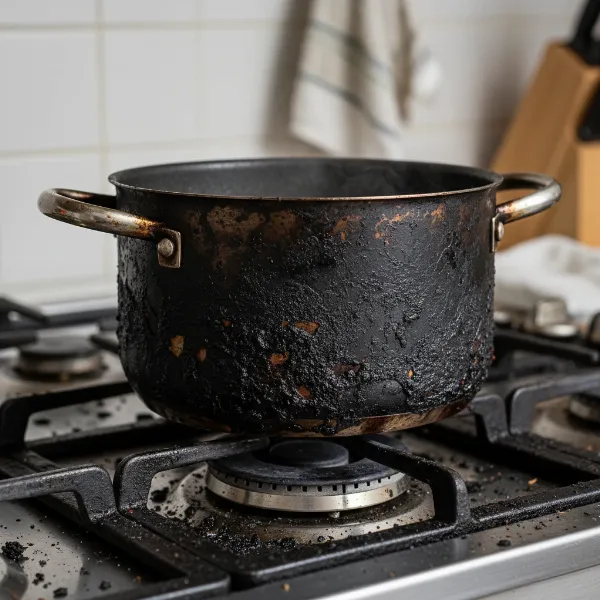 Burnt stainless steel pot on a stove with charred food, showing the challenge of cleaning.
Your Essential Burnt Pot Cleaning Toolkit
Before diving into cleaning, gather your simple arsenal. Many of these items are likely already in your pantry or under your sink, proving that effective cleaning doesn’t require specialized, expensive products.
Your toolkit should include:
- Baking Soda: A mild abrasive and alkaline agent that helps lift burnt residue.
- White Vinegar: An acid that reacts with baking soda to create a fizzing action, further loosening stains.
- Dish Soap: For initial cleaning and final wash.
- Lemon/Salt: Lemon’s acidity combined with salt’s gentle abrasion can tackle stains and polish.
- Non-abrasive Sponge or Nylon Brush: Essential for scrubbing without scratching the stainless steel surface.
- Plastic Scraper or Wooden Spatula: Useful for gently dislodging larger burnt pieces.
Crucial Warning: Always avoid abrasive cleaners, steel wool, or copper brushes. These can permanently scratch and damage the smooth finish of your stainless steel, making it more prone to sticking and discoloration in the future.
Quick & Effective Methods to Restore Your Pots
Armed with your gentle cleaning agents, you can choose from several highly effective methods, many delivering results in minutes rather than hours. Always ensure your pot has cooled completely before beginning any cleaning process.
Method 1: The Baking Soda Power Paste (No Hard Scrubbing)
|
Our Picks for the Best Stainless steel pot set in 2026
As an Amazon Associate I earn from qualifying purchases.
|
||
| Num | Product | Action |
|---|---|---|
| 1 | Stainless Steel Cookware Set - 20 PCS Pots and Pans Set with 3-Ply Stainless Steel Frying Pan, Professional Kitchen Cooking Set, Induction Compatible, Oven & Dishwasher Safe |

|
| 2 | Cook N Home Kitchen Cookware Sets, 12-Piece Basic Stainless Steel Pots and Pans, Silver |
|
| 3 | Cuisinart 12-Piece MultiClad Pro Triple Ply Stainless Stainless Steel Pots and Pans Set, Cookware Set Compatible with Induction, Electric, Gas Cooktops, Cool Grip Handles, Oven Safe to 500°F, Silver |
|
| 4 | MICHELANGELO Stainless Steel Saucepan Set with Lids 1QT & 2QT & 3QT, Stainless Steel Sauce Pot Set 6pcs, Induction Saucepans, Nonstick Sauce Pan Set, Dishwasher Safe |
|
| 5 | Cuisinart 17-Piece Stainless Steel Cookware Set, Chef's Classic Steel Collection with Pure Aluminum Core for Quick and Even Heat, Cool Grip Handles, Dishwasher Safe, 77-17N |
|
| 6 | Mueller 17-Piece Stainless Steel Pots and Pans Set – Tri-Ply Ultra-Clad Pro Cookware Set, Induction Ready, Oven Safe, Even-Heat Aluminum Core, Includes Skillets, Saucepans, Dutch Oven, Stockpot |
|
| 7 | Hunnycook Stainless Steel Cookware Set - 15 Pieces Pots and Pans Set, Includes 6 Pots and Pans, 6 Lids and 3 Utensils, Fixed Handles, Induction Safe and Dishwasher Safe |
|
| 8 | Cuisinart 7-Piece Stainless Steel Pots and Pans Set, Cookware Set Compatible with Induction, Electric, Gas Cooktops, Aluminum Core for Quick Even Heat, Cool Grip Handles, Dishwasher Safe, Oven Safe |
|
| 9 | 3 Ply Stainless Steel 11-Piece Cookware Set with Lids, Pots and Pans Kitchen Set, Non-Toxic, Induction, Oven, Dishwasher Safe, Professional Chef Quality |
|
| 10 | Cuisinart Chef’s Classic 11-Piece Stainless Steel Pots and Pans Set, Cookware Set Compatible with Induction, Electric, Gas Cooktops, Aluminum Core for Even Heat, Cool Grip Handles, Dishwasher Safe |
|
This is often the go-to for moderately burnt pots, requiring minimal effort and no vigorous scrubbing.
- Remove Loose Debris: Scrape out any large, loose burnt food particles with a plastic scraper or wooden spatula.
- Create the Paste: Mix 3 parts baking soda with 1 part water to form a thick, toothpaste-like paste. For a full pot bottom, about 1 cup of baking soda and 1/3 cup of water usually suffices.
- Apply and Wait: Liberally apply the paste to the burnt areas, ensuring it’s thick enough to coat fully.
- Soak: Let the paste sit on the scorched areas for at least 15 to 20 minutes. For tougher stains, you can let it sit for a few hours or even overnight.
- Gentle Scrub & Rinse: After soaking, use a non-abrasive sponge or nylon brush to gently scrub the loosened burnt food away. The residue should come off with relative ease. Rinse thoroughly with warm water and dry.
Method 2: The Fizzing Action of Baking Soda & Vinegar
For a more heavy-duty cleaning challenge, the chemical reaction between baking soda and vinegar works wonders, breaking down stubborn, charred food.
- Initial Cleaning: Remove any loose burnt food from the pan.
- Add Vinegar: Pour enough white vinegar into the pot to cover the burnt area by about half an inch.
- Boil the Vinegar: Place the pot on the stovetop and bring the vinegar to a gentle boil for a few minutes.
- Add Baking Soda: Remove the pot from the heat and carefully add 1 cup of baking soda. This will create a vigorous fizzing reaction, so doing this in the sink is advisable.
- Let it Work: Allow the mixture to foam and fizz until it dies down, usually about 15-20 minutes. For deeply set burns, you can let it soak longer or until the solution is cool enough to handle.
- Scrub and Rinse: Discard the liquid. Use a nylon scrub brush or scour sponge, along with a little dish soap, to scrub away the remaining burnt residue. Rinse clean and dry.
Method 3: Simple Boiling Water for Lighter Scorch Marks
Sometimes, a simple approach is all you need for minor burns or recent scorch marks.
- Fill with Water: Add enough water to your pot to cover the burnt or baked-on food.
- Boil: Place the pot on the stovetop and bring the water to a boil for about 5 to 7 minutes. The heat helps to loosen the stuck-on food.
- Cool & Scrape: Pour out the hot water, and once the cookware has cooled enough to handle, use a plastic scraper or wooden spatula to gently scrape off the loosened food residue.
- Final Clean: Wash as usual with dish soap and water, then rinse and dry.
Method 4: Lemon & Salt for Natural De-Burning & Shine
Lemons are excellent for naturally cleaning and shining stainless steel, and when combined with salt, they can tackle burnt spots. This method is also particularly effective for removing those iridescent “rainbow” stains that sometimes appear on overheated stainless steel.
- Prepare the Pot: Remove as much loose food debris as possible.
- Apply Salt & Lemon: Sprinkle a generous amount of salt (about 1/4 cup) over the burnt area. Cut a lemon in half and use the flesh side to scour the pan with the salt, squeezing gently to release juice.
- Let Sit: Allow the lemon and salt mixture to work for 10 to 15 minutes. The acidity of the lemon helps break down food particles, while the salt acts as a mild abrasive.
- Scrub & Rinse: Scrub with a non-abrasive sponge. Rinse thoroughly and dry.
Method 5: Specialized Stainless Steel Cleaners (When Needed)
For truly tough, set-in stains that resist homemade solutions, a commercial stainless steel cleaner can be an effective last resort.
- Apply Cleaner: Follow the product instructions, typically applying a small amount to the burnt area. Many cleaners suggest adding a bit of water to form a paste.
- Gentle Scrub: Using a soft cloth or a non-abrasive sponge, gently scrub the area in the direction of the grain (if visible) to avoid streaking.
- Rinse & Polish: Rinse thoroughly and dry immediately with a clean cloth to prevent water spots and enhance shine. Always use safety precautions when handling commercial cleaners, such as wearing gloves and ensuring good ventilation.
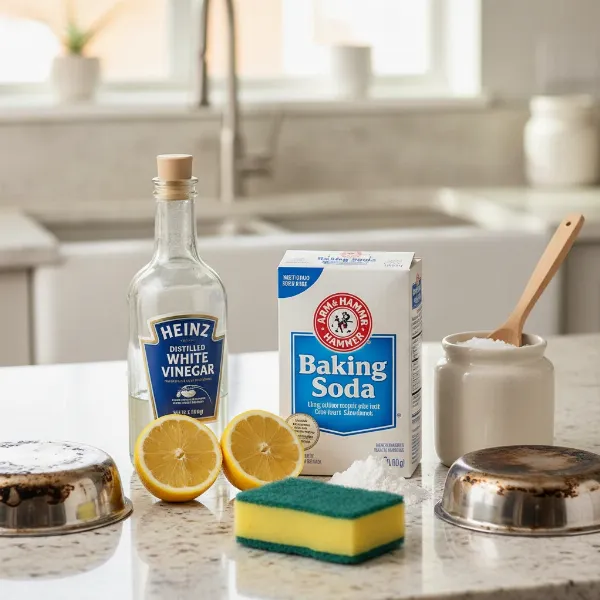 Various household ingredients for cleaning burnt stainless steel pots arranged on a kitchen counter.
Dealing with Stubborn Burnt-On Messes
Even with the best methods, some exceptionally stubborn burns may require a bit more persistence.
- Soak Overnight: For very heavily burnt pots, after applying a baking soda paste or a baking soda and water mixture, allow it to sit for several hours or even overnight. This extended contact time can significantly loosen the charred residue.
- Repeat the Process: Don’t be afraid to repeat your chosen method. Sometimes, a second or third application and soak can break down what a single attempt couldn’t.
- Gentle Scraping: If large, hardened chunks remain, use a plastic scraper or wooden spatula to gently lift them after a good soak, not before. Avoid metal tools that can scratch the surface.
Keeping Your Stainless Steel Sparkle: Prevention is Key
The best way to deal with burnt stainless steel is to prevent it in the first place. A few simple habits can keep your pots pristine.
- Master Heat Control: Stainless steel heats very efficiently. Start with medium or medium-low heat and preheat your pan before adding oil or food. This prevents uneven heating that can cause sticking and burning.
- Don’t Rush: Allow food to release naturally from the pan. If it’s sticking, it might need more time to cook or the heat might be too high.
- Use Proper Utensils: Opt for silicone, wooden, or plastic utensils. Metal utensils can scratch the surface, creating areas where food is more likely to stick and burn.
- Embrace Deglazing: After cooking, while the pan is still warm, add a small amount of liquid (water, broth, wine) to lift any stuck-on bits. This helps prevent them from becoming burnt-on stains later.
- The Tomato Sauce Trick: If your stainless steel develops a “rainbow” discoloration from overheating, simply cook a batch of tomato sauce in it. The acidity can often restore the pan’s original sheen.
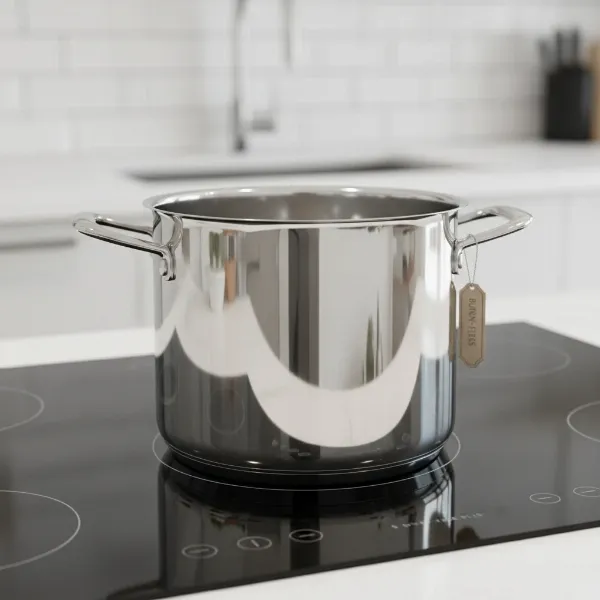 A sparkling clean stainless steel pot on a modern kitchen stove, emphasizing prevention and care.
Conclusion
A burnt stainless steel pot doesn’t have to be a lost cause. With readily available ingredients like baking soda, vinegar, and lemon, you possess the power to tackle even the most stubborn scorch marks. The key lies in choosing the right method, allowing enough time for the ingredients to work their magic, and always opting for non-abrasive tools to protect your cookware’s finish. By integrating these quick and effective cleaning hacks into your routine, and adopting simple preventive measures, you can ensure your beloved stainless steel pots remain a shining, functional asset in your kitchen for years to come.
What’s your go-to quick fix when a stainless steel pot gets burnt?
Frequently Asked Questions
Can I use steel wool on stainless steel to clean burnt food?
No, absolutely avoid using steel wool or other highly abrasive scrubbers on stainless steel. They can cause permanent scratches, dull the finish, and create microscopic grooves where food can stick more easily in the future, making the problem worse over time. Always opt for softer alternatives like nylon brushes, sponges, or plastic scrapers.
How long should I typically let the cleaning solutions sit?
The ideal soaking time varies by method and the severity of the burn. For baking soda pastes, 15-20 minutes is a good starting point for lighter burns, while tougher stains might benefit from several hours or even an overnight soak. For vinegar and baking soda methods, letting the fizzing reaction complete and then cooling is usually sufficient, around 15-20 minutes.
What causes the rainbow discoloration on stainless steel, and how can I fix it?
The rainbow discoloration, often called “heat tint” or “bluing,” is caused by overheating your stainless steel pot. It’s a harmless oxidation layer that can be removed. Acidity is key to removing it; try scrubbing with a lemon half and salt, or cooking an acidic food like tomato sauce or vinegar in the pot.