Even with its impressive reputation for durability and shine, stainless steel isn’t entirely immune to the forces of nature. That dreaded sight of a rust spot or tiny pits can quickly diminish the appeal and longevity of your prized stainless steel items, from kitchen cookware to outdoor grills. But what causes this, and more importantly, how can you stop it? Understanding the root causes of pitting and rust, and implementing proactive care, is crucial for preserving the integrity and aesthetic of your stainless steel. This guide will arm you with the knowledge and practical steps to effectively combat corrosion and keep your stainless steel looking pristine for years to come.
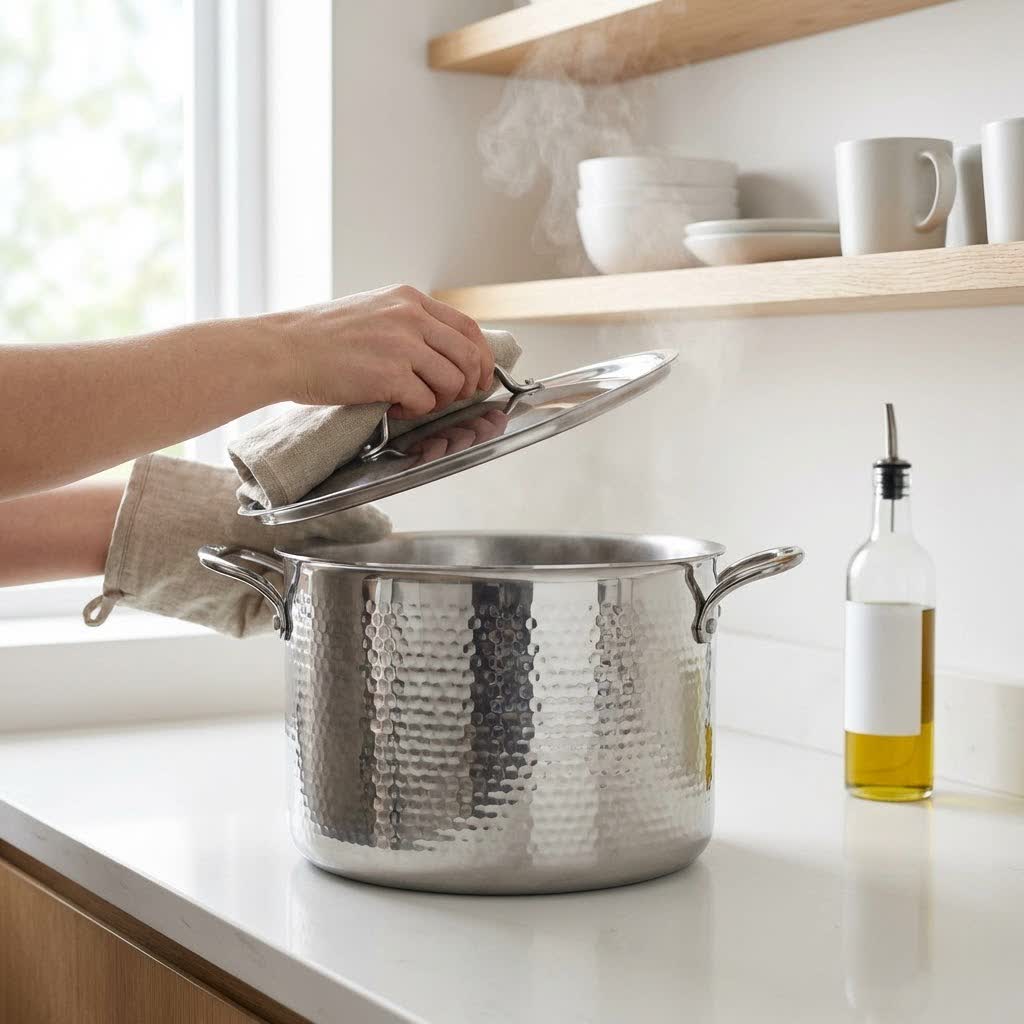
Why Stainless Steel Corrodes: Understanding the Enemy
Stainless steel’s remarkable resistance to rust comes from a thin, invisible layer of chromium oxide that forms on its surface, known as the passive film. This protective barrier acts as a shield against corrosive elements. However, this shield can be compromised, leading to the formation of pitting and rust.
The primary culprits behind the breakdown of this passive layer often include chloride exposure. Chlorides, commonly found in table salt, seawater, and many household cleaning agents, can initiate pitting and crevice corrosion if they come into prolonged contact with the steel. Water quality also plays a significant role; hard water, with its high mineral content, can leave deposits that trap moisture and corrosive elements, fostering an environment where corrosion thrives. Additionally, exposure to high temperatures can accelerate the corrosion process by affecting the stability of the protective oxide layer. Physical damage like scrapes and scratches can also breach the passive film, making the stainless steel more vulnerable to attack. Environmental factors, such as acidic rain or high humidity, further exacerbate these risks, particularly for outdoor stainless steel items.
Choosing the Right Stainless Steel for Enhanced Resistance
While proper care is paramount, starting with the right material can significantly boost your defense against corrosion. Not all stainless steel is created equal; different grades offer varying levels of resistance to pitting and rust.
For environments prone to corrosion, such as coastal areas or industrial settings, opting for stainless steel grades with increased molybdenum content, like 316 stainless steel, is highly beneficial. Molybdenum enhances the passive layer’s stability, making it more robust against chlorides and other corrosive agents. Beyond the inherent properties of the alloy, additional protective measures can be incorporated. These include specialized coatings, paint, or surface treatments that provide an extra barrier against harsh conditions. Furthermore, for intricate designs or items with many joints, ensuring crevices are properly sealed with materials such as polysulfide sealants can prevent the accumulation of corrosive substances that lead to crevice corrosion.
Mastering Daily Cleaning to Avoid Pitting and Rust
Effective and consistent cleaning is your first line of defense against stainless steel corrosion. Adhering to specific cleaning practices can prevent the accumulation of substances that degrade the protective layer.
When cleaning, always use non-abrasive tools such as soft cloths or plastic scouring pads to avoid scratching the surface, which can compromise the passive film. If visible polish lines or “grain” are present, scrub in a motion parallel to these lines to prevent damage and maintain the steel’s appearance. The type of cleaner you use is critical; opt for alkaline, alkaline chlorinated, or non-chloride containing cleaners. It’s vital to avoid cleaners containing quaternary salts, as these can promote pitting, and absolutely never use hydrochloric acid (muriatic acid) on stainless steel, as it aggressively attacks the protective layer. Frequent cleaning prevents the build-up of hard, stubborn stains and corrosive residues. Perhaps the most critical step after cleaning is thorough rinsing, especially when using chlorinated cleaners, followed by immediate drying. Wiping off standing water as soon as possible removes any lingering corrosive agents and mineral deposits.
“Many people overlook the importance of immediate drying, but it’s a game-changer. Leaving water to air-dry, especially hard water, almost guarantees mineral deposits that can lead to pitting.” – John Doe, Senior Metallurgical Engineer
Advanced Protection Strategies for Long-Term Durability
Beyond daily cleaning, implementing advanced protection strategies can significantly extend the life and appearance of your stainless steel, offering a robust defense against pitting and rust. These strategies address both environmental factors and the inherent properties of the steel itself.
One crucial area to address is water quality. If you have hard water, consider installing a water softener to reduce mineral deposits that can build up on stainless steel surfaces. Filters can also be installed to remove distasteful and corrosive elements from your water supply. Another highly effective method is regular passivation. This chemical process, often involving an acid like citric acid, enhances the chromium oxide layer, making it thicker and more uniform, thereby increasing its resistance to corrosion. For outdoor stainless steel, protection from the elements is key. Keeping items under cover when not in use, especially in humid or salty coastal areas, protects them from acidic rain and atmospheric chlorides. Waterproof and UV-resistant covers are a smart investment. For an extra layer of protection, apply protective coatings like WD-40 or specialized “Clean Lube Protectants” such as BreakFree CLP, which form a barrier against moisture and corrosive agents. Pay particular attention to weld points and crevices, as these areas are often more susceptible to corrosion and may benefit from sealants or targeted protective applications.
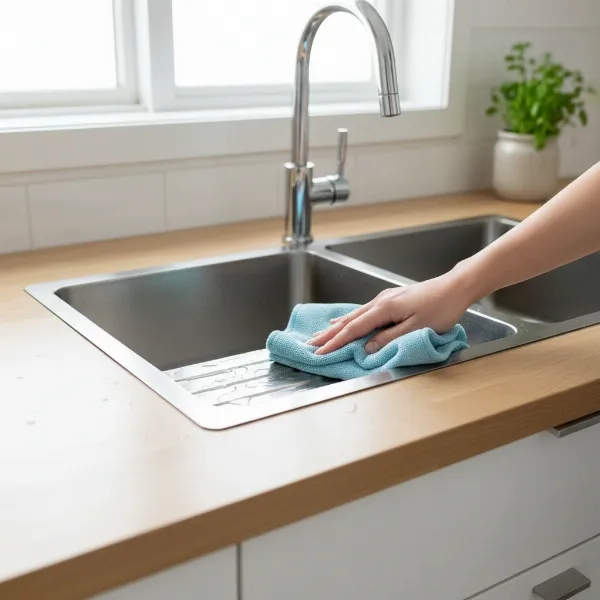 A stainless steel kitchen sink being wiped down with a soft cloth to prevent pitting and rust
When Rust Appears: Early Intervention
Despite your best efforts, sometimes rust or pitting might still appear. Catching and addressing it early is vital to prevent further spread and damage to your stainless steel.
For early stages of rust, ultra-fine steel wool can be used carefully to remove the rust, but always remember to scrub with the grain to avoid visible scratches. This method should be used cautiously, as excessive abrasion can damage the passive layer. For a more comprehensive approach, specialized products designed for stainless steel cleaning and passivation can be highly effective. Products like Citrisurf 2310, for example, are formulated not only to clean but also to assist with rust removal and re-passivate the surface, helping to restore its protective layer. After any rust removal, always rinse the area thoroughly and dry it immediately to prevent recurrence. Regular inspections of all your stainless steel equipment will help you identify any early signs of corrosion, allowing for prompt action before the problem escalates.
Conclusion
Preventing pitting and rust in your stainless steel assets boils down to understanding the vulnerabilities of the material and adopting a diligent care regimen. From choosing the right grade of stainless steel to mastering daily cleaning habits and implementing advanced protective measures like passivation, every step contributes to its longevity. Remember, chlorides, hard water, and improper cleaning agents are your biggest adversaries, while thorough rinsing and immediate drying are your most powerful allies. By remaining vigilant and proactive, you can ensure your stainless steel items retain their lustrous finish and robust performance for many years to come. What strategies have you found most effective in protecting your stainless steel?
Frequently Asked Questions
Why does my “stainless” steel still rust?
Table is empty.Stainless steel is highly resistant to rust, but not entirely impervious. Rust often occurs when its protective chromium oxide layer is compromised by factors like prolonged exposure to chlorides (e.g., salt, certain cleaners), hard water deposits, or physical damage. These elements can break down the passive film, allowing corrosion to begin.
Can cleaning products actually cause stainless steel to rust?
Yes, certain cleaning products can indeed cause stainless steel to rust. Cleaners containing hydrochloric acid or quaternary salts are particularly aggressive and can strip away the protective passive layer, making the steel vulnerable to corrosion and pitting. Always opt for alkaline, non-chloride, or alkaline chlorinated cleaners specifically designed for stainless steel.
Is hard water bad for stainless steel?
Hard water can be detrimental to stainless steel. Its high mineral content can leave behind deposits and scales that trap moisture and corrosive elements against the steel’s surface. This creates an ideal environment for pitting and rust to form, especially if the water is allowed to dry on the surface without being wiped away.