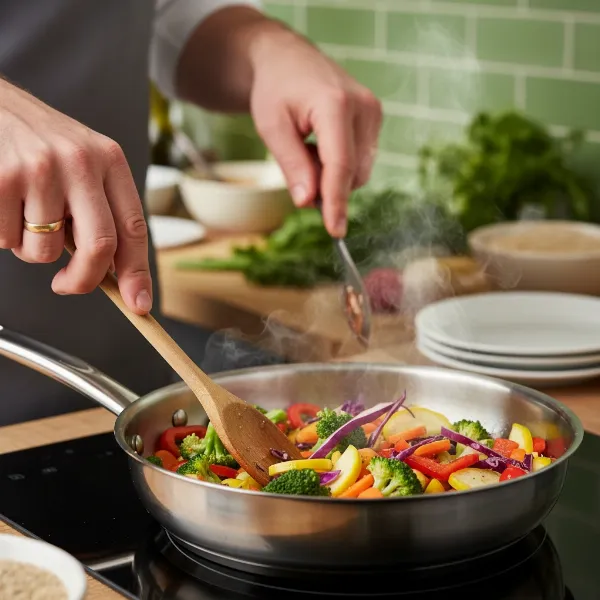
Stainless steel pans are renowned for their durability, even heat distribution, and professional aesthetic, making them a cornerstone in kitchens worldwide. However, many home cooks grapple with food sticking, often leading to frustration and the misconception that stainless steel can’t perform like a non-stick surface. If you’ve ever wondered how to season your stainless steel pan to be non-stick, you’re in the right place. While it’s crucial to understand that “seasoning” stainless steel isn’t the same permanent process as with cast iron, you can absolutely achieve impressive food release with the right techniques. This guide will demystify the process, transforming your stainless steel cookware into a reliable, non-stick ally.
Understanding “Seasoning”: A Stainless Steel Perspective
When we talk about seasoning cast iron or carbon steel, we refer to a process where layers of polymerized oil bond to the metal’s porous surface, creating a naturally non-stick and protective layer over time. This built-up coating is incredibly durable and becomes more effective with each use.
Stainless steel, however, is fundamentally different. Its non-porous surface means it cannot absorb and retain oil layers in the same way. Therefore, you cannot achieve a permanent, baked-on non-stick coating on stainless steel that will endure through vigorous washing with soap and water. Instead, what we refer to as “seasoning” for stainless steel is a temporary method designed to enhance food release for a specific cooking session. Think of it as creating a temporary non-stick barrier that helps delicate foods glide rather than cling. This technique, combined with proper heat management, is the key to unlocking its non-stick potential.
“Many home cooks believe stainless steel can’t be non-stick, but with correct preheating and oil application, it can offer excellent food release without a chemical coating.”
The Science of Non-Stick Stainless Steel
Achieving a non-stick effect with stainless steel primarily relies on two critical factors: proper preheating and the “hot pan, cold fat” method. Understanding the science behind these steps is essential for consistent success.
The Leidenfrost Effect: Your Heat Indicator
The Leidenfrost effect is a fascinating phenomenon that serves as your best indicator for a perfectly preheated stainless steel pan. To test for it, simply flick a few drops of water into your dry, heated pan.
- If the water sizzles and evaporates immediately: The pan is not hot enough.
- If the water beads up and “skates” across the surface like mercury balls: The pan is at the ideal temperature.
|
Our Picks for the Best Stainless steel pot set in 2026
As an Amazon Associate I earn from qualifying purchases.
|
||
| Num | Product | Action |
|---|---|---|
| 1 | Hunnycook Stainless Steel Cookware Set - 15 Pieces Pots and Pans Set, Includes 6 Pots and Pans, 6 Lids and 3 Utensils, Fixed Handles, Induction Safe and Dishwasher Safe |

|
| 2 | Cook N Home Kitchen Cookware Sets, 12-Piece Basic Stainless Steel Pots and Pans, Silver |
|
| 3 | Cuisinart Chef’s Classic 11-Piece Stainless Steel Pots and Pans Set, Cookware Set Compatible with Induction, Electric, Gas Cooktops, Aluminum Core for Even Heat, Cool Grip Handles, Dishwasher Safe |
|
| 4 | 3 Ply Stainless Steel 11-Piece Cookware Set with Lids, Pots and Pans Kitchen Set, Non-Toxic, Induction, Oven, Dishwasher Safe, Professional Chef Quality |
|
| 5 | Cuisinart 12-Piece MultiClad Pro Triple Ply Stainless Stainless Steel Pots and Pans Set, Cookware Set Compatible with Induction, Electric, Gas Cooktops, Cool Grip Handles, Oven Safe to 500°F, Silver |
|
| 6 | Mueller 17-Piece Stainless Steel Pots and Pans Set – Tri-Ply Ultra-Clad Pro Cookware Set, Induction Ready, Oven Safe, Even-Heat Aluminum Core, Includes Skillets, Saucepans, Dutch Oven, Stockpot |
|
| 7 | Cuisinart 7-Piece Stainless Steel Pots and Pans Set, Cookware Set Compatible with Induction, Electric, Gas Cooktops, Aluminum Core for Quick Even Heat, Cool Grip Handles, Dishwasher Safe, Oven Safe |
|
| 8 | MICHELANGELO Stainless Steel Saucepan Set with Lids 1QT & 2QT & 3QT, Stainless Steel Sauce Pot Set 6pcs, Induction Saucepans, Nonstick Sauce Pan Set, Dishwasher Safe |
|
| 9 | Stainless Steel Cookware Set - 20 PCS Pots and Pans Set with 3-Ply Stainless Steel Frying Pan, Professional Kitchen Cooking Set, Induction Compatible, Oven & Dishwasher Safe |
|
| 10 | Cuisinart 17-Piece Stainless Steel Cookware Set, Chef's Classic Steel Collection with Pure Aluminum Core for Quick and Even Heat, Cool Grip Handles, Dishwasher Safe, 77-17N |
|
This “skating” occurs because the water is vaporizing so rapidly that it creates a cushion of steam between the droplet and the pan’s surface, preventing direct contact. This cushion is your signal that the pan is hot enough to effectively bond with oil and prevent sticking.
The “Hot Pan, Cold Fat” Principle
Once your pan reaches the ideal temperature (indicated by the Leidenfrost effect), it’s time to add your cooking fat. The “hot pan, cold fat” method creates a thermal barrier that prevents food from adhering to the pan. When cold oil or butter is added to a hot pan, it quickly heats up and forms a thin, even layer across the pan’s surface. This hot fat then provides a lubricated, non-stick interface for your food. Adding food too early, before the fat is adequately heated and shimmering, is a common mistake that leads to sticking.
Step-by-Step Guide to “Season” Your Stainless Steel Pan for Non-Stick Performance
While not a permanent seasoning, this method provides a temporary non-stick surface for an easier cooking experience.
- Start with a Clean, Dry Pan: Ensure your stainless steel pan is thoroughly clean and completely dry. Any residual food particles or moisture can hinder the process. Wash with dish soap and warm water, then dry completely.
- Preheat the Pan: Place the empty, dry pan over medium-high heat on your stove. Let it heat for 2-3 minutes. You can perform the Leidenfrost test by flicking a few water drops into the pan; if they bead up and glide, it’s ready.
- Add High Smoke Point Oil: Turn off the heat. Add a small amount of high smoke-point oil—about 1-2 tablespoons for most pans, just enough to thinly coat the bottom. Swirl the pan to spread the oil evenly across the entire cooking surface.
- Heat the Oil: Place the pan back on medium heat. Continue heating until the oil begins to faintly smoke. This indicates that the oil is undergoing polymerization, where it forms a thin, temporary film on the pan’s surface. This usually takes 3-5 minutes.
- Cool Down: Immediately remove the pan from the heat once it starts smoking. Let it cool completely to room temperature, which can take at least 30 minutes or even overnight.
- Wipe Away Excess: Once cool, pour out any excess oil (dispose of it properly, not down the drain). Then, use a paper towel to wipe the inside of the pan until it looks shiny and almost dry. The goal is to leave the thinnest possible layer of polymerized oil.
Your pan is now “seasoned” for improved food release for your next cooking session. For optimal results, some experts suggest repeating this process multiple times to build a slightly more durable temporary layer.
Best Oils for Seasoning and Cooking with Stainless Steel
Choosing the right oil is crucial for seasoning and achieving non-stick performance with stainless steel. Always opt for oils with a high smoke point, as these can withstand the necessary heat without breaking down, burning, or leaving behind sticky residue.
Here are some excellent choices:
- Grapeseed Oil: Known for its high smoke point and light, neutral flavor.
- Canola Oil: Affordable, versatile, and has a high smoke point and neutral taste.
- Avocado Oil: Boasts one of the highest smoke points, a neutral flavor, and is rich in healthy fats.
- Sunflower Oil: A good all-purpose oil with a high smoke point and neutral taste.
- Peanut Oil: Another high smoke point option, often used in high-heat cooking.
- Flaxseed Oil: Forms a hard, durable layer when cured, making it a favorite for seasoning, though it has a lower smoke point for actual cooking.
Avoid extra virgin olive oil and butter for seasoning or high-heat cooking, as their lower smoke points can cause them to burn quickly and become sticky.
Maintaining Your Stainless Steel Pan’s Non-Stick Properties
Even with “seasoning,” consistent non-stick performance with stainless steel also hinges on proper cooking techniques and care.
Daily Cleaning and Maintenance
After a light cooking session with a “seasoned” pan, you might only need to rinse it with hot water and wipe it clean with a paper towel. This gentle approach helps to preserve the temporary oil film.
However, for more substantial messes, or if you prefer a thorough clean:
- Use Soap and Water: It’s perfectly fine to wash your stainless steel pan with dish soap and warm water. Remember, this will likely remove the temporary seasoning layer, so you might need to re-season before your next use, especially for delicate foods.
- Avoid Abrasives: While stainless steel is durable, excessive scrubbing with harsh abrasive cleaners can sometimes dull the finish. Use a soft sponge or cloth for general cleaning.
- For Stubborn Stains: For burnt-on food or discoloration, Bar Keepers Friend is a highly recommended product that can restore your pan’s shine without causing damage.
- Cool Before Cleaning: Always allow your pan to cool completely before washing it to prevent thermal shock, which can lead to warping.
Smart Cooking Habits
- Bring Food to Room Temperature: For best results, allow proteins like meat and eggs to come closer to room temperature for about 15 minutes before cooking. Cold food dropped into a hot pan is more prone to sticking.
- Don’t Overcrowd the Pan: Overcrowding lowers the pan’s temperature, leading to steaming instead of searing, and increasing the likelihood of food sticking. Cook in batches if necessary.
- Allow Food to Release Naturally: Often, food will stick initially but release itself once a crust has formed. Don’t force it; patience is key.
- Deglazing: One of the great advantages of stainless steel is its ability to deglaze. Any stuck-on bits (fond) can be easily lifted with liquid (wine, broth, water) to create delicious pan sauces.
Storage
Store your stainless steel pans carefully. If stacking, place a paper towel or a pan protector between them to prevent scratches and scuffs.
Common Mistakes to Avoid
To ensure your stainless steel cooking experience is always non-stick, be mindful of these pitfalls:
- Not Preheating Sufficiently: This is arguably the most common mistake. A pan that isn’t hot enough will cause food to stick immediately. Always wait for the Leidenfrost effect.
- Using Low Smoke Point Oils: These oils break down rapidly under high heat, creating sticky residue and off-flavors.
- Adding Food to a Cold Pan: Always add your fat to a preheated pan, and then allow the fat to heat before introducing food.
- Over-Scrubbing Seasoned Pans: If you’ve applied the temporary “seasoning,” immediate aggressive scrubbing with soap will undo your effort.
Conclusion
Mastering the art of cooking with stainless steel, including “seasoning” it for a non-stick effect, truly elevates your culinary skills. While the non-porous nature of stainless steel means you won’t achieve a permanent non-stick layer like cast iron, understanding proper preheating, utilizing high smoke-point oils, and practicing careful maintenance will grant you excellent food release. Embrace the “hot pan, cold fat” technique and the temporary oil film, and you’ll find your stainless steel pans can handle everything from delicate eggs to perfectly seared meats with remarkable ease. With these simple yet effective strategies, you can confidently cook a wider range of dishes and enjoy the many benefits of your durable, versatile stainless steel cookware. Ready to unlock the full potential of your pans?
Frequently Asked Questions
Can I really make my stainless steel pan permanently non-stick?
No, unlike cast iron or carbon steel, stainless steel is non-porous and cannot develop a permanent, polymerized non-stick layer that withstands repeated washing with soap. The “seasoning” process for stainless steel creates a temporary, non-stick surface for specific cooking sessions, which needs to be reapplied as needed.
What is the best oil for seasoning a stainless steel pan?
Oils with high smoke points are best, such as grapeseed oil, canola oil, avocado oil, and sunflower oil. These oils can withstand the high heat required for the seasoning process without breaking down or becoming sticky.
How often do I need to “season” my stainless steel pan?
The temporary “seasoning” on a stainless steel pan will typically wear off after cleaning, especially if using soap. For optimal food release, you might need to re-apply the seasoning process before cooking delicate foods that are prone to sticking, such as eggs or fish.
Why does my food still stick even after trying to season my pan?
Food sticking often happens due to insufficient preheating of the pan, adding cold food to the pan, or not allowing the cooking fat to properly heat up before adding ingredients. Ensure your pan reaches the Leidenfrost effect temperature before adding oil, and let the oil shimmer before introducing food.
Can I put my “seasoned” stainless steel pan in the dishwasher?
While stainless steel pans are generally dishwasher safe, washing them with harsh detergents and high heat will strip away any temporary seasoning layer. For a “seasoned” pan, it’s best to hand wash with hot water and a soft cloth to preserve the oil film, then re-season if necessary.