Choosing the right finishes for your home can significantly impact both aesthetics and functionality. Among the myriad of material choices, stainless steel stands out for its durability, hygiene, and modern appeal. However, even with this versatile metal, a critical decision often arises: selecting between a brushed or polished finish. Each offers a distinct look and set of practical advantages, yet discerning which is best suited for your specific needs – be it for appliances, fixtures, or decorative elements – requires a deeper understanding of their characteristics. This comprehensive guide delves into the core differences between brushed and polished stainless steel, exploring their visual impact, durability, maintenance requirements, and ideal applications to help you make an informed choice that perfectly complements your lifestyle and design vision.
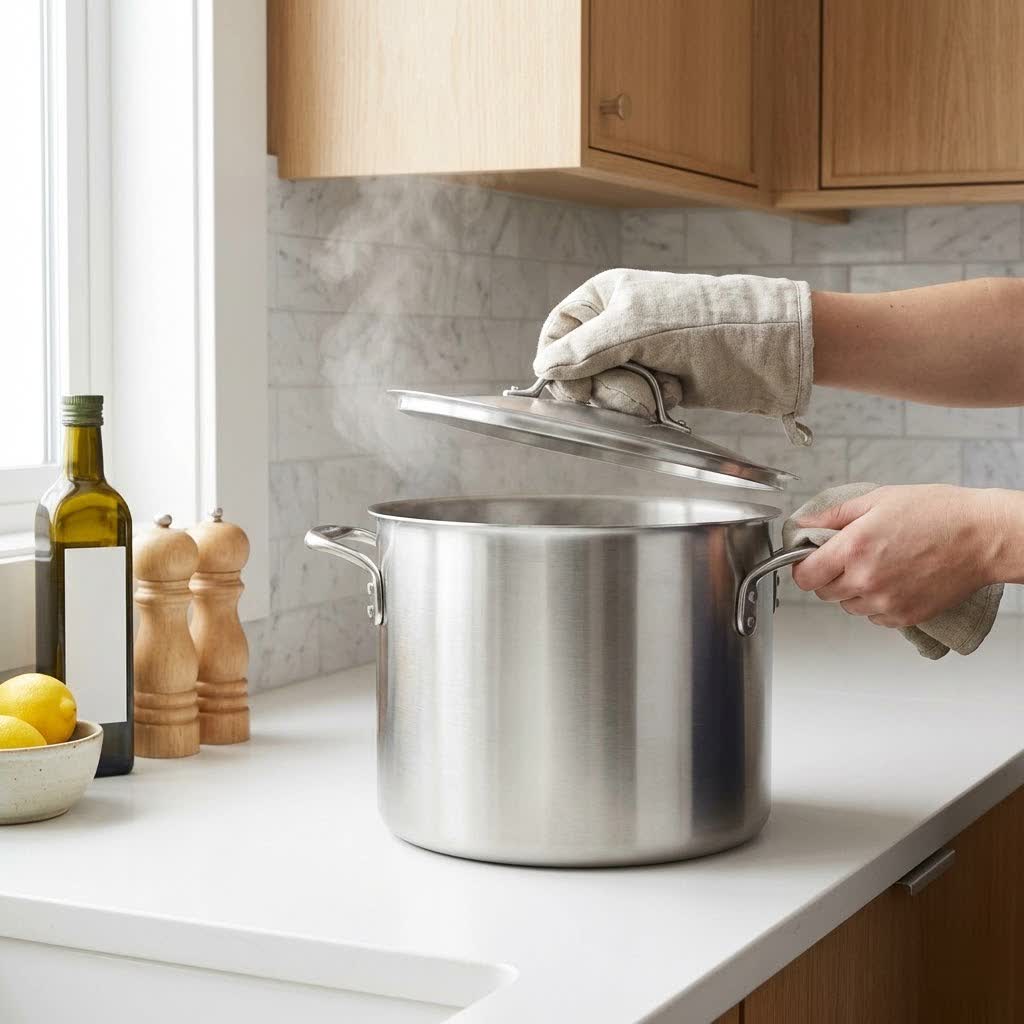
Understanding Stainless Steel Finishes: What Are They?
Stainless steel’s inherent strength and corrosion resistance make it a popular material, but its surface appearance can vary dramatically based on how it’s finished. The two most common and distinct finishes are brushed and polished, each achieved through unique manufacturing processes that impart different visual and tactile qualities.
Brushed Stainless Steel
|
Our Picks for the Best Stainless steel pot set in 2026
As an Amazon Associate I earn from qualifying purchases.
|
||
| Num | Product | Action |
|---|---|---|
| 1 | Mueller 17-Piece Stainless Steel Pots and Pans Set – Tri-Ply Ultra-Clad Pro Cookware Set, Induction Ready, Oven Safe, Even-Heat Aluminum Core, Includes Skillets, Saucepans, Dutch Oven, Stockpot |

|
| 2 | Cuisinart 7-Piece Stainless Steel Pots and Pans Set, Cookware Set Compatible with Induction, Electric, Gas Cooktops, Aluminum Core for Quick Even Heat, Cool Grip Handles, Dishwasher Safe, Oven Safe |
|
| 3 | Cuisinart 12-Piece MultiClad Pro Triple Ply Stainless Stainless Steel Pots and Pans Set, Cookware Set Compatible with Induction, Electric, Gas Cooktops, Cool Grip Handles, Oven Safe to 500°F, Silver |
|
| 4 | MICHELANGELO Stainless Steel Saucepan Set with Lids 1QT & 2QT & 3QT, Stainless Steel Sauce Pot Set 6pcs, Induction Saucepans, Nonstick Sauce Pan Set, Dishwasher Safe |
|
| 5 | Cook N Home Kitchen Cookware Sets, 12-Piece Basic Stainless Steel Pots and Pans, Silver |
|
| 6 | Cuisinart Chef’s Classic 11-Piece Stainless Steel Pots and Pans Set, Cookware Set Compatible with Induction, Electric, Gas Cooktops, Aluminum Core for Even Heat, Cool Grip Handles, Dishwasher Safe |
|
| 7 | Stainless Steel Cookware Set - 20 PCS Pots and Pans Set with 3-Ply Stainless Steel Frying Pan, Professional Kitchen Cooking Set, Induction Compatible, Oven & Dishwasher Safe |
|
| 8 | Cuisinart 17-Piece Stainless Steel Cookware Set, Chef's Classic Steel Collection with Pure Aluminum Core for Quick and Even Heat, Cool Grip Handles, Dishwasher Safe, 77-17N |
|
| 9 | 3 Ply Stainless Steel 11-Piece Cookware Set with Lids, Pots and Pans Kitchen Set, Non-Toxic, Induction, Oven, Dishwasher Safe, Professional Chef Quality |
|
| 10 | Hunnycook Stainless Steel Cookware Set - 15 Pieces Pots and Pans Set, Includes 6 Pots and Pans, 6 Lids and 3 Utensils, Fixed Handles, Induction Safe and Dishwasher Safe |
|
Brushed stainless steel is characterized by a subtle, matte appearance with fine, unidirectional lines or a “grain” across its surface. This textured look diffuses light rather than reflecting it, giving it a softer, more contemporary feel. The finish is created by mechanically abrading the metal surface with an abrasive belt or brush, which produces a series of microscopic grooves that give it its distinctive satin effect.
Polished Stainless Steel
In contrast, polished stainless steel boasts a smooth, highly reflective, and mirror-like surface. This finish is achieved through a multi-stage process involving grinding, buffing, and sometimes electro-polishing to remove all imperfections and achieve a brilliant, luminous sheen. The result is a luxurious and often timeless appearance that reflects its surroundings, making spaces feel larger and brighter.
Brushed vs. Polished Stainless Steel: A Comprehensive Comparison
When selecting between brushed and polished stainless steel, several factors come into play, from the desired aesthetic to practical considerations like maintenance and longevity. Understanding these differences is crucial for making the optimal choice.
Aesthetic Appeal and Visual Impact
The most immediate difference between these two finishes lies in their visual appeal. Brushed stainless steel offers a sophisticated, understated elegance. Its matte finish and directional grain provide a modern, industrial look that seamlessly integrates into various design styles without overpowering the space. It’s less reflective, creating a calmer, more muted presence. Polished stainless steel, on the other hand, is all about brilliance and luxury. Its mirror-like surface demands attention, offering a high-impact aesthetic that can elevate a space with its dazzling reflectivity. It often imparts a classic and opulent feel, making a bold statement.
Durability and Maintenance
When it comes to daily wear and tear, the surface texture plays a significant role in how each finish performs. Brushed stainless steel is renowned for its forgiving nature; the fine lines effectively conceal minor scratches, scuffs, and fingerprints, making it an excellent choice for high-traffic areas or environments where frequent handling occurs. While durable, the microscopic grooves can, however, sometimes trap dirt or grime if not cleaned along the grain. Polished stainless steel, conversely, possesses superior inherent corrosion resistance due to its ultra-smooth surface, which leaves fewer microscopic areas for corrosive agents to latch onto. However, its flawless, reflective surface also means that every fingerprint, smudge, and minor scratch is far more visible, demanding more diligent and frequent cleaning to maintain its pristine look.
Practical Applications
The ideal application for each finish often hinges on both aesthetics and functionality. Brushed stainless steel is a go-to for kitchen appliances, backsplashes, hardware, and commercial installations where durability and ease of hiding daily wear are paramount. Its non-directional texture makes it a practical choice for elements that will be frequently touched. Polished stainless steel is frequently chosen for decorative accents, elegant fixtures, medical equipment, and architectural elements where a high-end, clean, and reflective look is desired. Its ability to create a sense of spaciousness also makes it popular for smaller rooms or design features meant to stand out.
“The choice between brushed and polished stainless steel often comes down to balancing desired aesthetics with practical considerations like maintenance and the environment of use. There’s no single ‘better’ option, only the best fit for a specific application.” – Alex Chen, Lead Design Engineer, Metal Fabrication Solutions
Cost and Manufacturing Insights
Generally, the manufacturing process for a highly polished finish is more labor-intensive and time-consuming than for a brushed finish. Achieving that perfectly smooth, mirror-like surface requires multiple stages of grinding and buffing, often leading to a higher production cost for polished stainless steel. Brushed finishes, while still precise, involve a more streamlined abrading process. For large-scale industrial or public-facing products, brushed finishes often offer a more cost-effective solution for practical durability and consistent visual appeal.
Choosing the Right Finish for Your Needs
Deciding between brushed and polished stainless steel involves evaluating your specific requirements, aesthetic preferences, and the environment where the material will be used.
- Consider Your Lifestyle: If your household involves children, pets, or frequent cooking, the forgiving nature of brushed stainless steel might be a practical advantage, as it naturally camouflages smudges and minor impacts.
- Assess the Environment: For high-traffic areas, commercial kitchens, or industrial settings, brushed stainless steel offers a robust and low-maintenance option. For luxury bathrooms, showcases, or medical facilities where hygiene and a pristine appearance are critical, polished stainless steel excels.
- Match Your Aesthetic: Do you prefer a contemporary, understated look, or a bold, opulent statement? Brushed finishes align with modern, minimalist, and industrial designs, while polished finishes complement traditional, glamorous, and high-tech aesthetics.
- Evaluate Maintenance Commitment: Are you prepared for the regular cleaning required to keep polished stainless steel gleaming, or do you prefer a finish that requires less meticulous attention?
Tips for Care and Maintenance
Proper care ensures the longevity and beauty of both brushed and polished stainless steel finishes. While the underlying material quality is paramount, maintenance routines differ slightly to best preserve each finish.
- General Care: Always wipe stainless steel surfaces with a soft cloth and non-abrasive cleaners. Avoid harsh chemicals, steel wool, or scouring pads, which can scratch the surface regardless of the finish. For the best results, always wipe in the direction of the grain on brushed finishes and avoid circular motions.
- Brushed Stainless Steel: To clean brushed surfaces, use a mild soap and warm water, or a specialized stainless steel cleaner. Always wipe with the grain to prevent streaking and to maintain the integrity of the finish. For stubborn stains, a paste of baking soda and water can be effective, applied gently with a soft cloth.
- Polished Stainless Steel: Maintaining a polished finish requires a gentle touch. Use soft cloths, microfiber towels, and streak-free cleaners. Since fingerprints and smudges are more evident, frequent, gentle wiping is often necessary. Avoid anything abrasive that could dull the mirror-like shine. For a truly brilliant finish, some opt for specific stainless steel polishes after cleaning.
Conclusion
The choice between brushed and polished stainless steel is more than just a matter of preference; it’s a strategic decision that affects the aesthetics, functionality, and longevity of your investment. Brushed stainless steel offers a practical, modern appeal that cleverly disguises the signs of daily use, making it ideal for busy environments. Conversely, polished stainless steel delivers an undeniable wow factor with its mirror-like sheen, perfect for creating luxurious and impactful statements in spaces that demand pristine elegance. Ultimately, understanding the unique characteristics of each finish allows you to align your material choice with your specific design vision, lifestyle demands, and maintenance expectations, ensuring a selection that will bring satisfaction for years to come. What finish will best reflect your style and needs?
Frequently Asked Questions
Is brushed stainless steel harder to clean than polished?
Not necessarily harder, but different. Brushed stainless steel needs to be cleaned along the grain to avoid streaks, and its microscopic grooves can potentially trap more dirt if not wiped properly. Polished stainless steel is easier to wipe clean due to its smooth surface but shows every smudge and fingerprint, requiring more frequent attention to look pristine.
Does polished stainless steel scratch easily?
Polished stainless steel tends to show scratches more easily than brushed stainless steel. While both materials are durable, the highly reflective surface of polished stainless steel makes even minor abrasions or swirl marks very noticeable, requiring more careful handling and cleaning.
Which finish is considered more modern?
Brushed stainless steel is often considered to have a more modern and contemporary aesthetic due to its subtle, matte appearance and understated elegance. Polished stainless steel, while timeless, can lean towards a more classic or luxurious feel.
Can you change a brushed finish to polished (and vice-versa)?
Changing a brushed finish to a polished one typically requires professional metal finishing services, as it involves extensive grinding and buffing to achieve the smooth, reflective surface. Reversing a polished finish to brushed is also possible but challenging, as it requires re-graining the smooth surface, which can be difficult to do evenly without specialized equipment.