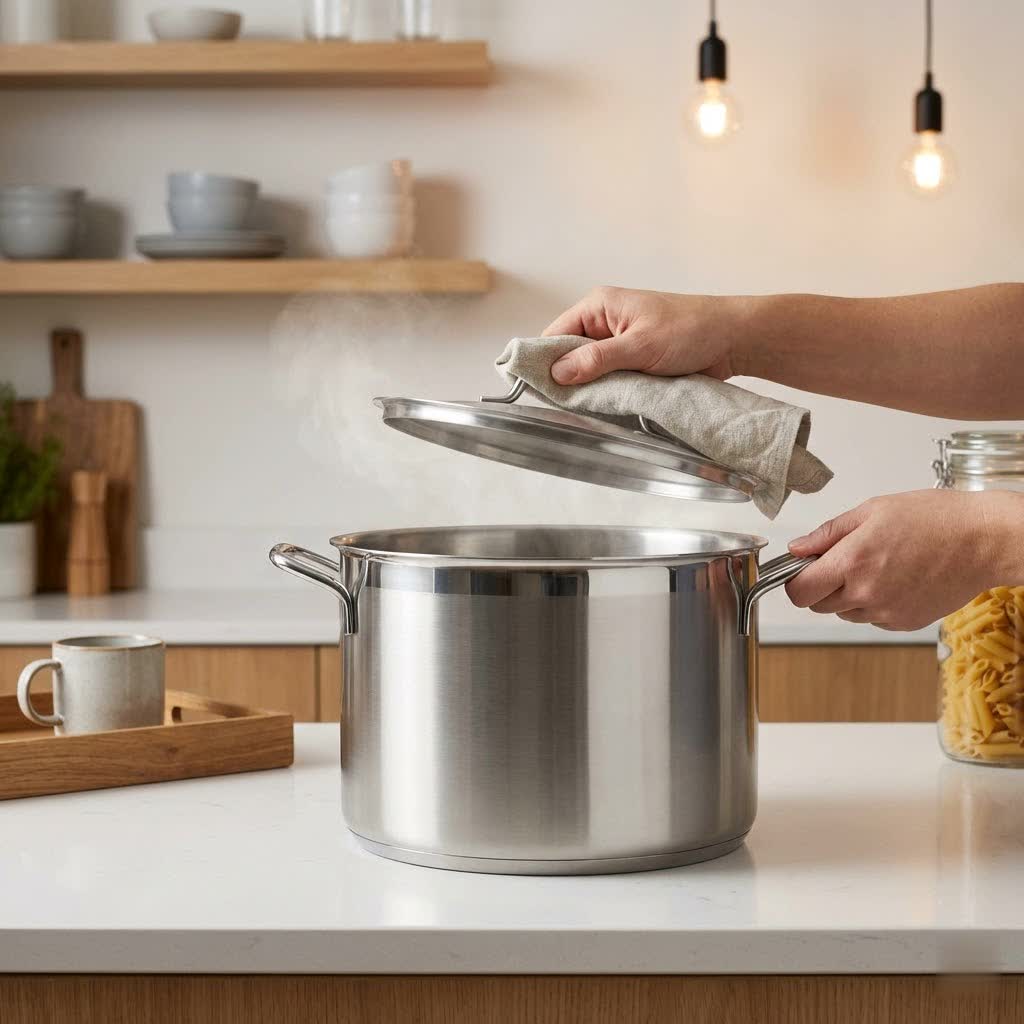
There’s a unique satisfaction in crafting a rich, hearty soup or a flavorful bone broth from scratch. As an experienced technician in home appliances, especially stainless steel cookware, I’ve seen countless kitchens transform with the right tools. A high-quality stainless steel stock pot is more than just a large vessel; it’s the cornerstone of delicious, slow-simmered creations. This guide will walk you through everything you need to know, from understanding materials to selecting the perfect pot, ensuring your culinary adventures are both enjoyable and successful.
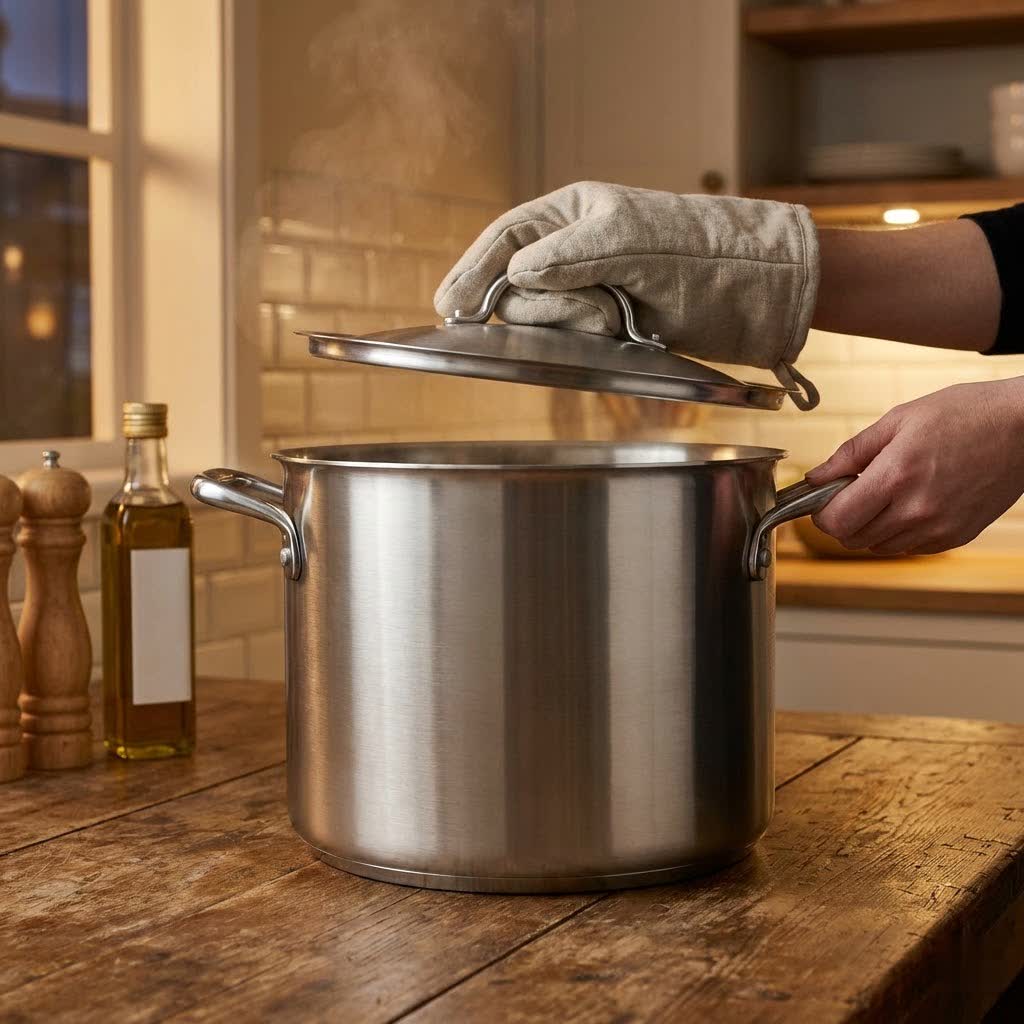
Why Stainless Steel Stock Pots Are Ideal for Soup Making
When it comes to simmering, boiling, and stewing, stainless steel stands out as an exceptional material for stock pots. Its inherent qualities make it a preferred choice for both home cooks and professional chefs.
Superior Advantages
|
Our Picks for the Best Stainless steel pot set in 2026
As an Amazon Associate I earn from qualifying purchases.
|
||
| Num | Product | Action |
|---|---|---|
| 1 | Cuisinart 12-Piece MultiClad Pro Triple Ply Stainless Stainless Steel Pots and Pans Set, Cookware Set Compatible with Induction, Electric, Gas Cooktops, Cool Grip Handles, Oven Safe to 500°F, Silver |

|
| 2 | Stainless Steel Cookware Set - 20 PCS Pots and Pans Set with 3-Ply Stainless Steel Frying Pan, Professional Kitchen Cooking Set, Induction Compatible, Oven & Dishwasher Safe |
|
| 3 | Cuisinart Chef’s Classic 11-Piece Stainless Steel Pots and Pans Set, Cookware Set Compatible with Induction, Electric, Gas Cooktops, Aluminum Core for Even Heat, Cool Grip Handles, Dishwasher Safe |
|
| 4 | 3 Ply Stainless Steel 11-Piece Cookware Set with Lids, Pots and Pans Kitchen Set, Non-Toxic, Induction, Oven, Dishwasher Safe, Professional Chef Quality |
|
| 5 | Cuisinart 17-Piece Stainless Steel Cookware Set, Chef's Classic Steel Collection with Pure Aluminum Core for Quick and Even Heat, Cool Grip Handles, Dishwasher Safe, 77-17N |
|
| 6 | Cook N Home Kitchen Cookware Sets, 12-Piece Basic Stainless Steel Pots and Pans, Silver |
|
| 7 | Cuisinart 7-Piece Stainless Steel Pots and Pans Set, Cookware Set Compatible with Induction, Electric, Gas Cooktops, Aluminum Core for Quick Even Heat, Cool Grip Handles, Dishwasher Safe, Oven Safe |
|
| 8 | MICHELANGELO Stainless Steel Saucepan Set with Lids 1QT & 2QT & 3QT, Stainless Steel Sauce Pot Set 6pcs, Induction Saucepans, Nonstick Sauce Pan Set, Dishwasher Safe |
|
| 9 | Hunnycook Stainless Steel Cookware Set - 15 Pieces Pots and Pans Set, Includes 6 Pots and Pans, 6 Lids and 3 Utensils, Fixed Handles, Induction Safe and Dishwasher Safe |
|
| 10 | Mueller 17-Piece Stainless Steel Pots and Pans Set – Tri-Ply Ultra-Clad Pro Cookware Set, Induction Ready, Oven Safe, Even-Heat Aluminum Core, Includes Skillets, Saucepans, Dutch Oven, Stockpot |
|
Stainless steel offers remarkable durability and longevity, capable of withstanding high cooking temperatures and frequent use, making it a cost-effective investment for your kitchen. Unlike some other materials, it is non-reactive with acidic ingredients like tomatoes or vinegars, ensuring your soups and stocks retain their true flavor without any metallic aftertaste. Stainless steel is also recognized for its safety as a food-grade material and its resistance to rust and staining, contributing to its sleek, professional appearance.
Optimal Heat Distribution
One of the most critical aspects of a great stock pot for soup is its ability to distribute heat evenly. This prevents hot spots that can scorch food at the bottom of the pot, especially during long simmering times. Many high-quality stainless steel stock pots feature clad construction, incorporating layers of aluminum or copper between layers of stainless steel (often referred to as tri-ply or 5-ply). This multi-layered design allows for superior and consistent heat transfer, crucial for perfectly cooked soups and rich, clear broths.
Effortless Maintenance
Stainless steel is known for its ease of cleaning. Most stainless steel stock pots are dishwasher safe, offering convenience after preparing large meals. They are also resistant to rust and staining, meaning they retain their shine with minimal effort, making them a practical choice for everyday use.
Understanding Stainless Steel Grades for Cookware
Not all stainless steel is created equal. The grade of stainless steel significantly impacts a pot’s performance, durability, and safety for cooking.
Stainless Steel 304 (18/8 or 18/10)
This is the gold standard for high-quality cookware. Stainless steel 304 contains approximately 18% chromium and 8% or 10% nickel (hence 18/8 or 18/10 designations). The higher nickel content in 18/10 stainless steel enhances its corrosion resistance, making it superior for resisting acidic foods and harsh cleaning agents. It is highly durable, non-reactive, and considered food-grade, making it the ideal choice for stock pots and other cooking vessels that come into contact with food.
Stainless Steel 430
Also known as ferritic stainless steel, 430 contains about 17-18% chromium but little to no nickel. Its primary advantage is that it is magnetic, which makes it suitable for induction cooktops. However, 430 stainless steel offers less corrosion resistance compared to 304 and may be more susceptible to corrosion from acids and chlorides. While it can be used for some cookware, it’s generally a more economical option that may not offer the same longevity or resistance to pitting as 304.
Stainless Steel 201
This grade contains lower levels of nickel and higher levels of manganese compared to 304, making it less expensive. However, this composition results in significantly lower corrosion resistance and makes it less suitable for food-grade cookware due to its potential to rust and its poor performance in high temperatures. It is generally recommended to avoid 201 stainless steel for stock pots and other cooking utensils that will be frequently exposed to food and heat.
Key Features to Look for in a Soup Stock Pot
Choosing the perfect stainless steel stock pot involves considering several design and functional elements that enhance your soup-making experience.
Capacity Matters
The right size depends on your cooking habits and household needs.
- Small Stock Pots (Under 8 quarts): Ideal for everyday soups, sauces, or smaller family meals. They are easy to store and handle.
- Medium Stock Pots (8-12 quarts): Often considered the kitchen workhorse. This size is versatile for family-sized batches of soup, stew, or chili, and large enough for boiling pasta without being cumbersome. Many experts recommend a 12-quart pot as a sweet spot for most home cooks.
- Large Stock Pots (12+ quarts): Essential for batch cooking, meal prepping, catering, or cooking for large gatherings. These are perfect for making huge quantities of stock to freeze or for canning. Commercial kitchens often utilize sizes of 20 quarts and up.
Construction for Performance
The way a stock pot is constructed profoundly affects its heat distribution and durability.
- Fully Clad (Multi-Ply): This construction features layers of conductive metals (like aluminum or copper) extending from the base all the way up the sides of the pot, sandwiched between stainless steel layers. This ensures superior, even heat distribution throughout the entire pot, minimizing hot spots and preventing food from sticking or scorching.
- Encapsulated Base: A more budget-friendly option, this design features a thick disc of aluminum or copper layered at the bottom of the pot, clad in stainless steel. It provides good heat distribution at the base but not up the sides. For simmering soups, this can still be very effective in preventing burning.
Sturdy, Comfortable Handles
Maneuvering a heavy stock pot full of hot liquid requires secure and comfortable handles.
- Look for wide, robust handles that are securely riveted or welded to the pot. Riveted handles are a classic for their strength, while welded handles offer a seamless look and prevent food traps.
- “If I have to move the pot using kitchen gloves or a kitchen towel, the handles have to make that easy to do.” – Uzo Orimalade, Allrecipes Allstar.
- Consider handles that are designed to stay cool on the stovetop, although this can vary with cooking duration and heat level.
Tight-Fitting Lid
A well-fitting lid is crucial for effective soup making. It traps heat and moisture inside the pot, creating a consistent cooking environment that allows flavors to deepen and meld beautifully. This also helps reduce evaporation, maintaining the desired consistency of your broths and stews. Some lids may include small vents to release excess steam, while others are designed for a completely sealed cooking environment. Glass lids offer the added benefit of allowing you to monitor your food without lifting the lid.
Pot Shape
While traditional stock pots are often tall and narrow, some newer designs favor a wider, shallower shape. A wider pot can be easier to stir in and allows for better browning of ingredients before adding liquids, which is a key step for building flavor in many soups and stews.
Oven-Safe Capability
An oven-safe stock pot adds versatility, allowing you to finish dishes in the oven or keep them warm before serving. Ensure the pot, including its handles and lid, is rated for oven temperatures, typically up to 350°F or higher. Some premium models can withstand up to 550°F or even 800°F.
Top Recommended Stainless Steel Stock Pots for Soup
Based on expert reviews and user feedback, several stainless steel stock pots consistently perform well for soup making.
| Brand & Model | Capacity (Quarts) | Construction | Key Benefits |
|---|---|---|---|
| Cuisinart MultiClad Pro | 12 | Tri-ply clad | Even heating, comfortable handles, oven-safe up to 550°F, dishwasher safe. |
| Made In | 8 | 5-ply clad | Heats evenly, comfortable to hold and maneuver, easy to clean. |
| Misen | 8 | 5-ply clad | Excellent heat distribution, durable, oven-safe up to 800°F. |
| Tramontina Tri-Ply Clad | 8 | Tri-ply clad | Great value, heats evenly with no hot/cold spots, magnetic stainless steel. |
| All-Clad D3/D5 | 8-12 | Multi-ply clad | High-quality, tall sides reduce evaporation, durable. |
“The Cuisinart 12-Quart MultiClad Pro Stainless Stock Pot has riveted handles that are ergonomic and easy to hold—a bonus when you’re lifting a heavy stockpot filled with a stew or broth.” – Elizabeth Dalton, Allrecipes Allstar.
How to Use and Care for Your Stainless Steel Stock Pot
Proper use and maintenance will ensure your stainless steel stock pot remains a reliable companion in your kitchen for years.
First Use
Before its inaugural use, simply wash your new stock pot with warm water and mild dish soap to remove any manufacturing residues. A normal cleaning is sufficient; boiling water or vinegar isn’t strictly necessary but can be done if desired.
Cooking Tips
- Preheat Properly: Allow your stock pot to preheat on medium heat before adding ingredients. This helps achieve even cooking and prevents sticking.
- Avoid Overcrowding: “Always leave enough space for the ingredients to move freely in the pot. Overcrowding can lead to uneven cooking,” causing ingredients to steam rather than simmer.
- Seasoning & Timing for Stocks: For richly flavored meat stocks, simmer bones and water for most of the cooking time, then add aromatics (onions, carrots, celery, herbs) during the last hour to keep their flavors bright. Season lightly at the beginning and adjust towards the end, especially if reducing the stock.
- Manage Heat: Use medium heat for most simmering tasks; a gentle simmer is generally better than a rapid boil for stocks to extract flavors slowly and prevent ingredients from breaking down too quickly.
Cleaning & Maintenance
- Daily Cleaning: For everyday messes, a soft sponge and mild dish soap with warm water are usually all you need.
- Stubborn Stains: For burnt-on food or discoloration, create a paste of baking soda and water, apply it, let it sit, then gently scrub. A solution of equal parts water and vinegar can also combat discoloration.
- Preventing Damage:
- Avoid Abrasives: Steer clear of harsh abrasive cleaners, steel wool, or scouring pads, as they can scratch the stainless steel surface.
- Temperature Shock: Always allow your stock pot to cool completely before immersing it in cold water to prevent warping.
- Salt Placement: Avoid adding salt to cold water or an unheated pan, as this can lead to pitting, which is unsightly and permanent.
- Storage: Store your stainless steel stock pot carefully. If nesting with other cookware, place a soft cloth or paper towel between items to prevent scratches.
Conclusion
Choosing the best stainless steel stock pot for soup making is an investment in your culinary journey. By understanding the advantages of quality stainless steel, distinguishing between grades, and prioritizing key features like multi-ply construction, comfortable handles, and appropriate capacity, you can select a pot that will serve you faithfully for years. Remember, proper care and cleaning are essential to maintain its performance and pristine appearance. With the right stainless steel stock pot, you’ll be well-equipped to create countless batches of comforting, flavorful soups and stocks that delight your family and friends.
What will your first delicious creation be with your new kitchen workhorse?
Frequently Asked Questions
What size stock pot do I really need?
For most home cooks and family meals, an 8 to 12-quart stainless steel stock pot is ideal, offering enough capacity for family-sized soups, stews, and boiling pasta without being too large for storage or handling. If you frequently cook for large crowds, engage in meal prep, or make big batches of stock, consider a 16-quart or larger model.
Can I put my stainless steel stock pot in the dishwasher?
Most stainless steel stock pots are dishwasher safe, offering convenient cleanup. However, handwashing with mild dish soap and a soft sponge is generally recommended to best preserve its finish and prolong its lifespan, as harsh detergents and high temperatures in dishwashers can sometimes cause discoloration over time.
How do I prevent food from sticking to the bottom?
To prevent sticking and scorching, ensure your stainless steel stock pot has a thick, multi-layered base (like tri-ply or 5-ply clad construction) that promotes even heat distribution. Always preheat the pot on medium heat before adding ingredients, and avoid overcrowding, which can lower the cooking temperature and lead to uneven cooking.
What’s the difference between a stock pot and a Dutch oven?
A stock pot is typically taller and narrower with straight sides, designed for large quantities of liquid and long, slow simmering to develop rich flavors in stocks and soups. A Dutch oven, on the other hand, is usually shorter and wider with thicker walls, often made of cast iron, making it ideal for oven cooking, braising, and dishes requiring excellent heat retention.