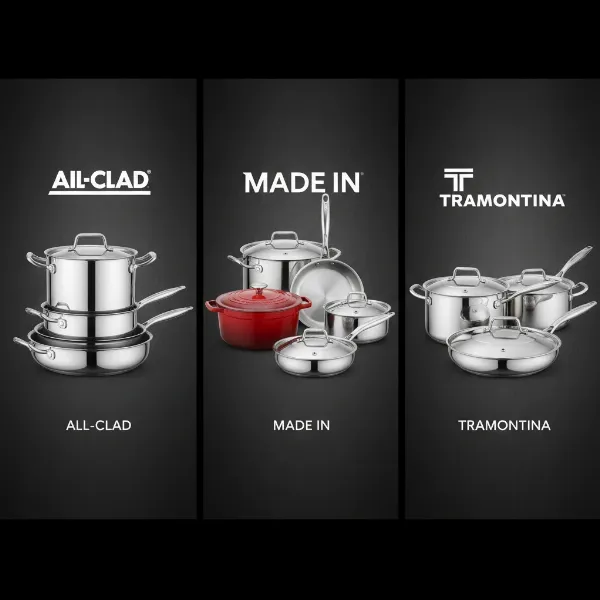
Choosing the right cookware can transform your culinary experience, and for many, stainless steel is a top contender due to its durability and sleek appearance. But not all stainless steel cookware is created equal. Have you ever wondered what goes into the base of your pots and pans, and why some perform better than others? The “encapsulated base” is a popular design choice, promising excellent heat distribution and compatibility with modern cooktops. This article dives deep into encapsulated base cookware, exploring its construction, advantages, and limitations to help you decide if it’s the perfect fit for your kitchen needs.
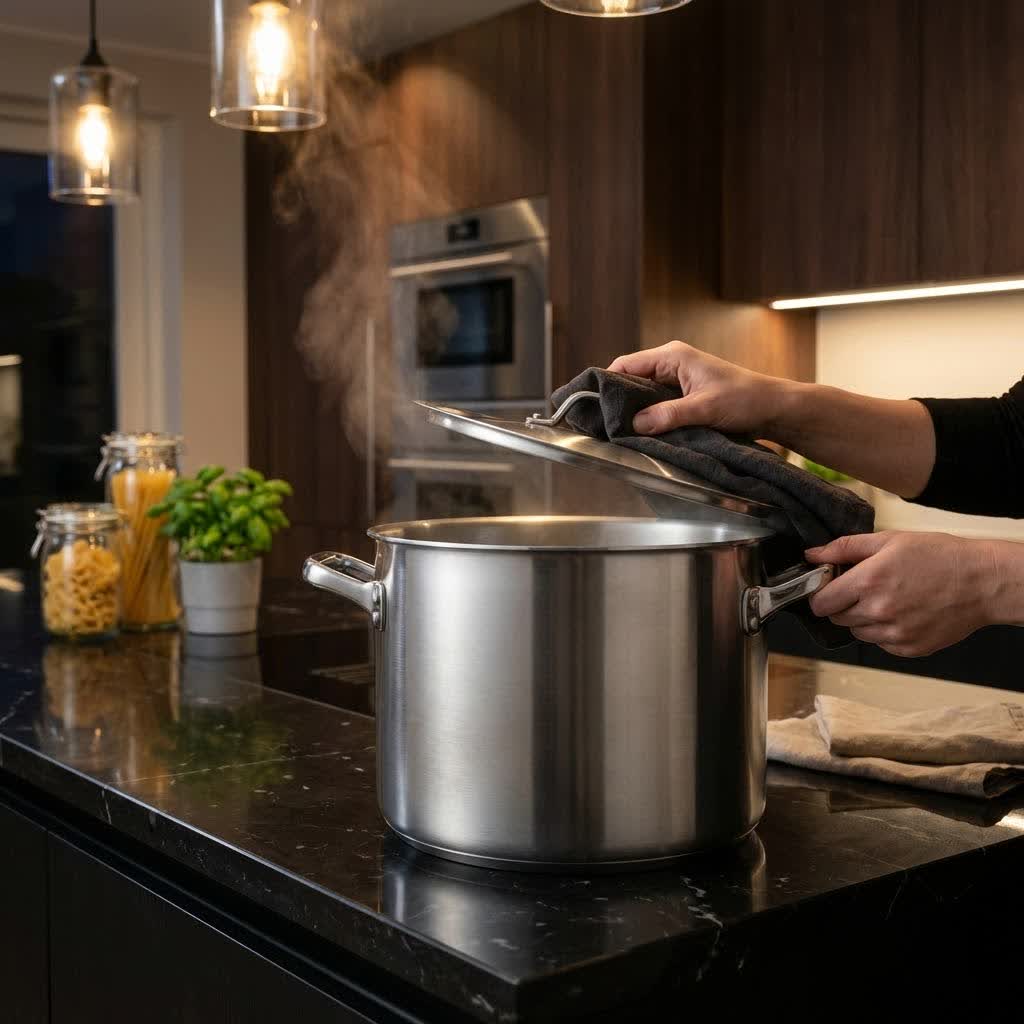
What is Encapsulated Base Cookware?
Encapsulated base cookware refers to a design where multiple layers of different metals are fused together at the bottom of a pot or pan. Typically, this construction involves a highly conductive metal, most often aluminum or sometimes copper, sandwiched between two layers of stainless steel. This multi-layered bottom, often called a “sandwich base,” “capsule bottom,” or “disc bottom,” is then permanently bonded to a single-ply stainless steel body.
The primary purpose of this layered design is to leverage the strengths of different metals. While stainless steel is prized for its durability, non-reactivity with food, and aesthetic appeal, it is a relatively poor conductor of heat. By incorporating a core of aluminum or copper, which are excellent heat conductors, the cookware achieves significantly better heat distribution than a single layer of stainless steel could provide. The outer stainless steel layer is often magnetic, ensuring compatibility with induction cooktops. The internal stainless steel layer, usually 18/10 grade, creates a safe, non-reactive cooking surface.
“Encapsulated base cookware is designed to optimize heat distribution where it matters most: the cooking surface in direct contact with the heat source.”
The Science Behind the Layers: Why it Works
The magic of encapsulated base cookware lies in its thoughtful combination of materials. Each layer serves a specific function to enhance cooking performance:
- Outer Magnetic Stainless Steel Layer: This layer, often made from 430-grade stainless steel, is crucial for induction cooktops. Induction cooking relies on magnetic fields to generate heat directly within the pan. Since aluminum and copper are not magnetic, this outer ferrous layer makes the cookware induction compatible. It also provides a robust exterior that resists corrosion and wear.
- Aluminum or Copper Core: Nestled between the stainless steel layers, this core material is the workhorse for heat conduction. Aluminum, known for its excellent thermal conductivity, rapidly absorbs and spreads heat evenly across the base of the pan. Copper offers even superior conductivity, though it can be more expensive and prone to buckling due to its high expansion rate. This core minimizes hot spots, preventing food from burning in certain areas while remaining undercooked in others.
- Inner Food-Grade Stainless Steel Layer: This is the cooking surface, typically made from 18/10 stainless steel. It’s highly durable, non-reactive with acidic foods (preventing metallic tastes), and easy to clean. This layer ensures your food remains safe and pure, untainted by the underlying conductive metals.
The bonding process for these layers, such as brazing, friction welding, or impact bonding, is critical for the cookware’s longevity and performance. Impact bonding, for instance, uses extreme pressure to permanently fuse the base disc, creating a seamless connection without gaps or adhesives.
Advantages of Encapsulated Base Cookware
Encapsulated base cookware offers a compelling list of benefits, making it a popular choice for home cooks:
- Excellent Heat Distribution at the Base: The primary advantage is the significantly improved heat distribution at the bottom of the pan compared to single-ply stainless steel. This reduces hot spots, leading to more consistent cooking results, especially for tasks like searing, frying, or boiling.
- Induction Ready: Thanks to the magnetic outer layer, encapsulated base cookware is fully compatible with induction cooktops, along with gas, electric, and ceramic stoves, offering broad versatility.
- Durability and Longevity: The stainless steel exterior provides excellent resistance to warping, corrosion, scratching, and general wear and tear, ensuring your pans last for years with proper care.
- Cost-Effectiveness: Encapsulated base cookware is generally more affordable than fully clad cookware, which features multi-ply construction throughout the entire body of the pan. This makes it an attractive option for those seeking high performance without the premium price tag.
- Lighter Weight: Since the multi-layered construction is confined to the base, these pans tend to be lighter than their fully clad counterparts. This can make them easier to handle, especially for larger pots or for individuals with wrist pain or arthritis.
- Easy Maintenance: Stainless steel is non-porous, meaning it resists staining and doesn’t retain food odors. Most encapsulated base cookware is also dishwasher-safe, simplifying cleanup.
Encapsulated Base vs. Fully Clad Cookware: A Performance Comparison
Understanding the differences between encapsulated base and fully clad cookware is key to making an informed decision. Both utilize multi-ply construction, but the extent of this layering sets them apart.
| Feature | Encapsulated Base Cookware | Fully Clad Cookware (e.g., Tri-Ply All Over) |
|---|---|---|
| Construction | Multi-layered base (conductive core sandwiched between stainless steel) permanently bonded to a single-ply stainless steel body. | Multi-layered construction (e.g., aluminum core between stainless steel) extends from the base all the way up the sides of the pan. |
| Heat Distribution | Excellent and even heat distribution across the base of the pan. Sides may heat less evenly due to single-ply construction. | Superior overall heat distribution, as heat travels evenly up the sides of the pan as well as across the bottom. Eliminates hot spots across the entire cooking surface. |
| Ideal Uses | Boiling, searing, frying, sautéing, tasks where heat is primarily needed at the bottom. Great for everyday cooking. | Delicate sauces, slow cooking, braising, dishes requiring precise and uniform temperature control across the entire cooking vessel. |
| Induction Ready | Yes, due to magnetic outer stainless steel layer in the base. | Yes, due to magnetic outer stainless steel layer extending up the sides. |
| Weight | Generally lighter due to single-ply sides. | Heavier, as the multi-layered construction encompasses the entire pan. |
| Cost | More affordable. | Significantly higher price point due to more complex manufacturing and material usage. |
While fully clad cookware offers the ultimate in even heating throughout the entire vessel, encapsulated base cookware provides a significant upgrade over single-ply options, delivering concentrated, efficient heat where it’s most frequently needed.
Is Encapsulated Base Cookware Good Enough? Making the Right Choice
So, is encapsulated base cookware good enough for your kitchen? The answer largely depends on your specific cooking style, budget, and priorities.
Choose encapsulated base cookware if:
- You’re on a budget: It provides excellent performance and durability at a more accessible price point than fully clad options.
- You primarily perform tasks requiring direct heat at the bottom: Boiling water, searing meats, frying eggs, sautéing vegetables, and cooking grains are all well-suited for encapsulated bases.
- You use an induction cooktop: Its magnetic base makes it perfectly compatible with modern induction technology.
- You prefer lighter cookware: The reduced weight compared to fully clad pans can make daily cooking more comfortable.
- You value durability and easy cleaning: The stainless steel construction ensures a long lifespan and simple maintenance.
Consider fully clad cookware if:
- You frequently cook delicate sauces, braises, or dishes requiring precise, uniform heat up the sides of the pan: The edge-to-edge heat distribution of fully clad is unmatched for these applications.
- You’re a professional chef or serious home cook: You might appreciate the incremental performance benefits that justify the higher investment.
- Budget is not a primary concern: You’re willing to pay a premium for top-tier, all-encompassing heat performance.
Ultimately, for the vast majority of home cooks and everyday cooking tasks, encapsulated base cookware is more than “good enough.” It offers a fantastic balance of performance, durability, and value, making it a reliable and efficient choice for a wide array of culinary endeavors.
Tips for Using and Maintaining Encapsulated Base Cookware
To get the most out of your encapsulated base cookware and ensure its longevity, follow these practical tips:
- Preheat Properly: Always preheat your pan on medium heat before adding food. This allows the encapsulated base to heat evenly and helps prevent sticking.
- Use Appropriate Heat Settings: Stainless steel retains heat well. Start with medium heat and adjust as needed, as high heat can sometimes cause food to stick or burn, especially if the sides aren’t heating as quickly as the base.
- Avoid Thermal Shock: Do not plunge a hot pan into cold water. This sudden temperature change can cause warping, especially in disc-bottom pans. Let the pan cool naturally before washing.
- Clean Effectively: For stuck-on food, deglaze with water while the pan is still warm, or soak it in hot soapy water before scrubbing. Bar Keeper’s Friend is excellent for removing stubborn stains and restoring shine.
- Store Carefully: To prevent scratches and dings, stack pans with protectors or store them on racks.
Conclusion
Encapsulated base cookware represents a smart engineering solution, blending the best attributes of different metals into a functional and affordable design. By featuring a highly conductive core within its base, it delivers efficient and even heat distribution where it matters most, making it highly suitable for induction cooktops and a staple for everyday cooking tasks like boiling, searing, and frying. While fully clad cookware offers superior all-over heat distribution, the encapsulated base provides an excellent balance of performance, durability, and cost-effectiveness that meets the needs of most home kitchens.
Is it good enough? Absolutely, for the discerning home cook who prioritizes efficiency, versatility, and value. By understanding its construction and applying simple care tips, your encapsulated base cookware can serve as a reliable workhorse for countless delicious meals. What cooking challenges will you tackle with your optimized cookware?
Frequently Asked Questions
Is encapsulated base cookware good for induction?
|
Our Picks for the Best Stainless steel pot set in 2026
As an Amazon Associate I earn from qualifying purchases.
|
||
| Num | Product | Action |
|---|---|---|
| 1 | Cook N Home Kitchen Cookware Sets, 12-Piece Basic Stainless Steel Pots and Pans, Silver |

|
| 2 | Cuisinart 7-Piece Stainless Steel Pots and Pans Set, Cookware Set Compatible with Induction, Electric, Gas Cooktops, Aluminum Core for Quick Even Heat, Cool Grip Handles, Dishwasher Safe, Oven Safe |
|
| 3 | Cuisinart 12-Piece MultiClad Pro Triple Ply Stainless Stainless Steel Pots and Pans Set, Cookware Set Compatible with Induction, Electric, Gas Cooktops, Cool Grip Handles, Oven Safe to 500°F, Silver |
|
| 4 | Cuisinart 17-Piece Stainless Steel Cookware Set, Chef's Classic Steel Collection with Pure Aluminum Core for Quick and Even Heat, Cool Grip Handles, Dishwasher Safe, 77-17N |
|
| 5 | Hunnycook Stainless Steel Cookware Set - 15 Pieces Pots and Pans Set, Includes 6 Pots and Pans, 6 Lids and 3 Utensils, Fixed Handles, Induction Safe and Dishwasher Safe |
|
| 6 | 3 Ply Stainless Steel 11-Piece Cookware Set with Lids, Pots and Pans Kitchen Set, Non-Toxic, Induction, Oven, Dishwasher Safe, Professional Chef Quality |
|
| 7 | Mueller 17-Piece Stainless Steel Pots and Pans Set – Tri-Ply Ultra-Clad Pro Cookware Set, Induction Ready, Oven Safe, Even-Heat Aluminum Core, Includes Skillets, Saucepans, Dutch Oven, Stockpot |
|
| 8 | Stainless Steel Cookware Set - 20 PCS Pots and Pans Set with 3-Ply Stainless Steel Frying Pan, Professional Kitchen Cooking Set, Induction Compatible, Oven & Dishwasher Safe |
|
| 9 | MICHELANGELO Stainless Steel Saucepan Set with Lids 1QT & 2QT & 3QT, Stainless Steel Sauce Pot Set 6pcs, Induction Saucepans, Nonstick Sauce Pan Set, Dishwasher Safe |
|
| 10 | Cuisinart Chef’s Classic 11-Piece Stainless Steel Pots and Pans Set, Cookware Set Compatible with Induction, Electric, Gas Cooktops, Aluminum Core for Even Heat, Cool Grip Handles, Dishwasher Safe |
|
Yes, encapsulated base cookware is designed to be highly compatible with induction cooktops. It features an outer layer of magnetic stainless steel in its base, which interacts with the induction hob’s magnetic field to generate heat directly within the pan.
What’s the difference between tri-ply and encapsulated base?
“Tri-ply” refers to a three-layered construction. An encapsulated base is a type of tri-ply (or multi-ply) construction where these layers are confined only to the bottom of the pan. In contrast, “fully clad” tri-ply cookware has these three (or more) layers extending throughout the entire body of the pot or pan, including the sides.
Can encapsulated base pans warp?
While generally durable, any cookware can warp under extreme or rapid temperature changes, a phenomenon known as thermal shock. Good quality encapsulated base pans are built to resist warping, but it’s always best to allow a hot pan to cool before washing it with cold water to minimize this risk.
Is encapsulated base cookware dishwasher safe?
Most encapsulated base stainless steel cookware is dishwasher safe. However, always check the manufacturer’s instructions for specific care recommendations, as some finishes or handle materials might be better suited for hand washing.