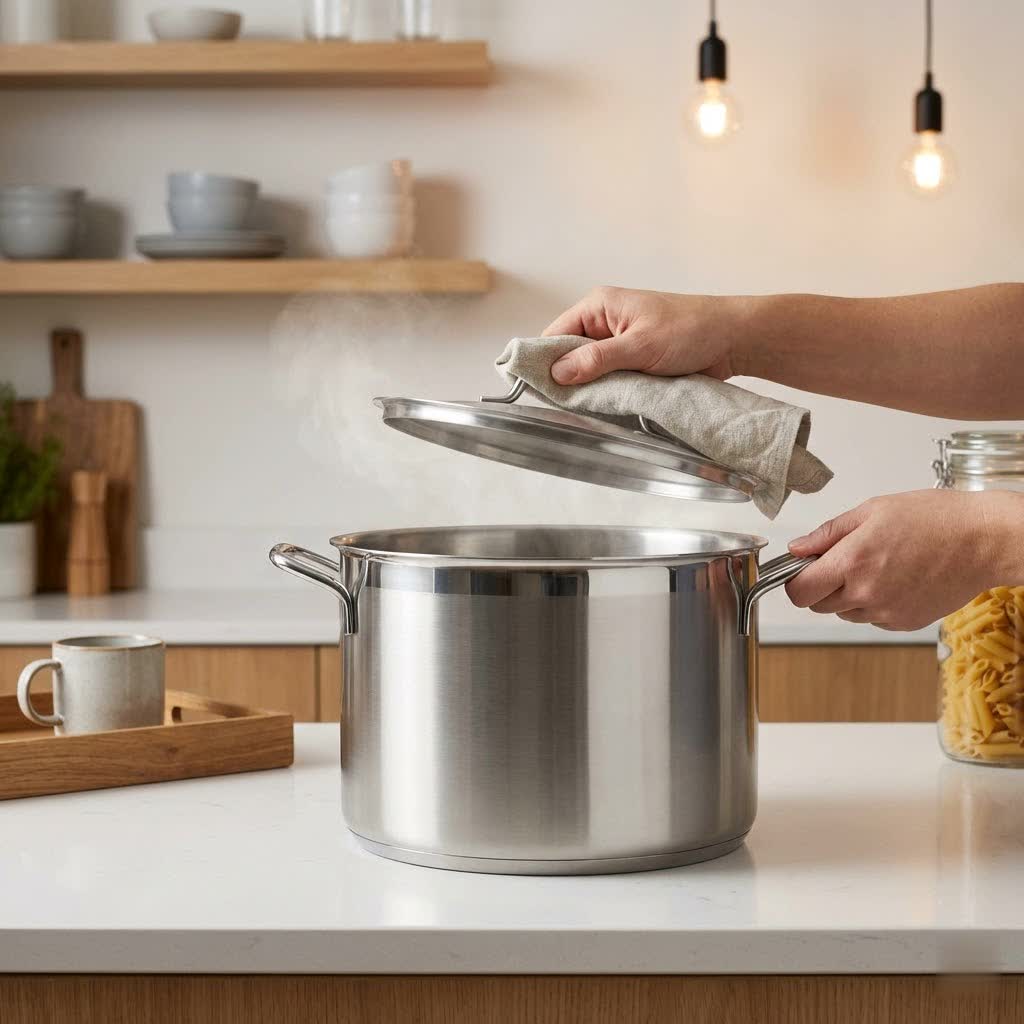
Choosing the right cookware can dramatically elevate your culinary experience, turning everyday meals into delightful creations. Amidst the vast array of options, stainless steel clad cookware stands out for its durability and performance. However, you might encounter terms like “3-ply” and “5-ply,” which can seem daunting. What do these layers mean for your cooking? This guide will demystify the differences between 3-ply and 5-ply cookware, helping you make an informed decision tailored to your kitchen needs and cooking style.
What Does “Ply” Mean in Cookware?
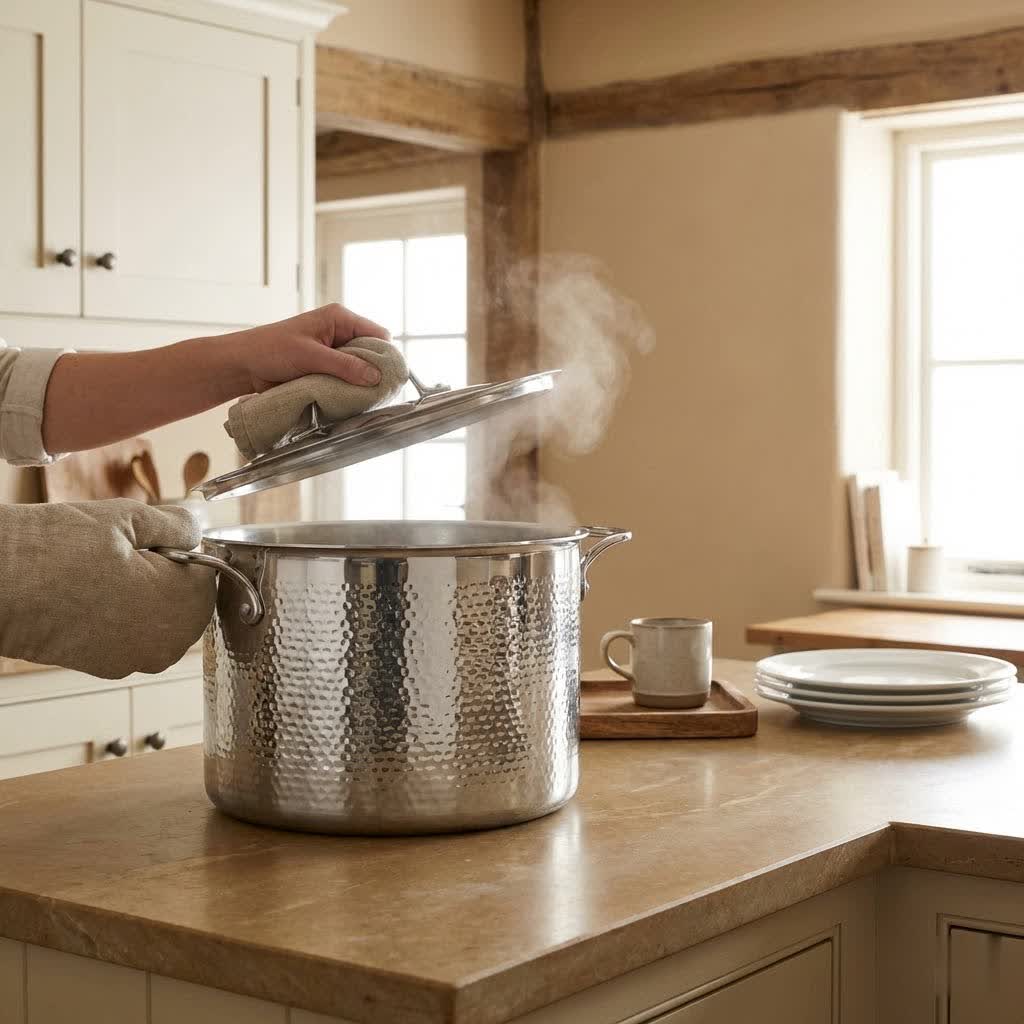
The term “ply” in cookware refers to the number of bonded metal layers that make up the construction of a pot or pan. This multi-layered approach, often called “cladding,” is crucial because no single metal possesses all the ideal properties for cooking. For instance, stainless steel is durable, non-reactive, and easy to clean, but it’s a poor conductor of heat. Conversely, aluminum and copper are excellent heat conductors but lack the strength and non-reactivity of stainless steel. By bonding these metals together, manufacturers create cookware that leverages the best attributes of each material.
Understanding 3-Ply Cookware
Three-ply, also commonly known as tri-ply, cookware features a construction of three distinct layers. Typically, this consists of an aluminum or copper core sandwiched between two layers of stainless steel. The inner layer, usually 18/10 stainless steel, provides a non-reactive cooking surface that won’t impart metallic flavors to your food. The outer layer, often 18/0 stainless steel, offers durability and makes the pan compatible with induction cooktops due to its magnetic properties. The central core, made from highly conductive aluminum or copper, is the workhorse, ensuring heat spreads efficiently across the cooking surface.
Advantages of 3-Ply Cookware
- Faster Heating: With fewer layers and a prominent conductive core, 3-ply cookware heats up relatively quickly and responds swiftly to temperature changes on the stovetop. This makes it ideal for dynamic cooking tasks where precise heat adjustments are needed.
- Lighter Weight: Generally lighter than its 5-ply counterpart, 3-ply cookware is easier to handle, lift, and maneuver, which can be a significant advantage for everyday cooking and cooks who prefer less hefty pots and pans.
- More Affordable: Due to fewer materials and a simpler manufacturing process, 3-ply cookware is typically more budget-friendly, offering excellent performance without a premium price tag.
- Good Heat Distribution: While not as dense as 5-ply, a well-made 3-ply pan provides good, even heat distribution, helping to prevent common hot spots that can lead to unevenly cooked food.
|
Our Picks for the Best Stainless steel pot set in 2026
As an Amazon Associate I earn from qualifying purchases.
|
||
| Num | Product | Action |
|---|---|---|
| 1 | Stainless Steel Cookware Set - 20 PCS Pots and Pans Set with 3-Ply Stainless Steel Frying Pan, Professional Kitchen Cooking Set, Induction Compatible, Oven & Dishwasher Safe |

|
| 2 | Cuisinart 7-Piece Stainless Steel Pots and Pans Set, Cookware Set Compatible with Induction, Electric, Gas Cooktops, Aluminum Core for Quick Even Heat, Cool Grip Handles, Dishwasher Safe, Oven Safe |
|
| 3 | Hunnycook Stainless Steel Cookware Set - 15 Pieces Pots and Pans Set, Includes 6 Pots and Pans, 6 Lids and 3 Utensils, Fixed Handles, Induction Safe and Dishwasher Safe |
|
| 4 | 3 Ply Stainless Steel 11-Piece Cookware Set with Lids, Pots and Pans Kitchen Set, Non-Toxic, Induction, Oven, Dishwasher Safe, Professional Chef Quality |
|
| 5 | Cook N Home Kitchen Cookware Sets, 12-Piece Basic Stainless Steel Pots and Pans, Silver |
|
| 6 | Cuisinart 17-Piece Stainless Steel Cookware Set, Chef's Classic Steel Collection with Pure Aluminum Core for Quick and Even Heat, Cool Grip Handles, Dishwasher Safe, 77-17N |
|
| 7 | MICHELANGELO Stainless Steel Saucepan Set with Lids 1QT & 2QT & 3QT, Stainless Steel Sauce Pot Set 6pcs, Induction Saucepans, Nonstick Sauce Pan Set, Dishwasher Safe |
|
| 8 | Mueller 17-Piece Stainless Steel Pots and Pans Set – Tri-Ply Ultra-Clad Pro Cookware Set, Induction Ready, Oven Safe, Even-Heat Aluminum Core, Includes Skillets, Saucepans, Dutch Oven, Stockpot |
|
| 9 | Cuisinart 12-Piece MultiClad Pro Triple Ply Stainless Stainless Steel Pots and Pans Set, Cookware Set Compatible with Induction, Electric, Gas Cooktops, Cool Grip Handles, Oven Safe to 500°F, Silver |
|
| 10 | Cuisinart Chef’s Classic 11-Piece Stainless Steel Pots and Pans Set, Cookware Set Compatible with Induction, Electric, Gas Cooktops, Aluminum Core for Even Heat, Cool Grip Handles, Dishwasher Safe |
|
Disadvantages of 3-Ply Cookware
- Potential for Hot Spots: In some lower-quality 3-ply pans, or when used for very high-heat applications, there can be a greater tendency for hot spots compared to 5-ply.
- Less Mass for Searing: For intense, high-heat searing in larger pans, 3-ply might offer slightly less consistent thermal mass than 5-ply, though it still performs admirably for most home cooking needs.
- Slightly Less Durability: While still very durable, the thinner overall construction can make it marginally more susceptible to warping under extreme temperature fluctuations or denting over a very long lifespan compared to thicker 5-ply options.
Delving into 5-Ply Cookware
Five-ply cookware takes the layered construction to the next level, incorporating five bonded layers of metal. The exact configuration can vary, but a common arrangement might involve alternating layers of stainless steel and aluminum (e.g., stainless/aluminum/stainless/aluminum/stainless) or even including a layer of copper for enhanced performance. The additional layers, particularly the extra aluminum or copper, contribute significantly to the cookware’s thermal properties and structural integrity.
Advantages of 5-Ply Cookware
- Superior Heat Distribution and Retention: The increased number and thickness of conductive layers in 5-ply cookware result in exceptionally even heat distribution across the entire cooking surface, virtually eliminating hot spots. This also means it retains heat more effectively, which is excellent for consistent simmering, braising, and achieving perfect browning.
- Enhanced Durability and Warp Resistance: The added mass and rigidity from the extra layers make 5-ply cookware incredibly durable and highly resistant to warping, even under frequent high-heat use. This contributes to its long lifespan and robust feel.
- Professional Performance: Many professional chefs and serious home cooks favor 5-ply cookware for its stability, precise temperature control, and ability to handle demanding culinary techniques like searing and delicate sauce work.
- Steady Cooking: While it may take a little longer to heat initially, 5-ply maintains a very steady temperature, providing a more controlled cooking environment, especially beneficial for recipes requiring sustained, even heat.
Disadvantages of 5-Ply Cookware
- Heavier: The additional layers of metal significantly increase the weight of 5-ply pans, making them heavier and potentially more cumbersome to lift, move, and clean for some users.
- More Expensive: The use of more raw materials and a more complex manufacturing process makes 5-ply cookware considerably more expensive than 3-ply options.
- Slower to Heat Up: While it retains heat exceptionally well, 5-ply cookware typically takes a bit longer to reach its desired temperature compared to its thinner 3-ply counterpart.
3-Ply vs. 5-Ply: A Side-by-Side Comparison
To clarify the practical differences, here’s a direct comparison of 3-ply and 5-ply cookware:
| Feature | 3-Ply Cookware | 5-Ply Cookware |
|---|---|---|
| Construction | Stainless Steel / Aluminum / Stainless Steel | Alternating Stainless Steel & Aluminum/Copper (5 layers) |
| Heat Distribution | Good, generally even, but can have minor hot spots | Superior, exceptionally even, minimal hot spots |
| Heat Retention | Moderate, heats quickly, responds fast | Excellent, holds heat longer and steadier |
| Durability & Warping | Durable, generally resistant, but less rigid | Extremely durable, highly warp-resistant |
| Weight | Lighter, easier to handle | Heavier, more substantial |
| Responsiveness | Highly responsive to temperature changes | Slower to heat, but maintains stable temperatures |
| Cost | More affordable | More expensive (premium investment) |
| Ideal Use | Everyday cooking, quick meals, general tasks | High-heat searing, slow cooking, delicate sauces, professional use |
Beyond Ply Count: What Truly Matters
While the number of plies provides a good initial indication, it’s crucial to understand that not all 3-ply or 5-ply cookware is created equal. The quality and thickness of the conductive core (aluminum or copper) within the layers are often more significant than the sheer number of layers. A well-constructed 3-ply pan with a thick, high-quality aluminum core can sometimes outperform a cheaply made 5-ply pan with thinner, less effective conductive layers. Always consider the overall manufacturing quality, brand reputation, and specific materials used, not just the ply count.
Choosing the Right Cookware for You
Deciding between 3-ply and 5-ply cookware ultimately boils down to your individual cooking habits, preferences, and budget.
- For the Everyday Home Cook: If you’re looking for versatile, reliable cookware for daily meals, quick preparations, and general cooking tasks, 3-ply stainless steel is an excellent choice. It offers a great balance of performance, durability, and affordability, proving to be a highly functional workhorse in most kitchens.
- For the Culinary Enthusiast or Professional: If you frequently engage in high-heat searing, intricate sauce-making, or slow-cooking dishes that demand precise temperature control and superior heat retention, 5-ply cookware is likely worth the investment. Its added mass and exceptional performance provide a noticeable difference for demanding culinary applications.
Remember, the best cookware is the one you enjoy using and that consistently delivers the results you desire.
“The true value of multi-ply cookware isn’t just in the layer count, but in how those layers work together to provide consistent, even heat. A quality core material, regardless of whether it’s 3 or 5 layers, is paramount for optimal cooking performance.” – Chef Antoine Dubois, Culinary Instructor & Cookware Expert
Conclusion
Both 3-ply and 5-ply stainless steel cookware offer significant advantages over single-ply options, delivering enhanced heat distribution and durability. Three-ply cookware is the agile, affordable, and responsive choice, perfect for daily cooking, while 5-ply provides unmatched heat retention, stability, and professional-grade resilience for more specialized culinary tasks. Your decision should align with your specific cooking needs, budget, and desired feel in the kitchen. Consider how often you cook, the types of dishes you prepare, and your comfort with heavier cookware. By understanding these distinctions, you can confidently select the clad stainless steel cookware that will serve you best for years to come.
What’s the most important factor for you when choosing new cookware: budget, weight, or cooking performance?
Frequently Asked Questions
Is 5-ply cookware always better than 3-ply?
Not necessarily. While 5-ply often offers superior heat distribution and durability due to more layers, the quality and thickness of the conductive metals (aluminum or copper) within the layers are more critical than the sheer ply count. A high-quality 3-ply pan can outperform a low-quality 5-ply pan.
Can both 3-ply and 5-ply cookware be used on induction cooktops?
Yes, most 3-ply and 5-ply stainless steel cookware is induction compatible. This is because the outer layer typically contains magnetic stainless steel, which is necessary for induction cooktops to function. Always check the manufacturer’s specifications to confirm.
How long does stainless steel clad cookware typically last?
With proper care, both 3-ply and 5-ply stainless steel cookware are built to last a long time. Three-ply cookware can last 10-20 years, while the more robust 5-ply options can often last for decades, making them a long-term investment.
Does more ply mean faster cooking?
Not directly. Three-ply cookware generally heats up faster and is more responsive to temperature changes. Five-ply cookware, while taking slightly longer to heat initially, excels at retaining heat and distributing it more evenly, leading to consistent cooking results rather than faster ones.