Choosing the right cookware is a critical decision for any home chef, not just for culinary performance but also for your family’s health and well-being. The kitchen, often considered the heart of the home, is where countless meals are prepared, making the materials that touch our food of paramount importance. Among the myriad options available, stainless steel and non-stick stand out as two of the most popular choices, each boasting distinct characteristics. But when it comes to health, which one truly holds the advantage? This article will delve into the science and practicalities of both, helping you navigate their benefits and potential drawbacks to make an informed decision for a healthier kitchen.
Why Your Cookware Choice Matters for Health
The materials your pots and pans are made from can have a direct impact on the food you eat. From potential chemical leaching to reactions with acidic ingredients, the surface your meal cooks on is more than just a vessel; it’s an integral part of the cooking process. Understanding the health profiles of stainless steel and non-stick cookware is essential for ensuring that your culinary creations remain both delicious and safe.
Understanding Stainless Steel Cookware
Stainless steel has long been a kitchen staple, revered for its robust nature and professional appearance. Beyond its aesthetic appeal, this type of cookware offers significant health benefits that contribute to its enduring popularity.
The Benefits of Stainless Steel for Your Health
|
Our Picks for the Best Stainless steel pot set in 2026
As an Amazon Associate I earn from qualifying purchases.
|
||
| Num | Product | Action |
|---|---|---|
| 1 | MICHELANGELO Stainless Steel Saucepan Set with Lids 1QT & 2QT & 3QT, Stainless Steel Sauce Pot Set 6pcs, Induction Saucepans, Nonstick Sauce Pan Set, Dishwasher Safe |

|
| 2 | Cuisinart 12-Piece MultiClad Pro Triple Ply Stainless Stainless Steel Pots and Pans Set, Cookware Set Compatible with Induction, Electric, Gas Cooktops, Cool Grip Handles, Oven Safe to 500°F, Silver |
|
| 3 | 3 Ply Stainless Steel 11-Piece Cookware Set with Lids, Pots and Pans Kitchen Set, Non-Toxic, Induction, Oven, Dishwasher Safe, Professional Chef Quality |
|
| 4 | Hunnycook Stainless Steel Cookware Set - 15 Pieces Pots and Pans Set, Includes 6 Pots and Pans, 6 Lids and 3 Utensils, Fixed Handles, Induction Safe and Dishwasher Safe |
|
| 5 | Cuisinart Chef’s Classic 11-Piece Stainless Steel Pots and Pans Set, Cookware Set Compatible with Induction, Electric, Gas Cooktops, Aluminum Core for Even Heat, Cool Grip Handles, Dishwasher Safe |
|
| 6 | Cuisinart 17-Piece Stainless Steel Cookware Set, Chef's Classic Steel Collection with Pure Aluminum Core for Quick and Even Heat, Cool Grip Handles, Dishwasher Safe, 77-17N |
|
| 7 | Cuisinart 7-Piece Stainless Steel Pots and Pans Set, Cookware Set Compatible with Induction, Electric, Gas Cooktops, Aluminum Core for Quick Even Heat, Cool Grip Handles, Dishwasher Safe, Oven Safe |
|
| 8 | Mueller 17-Piece Stainless Steel Pots and Pans Set – Tri-Ply Ultra-Clad Pro Cookware Set, Induction Ready, Oven Safe, Even-Heat Aluminum Core, Includes Skillets, Saucepans, Dutch Oven, Stockpot |
|
| 9 | Stainless Steel Cookware Set - 20 PCS Pots and Pans Set with 3-Ply Stainless Steel Frying Pan, Professional Kitchen Cooking Set, Induction Compatible, Oven & Dishwasher Safe |
|
| 10 | Cook N Home Kitchen Cookware Sets, 12-Piece Basic Stainless Steel Pots and Pans, Silver |
|
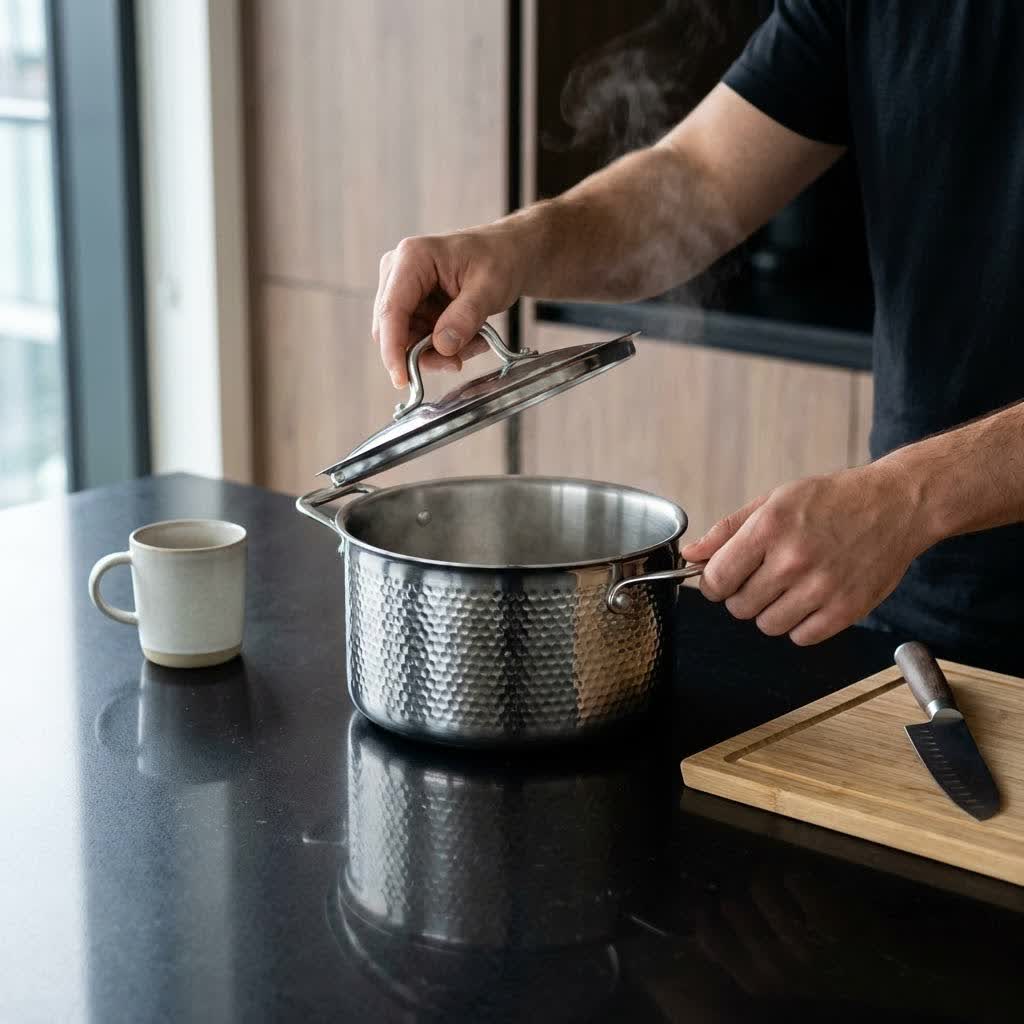
Stainless steel is widely celebrated as an exceptionally healthy option for cooking. Its primary advantage lies in its inert nature; it is a non-reactive material that does not leach chemicals into your food during cooking. This means that even when preparing highly acidic or alkaline dishes, stainless steel remains stable, preserving the natural flavors and nutritional integrity of your ingredients. Furthermore, stainless steel boasts exceptional durability and longevity, capable of withstanding decades of daily use without compromising its structural or health-related benefits. It can handle high temperatures, making it ideal for searing, browning, and achieving that perfect Maillard reaction on meats and vegetables, which contributes to rich flavors without health concerns related to extreme heat.
Potential Considerations with Stainless Steel
While generally considered safe, there are minor considerations when using stainless steel cookware. Some stainless steel alloys contain nickel, which can be a concern for individuals with severe nickel allergies. Although the amount of nickel leached into food is typically minimal, those highly sensitive may wish to opt for nickel-free stainless steel varieties (such as 430 grade) or other materials. Additionally, stainless steel requires more cooking oil or fat compared to non-stick surfaces, and food can stick if not properly managed, potentially leading to more rigorous cleanup.
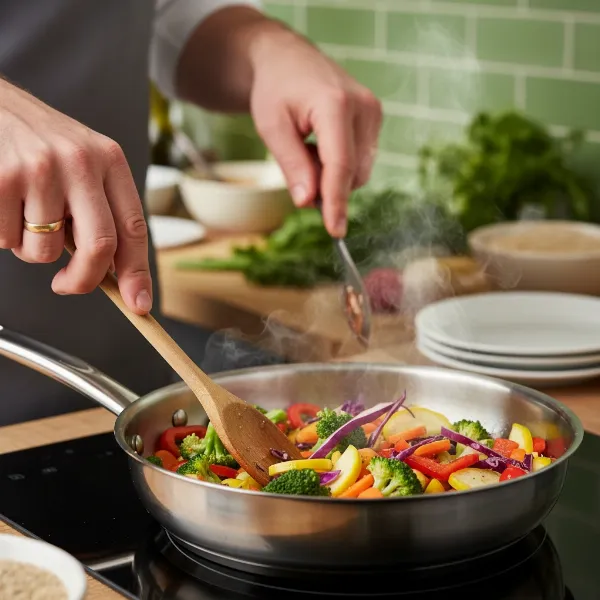 A close-up of a chef cooking vegetables in a shiny stainless steel pan, emphasizing healthy and safe cooking without chemical leaching.
Demystifying Non-Stick Cookware
Non-stick cookware revolutionized home cooking with its promise of easy food release and minimal cleanup. Modern advancements have also addressed many of the health concerns associated with earlier generations of these pans.
The Health Advantages of Modern Non-Stick
One of the significant health advantages of modern non-stick cookware is the elimination of PFOA (perfluorooctanoic acid) from its manufacturing process. Since 2013, major chemical manufacturers have phased out PFOA, meaning that contemporary non-stick pans are PFOA-free. This has largely alleviated concerns about this particular chemical ending up in finished cookware or leaching into food. Furthermore, non-stick surfaces require significantly less oil or butter, which can be a boon for health-conscious cooks looking to reduce fat intake. The effortless food release also makes cooking delicate items like eggs and fish much simpler, contributing to a more enjoyable and less stressful cooking experience.
Addressing Non-Stick Cookware Concerns
Despite these advancements, non-stick cookware still presents certain considerations, primarily related to its coating. The most common non-stick coating, PTFE (polytetrafluoroethylene), often known by the brand name Teflon, is considered safe for cooking under normal temperatures. However, when overheated—typically above 500°F (260°C)—PTFE can break down and release fumes that may cause flu-like symptoms in humans and can be fatal to birds. It is crucial to never heat an empty non-stick pan on a burner and to keep cooking temperatures at medium or low to prevent overheating. Additionally, non-stick coatings are prone to wear and tear; scratches, chips, or flakes can occur with metal utensils or abrasive cleaning. While ingesting small, inert flakes is generally not considered harmful, a chipped pan indicates compromised performance and should ideally be replaced.
Stainless Steel vs. Non-Stick: A Health-Focused Comparison
| Feature | Stainless Steel | Non-Stick (Modern, PFOA-Free) |
|---|---|---|
| Chemical Leaching | Minimal to none; inert material. | PFOA-free; PTFE safe at normal temperatures. |
| Heat Tolerance | Excellent; suitable for high-heat searing. | Good; avoid overheating above 500°F (260°C). |
| Durability | Very high; resistant to scratches and warping. | Moderate; coatings can scratch or chip. |
| Oil Usage | Requires more oil to prevent sticking. | Requires less oil due to slick surface. |
| Best For | Searing, browning, deglazing, high-heat cooking. | Delicate foods (eggs, fish), low-fat cooking. |
| Cleanup | Can require scrubbing for stuck-on food. | Very easy; food slides off. |
| Allergy Concerns | Potential nickel sensitivity for some individuals. | Generally none, unless fumes from overheating. |
Expert Tips for Healthy Cookware Use
The healthiest kitchen often isn’t defined by a single type of cookware but by a well-chosen collection that serves various needs. Many culinary experts recommend having both stainless steel and non-stick pans. Use non-stick for delicate items like pancakes and eggs where minimal oil and easy release are key. Reserve your stainless steel for tasks requiring high heat, such as searing meats or caramelizing vegetables, where the development of rich flavors (fond) is desired.
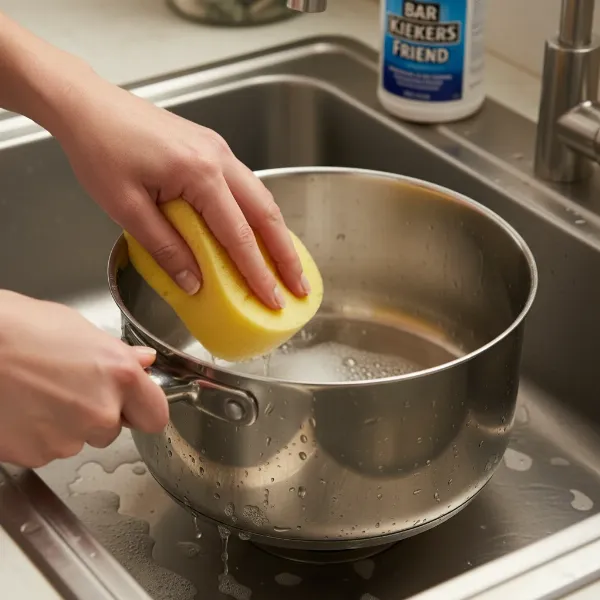
Proper care is paramount for extending the life and maintaining the safety of your cookware. For non-stick pans, always use wooden, silicone, or plastic utensils to prevent scratching the coating. Hand washing with mild soap and a soft sponge is also recommended. For stainless steel, while more robust, avoid harsh abrasive scrubbers that can dull the finish over time. Always allow pans to cool before washing, and consider using a gentle cleanser for baked-on food.
> “The secret to a healthy kitchen isn’t allegiance to one pan, but understanding when to reach for the right tool. Both stainless steel and modern non-stick have a vital role to play in preparing nutritious and delicious meals.” – Chef Isabella Rossi, Culinary Health Advocate
Replace non-stick pans promptly if the coating begins to significantly chip, flake, or lose its non-stick properties, as this indicates the surface is degraded and less effective. With stainless steel, a well-maintained pan can last a lifetime, often becoming a cherished kitchen heirloom.
Conclusion
When weighing stainless steel against non-stick for health, it’s clear that both offer safe and effective solutions for the modern kitchen, provided they are used and maintained correctly. Stainless steel shines with its inertness, durability, and versatility for high-heat cooking, making it a reliable choice for long-term health and performance. Modern non-stick cookware, free from PFOA and used under recommended temperature guidelines, provides an excellent option for low-fat cooking and effortless food release. Ultimately, the healthier choice often lies in how you use your pans and the diversity of your cooking needs. By understanding the unique properties of each, you can build a cookware collection that supports your health goals and culinary adventures. What combination of cookware will empower your healthiest cooking journey?
Frequently Asked Questions
Is scratched non-stick cookware dangerous?
While ingesting small, inert flakes from a scratched non-stick pan is generally not considered dangerous, a compromised coating means the pan will lose its non-stick properties and may perform poorly. It is advisable to replace non-stick pans that are significantly scratched or flaking.
What temperature is safe for non-stick pans?
Most modern non-stick pans are safe for cooking at low to medium temperatures, typically below 500°F (260°C). Exceeding this temperature can cause the non-stick coating (PTFE) to break down and potentially release fumes, so always avoid heating an empty non-stick pan on high heat.
Can I use metal utensils on stainless steel?
Yes, stainless steel cookware is highly durable and generally safe for use with metal utensils without fear of scratching the cooking surface or damaging the pan’s integrity. This is a key advantage over non-stick options.
Which is better for high-heat cooking?
Stainless steel is superior for high-heat cooking, searing, and browning. Its ability to withstand high temperatures without degradation or chemical release makes it the preferred choice for achieving a crispy crust or developing rich flavors through the Maillard reaction.